[Editorial] Nuclear plants: Expedite continued-operation reviews and extend post-restart operating periods
- Input
- 2026-10-28 18:40:11
- Updated
- 2026-10-28 18:40:11
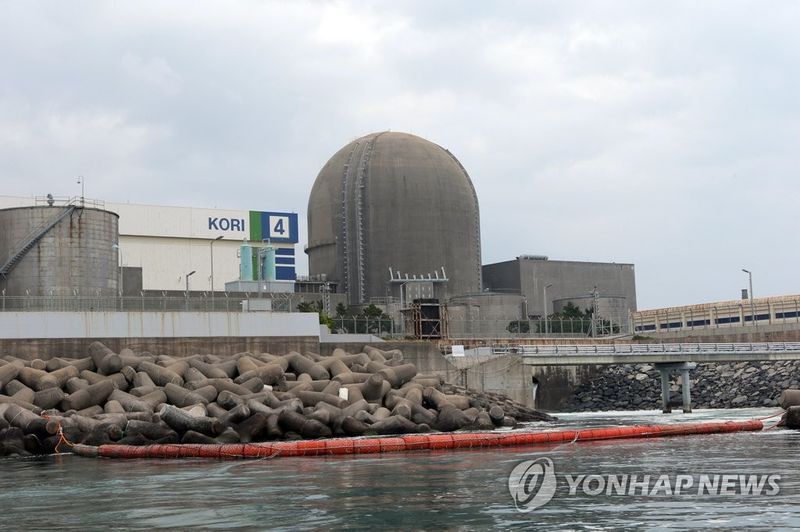
Nuclear power plants, highly cost-effective power-generation facilities, were hit hard by the Moon Jae-in administration’s abrupt policy of phasing out nuclear power. Not only was nuclear plant construction halted, but Kori Nuclear Power Plant Unit 1, the country’s first commercial nuclear power plant, was permanently shut down on the grounds that its design life had ended and is now awaiting decommissioning. Unit 1 also received permission to continue operating, but was closed by a decision of the Moon administration.
The damage the nuclear phaseout policy has inflicted on the national economy is truly immense. Given the cost and time required to build a single nuclear power plant, the losses from shutting one down on the grounds that its design life has ended are impossible even to estimate. A design life is the minimum period for which a plant’s safety is guaranteed. Its expiration does not mean the plant can no longer be used or has become dangerous. If its safety is confirmed, it can operate for longer.
Although permission for continued operation has been granted, safety reviews of the two plants took far too long. Some estimates put the opportunity costs incurred during that period in the 2 trillion won range. The two plants approved for continued operation will reach the end of their service lives again in 8–9 years. Other plants will soon enter the review process one after another, so the reviews should be shortened to reduce opportunity costs. The continued-operation period should also be extended from 10 years to 20 years or more, as in the United States and other countries. The U.S. Nuclear Regulatory Commission (NRC) approved a proposal to further extend the service lives of some plants from 60 years to 80 years.
The Lee Jae-myung administration has made both nuclear power and renewable energy core sources of electricity generation. It is at least a relief that it is not insisting on phasing out nuclear power. But the shadow of the phaseout has not completely lifted. One example is the launch of a public deliberation committee to discuss the role and share of nuclear power in the 12th Basic Plan for Electricity Supply and Demand.
Conflicting views between ministries, which have caused confusion over nuclear policy, are also a problem. The Ministry of Trade, Industry and Energy supports nuclear power, but the Ministry of Climate, Energy and Environment does not. The problem began when energy policy was transferred to the ministry responsible for climate and the environment. As AI comes into widespread use and data centers begin operating, electricity demand will surge. But Climate Minister Kim Seong-hwan said at a recent parliamentary audit, “Demand from AI data centers is not as high as expected. It is difficult to include all this speculative demand in the 12th Basic Plan.”
The government’s ambiguous stance on nuclear power is likely to delay plant construction and continued-operation reviews. National energy policy should not be dictated by the wishes of a single ministry and minister. Renewable energy should be expanded, but it would be wrong to reduce nuclear power’s share or pursue a passive policy toward it. The country must clearly establish the direction and course of its energy policy and follow them.