Presiding Judge Koo Hoe-geun, who acquitted Oh Se-hoon, was reported to the Serious Crime Investigation Agency over alleged distortion of law
- Input
- 2026-10-28 17:36:01
- Updated
- 2026-10-28 17:36:01
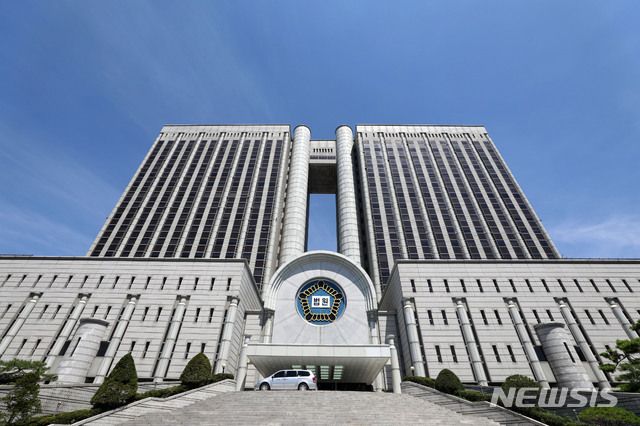
[Financial News] The presiding judge who acquitted Seoul Mayor Oh Se-hoon in the appeals trial over his violation of the Political Funds Act has been reported to the Serious Crime Investigation Agency on suspicion of distortion of law.
According to legal circles on the 28th, attorney Kyung-ho Kim of Hoin Law Firm said on his Facebook page the previous day that he had reported Koo Hoe-geun, Presiding Judge of Criminal Division 7 at Seoul High Court and the presiding judge in Mayor Oh’s appeals trial, to the Serious Crime Investigation Agency on suspicion of the crime of distortion of law under the Criminal Act. The complaint was filed through e-People on the 27th.
Kim argued that Judge Koo “knew the law that should have been applied in the appeals trial of Oh Se-hoon’s Political Funds Act case but did not apply it.”
The issue is the requirements for recognizing a “contribution” under the Political Funds Act. Kim argued that under Article 3, Subparagraph 2 of the Political Funds Act and Supreme Court of Korea precedents, a third party’s payment of costs for a politician’s political activities on the politician’s behalf constitutes a contribution.
However, Kim took issue with the appeals panel’s finding that a contribution could be recognized only if Mayor Oh was obligated to pay the costs and a third party paid them on his behalf at his request. Kim argued that the panel added the requirements of “debt” and “request,” which are not found in the law.
He also pointed to problems with the assessment of evidence. Although the appeals ruling listed evidence accepted by the first-instance court, it said in another section that “there is no evidence at all”; it also rejected some defendants’ arguments in one part and accepted them in another, he said.
He also argued that while overturning the first-instance ruling on grounds of “misapprehension of the law,” the panel did not adequately explain which legal principles it had misapplied.
Kim emphasized, “The complaint does not challenge the conclusion; it asks about conduct that can be confirmed from the wording of the ruling,” adding, “Intent should be established through an investigation.”
Meanwhile, the crime of distortion of law is a provision that punishes judges and others for intentionally distorting the law during a trial. Under the Serious Crimes Investigation Agency Act, it is among the offenses subject to direct investigation by the agency.
[email protected] Choi Eun-sol Reporter