"Compensation for losses under the oil price cap hinges on calculating actual costs and normal margins"
- Input
- 2026-10-30 08:18:34
- Updated
- 2026-10-30 08:18:34
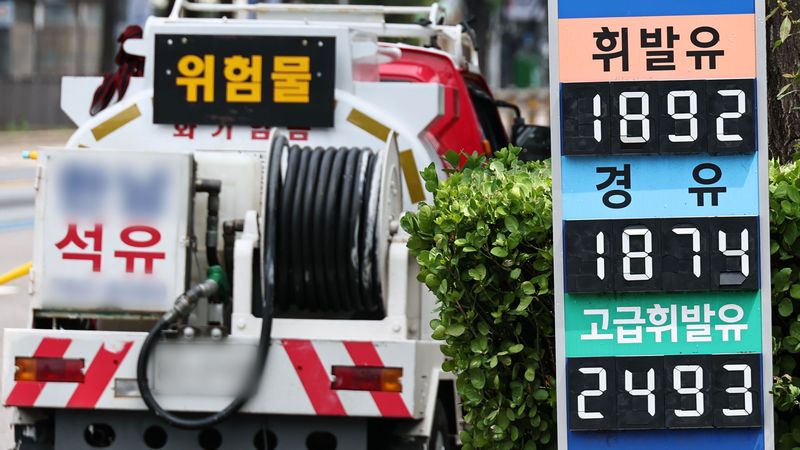
[Financial News] With the oil price cap in place for an extended period, a government-funded research institute has recommended developing a detailed loss-settlement framework that reflects refiners’ actual procurement costs and normal margins. The proposal is to spread the price shock by reflecting some of the increase in global oil prices in domestic supply prices, and to decide whether to adjust the system by taking into account the burden of compensating refiners for losses and domestic supply-and-demand conditions.
According to industry sources on the 30th, the Korea Institute for Industrial Economics & Trade (KIET) proposed in a related report that losses be settled based on refiners’ actual crude oil import prices, transportation costs, refining costs and normal margins. Even if global oil prices rise, refiners may be unable to fully pass the increase in costs on to selling prices if the cap on domestic supply prices remains in place.
The institute noted in particular that actual procurement costs, freight and insurance expenses, and inventory valuations should be checked during the settlement process to verify the additional burden resulting from price controls. It said that both loss-compensation payments made by the government and unsettled amounts should be monitored. This is because delays in settlement could lead to financing costs and cash-flow pressures for refiners.
Government rules provide for the costs of importing crude oil, transportation and insurance expenses, among other factors, to be included in calculating loss-compensation payments, and allow for an appropriate level of margin to be considered. The specific amount of compensation is determined after verification of relevant data and deliberation by the Maximum Price Settlement Committee, among other steps.
The need to improve how the price cap is operated was also raised. One proposal is to keep the current regulation of refiners’ supply prices while applying a 'banded cap' that reflects some of the increase in global oil prices in domestic prices. For example, if global oil prices rise by 10%, only 3–5% would be reflected in domestic prices to spread the shock.
The institute also proposed specific indicators for determining whether to normalize the system. These include global prices for petroleum products, the won-dollar exchange rate and domestic inventories, as well as the gap between the current cap and the projected supply price in the absence of regulation. It said this would make it possible to assess both the additional consumer benefits of price controls and the cost burden on refiners.
The institute also stressed the need to disclose pricing, supply and fiscal information and to explain in advance the criteria for adjusting the system and the review process. It recommended adjusting or ending the controls once global prices and supply and demand stabilize, while announcing a path to normalization that takes into account inventory turnover and the lag before changes are reflected in retail prices.
Even among refiners, which are cooperating with the implementation of the price cap, there are calls for predictability around loss-compensation criteria and settlement timing. An industry official said, "The key is how much to factor actual procurement costs and global petroleum product prices into the loss calculation," adding, "The scope of loss compensation should be clarified, and whether to adjust the price cap in light of global oil prices and domestic supply-and-demand conditions should be considered."
[email protected] Kim Mi-hee Reporter