Cancer is cured, but the hair loss remains... The reality of ‘persistent hair loss’ that’s easy to overlook [Lee Seon-min’s Hair Reboot]
- Input
- 2026-10-28 16:20:36
- Updated
- 2026-10-28 16:20:36
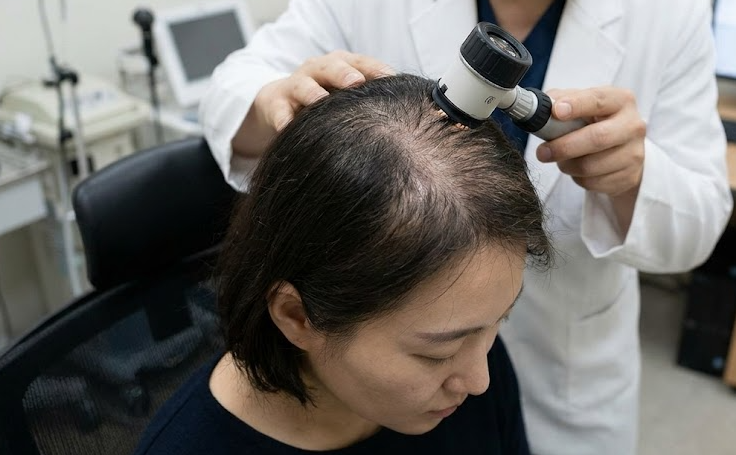
[Financial News] “It’s been over a year since I finished chemotherapy, but the crown of my head still looks bare.” Most chemotherapy-related hair loss resolves within a few months after treatment ends, but some people do not recover as much as expected. This problem, which follows the relief of having completed cancer treatment, affects more cancer survivors than one might think. Yet it is easy to leave untreated because people may not know where to seek advice. Oncology departments prioritize cancer treatment, while general hair-loss clinics may not adequately take a patient’s cancer treatment history into account.
Everyone says they’ve recovered, but I’m still the same... Why is recovery from chemotherapy-related hair loss taking so long?
There are three possible reasons why recovery from chemotherapy-related hair loss may be slow. The first is persistent chemotherapy-induced hair loss. If hair follicle stem cells are damaged, hair may become less dense, or only thin, short strands may remain. The second is continuing hormone therapy after chemotherapy. Tamoxifen and aromatase inhibitors used to treat breast cancer can cause a pattern similar to female-pattern hair loss, with thinning at the crown and front of the scalp. Since these medications are taken for years, their effects can also last a long time. The third is that an existing predisposition to male- or female-pattern hair loss becomes apparent after treatment.
The situation is different for people who have had radiation therapy to the head. Radiation-induced hair loss occurs only in the area exposed to radiation, and the higher the dose received, the greater the likelihood of permanent damage to hair follicles. In other words, the chances of recovery can differ completely depending on the cause, even when the hair loss occurs after cancer treatment.
Recovery from chemotherapy-related hair loss requires a different approach from ordinary hair-loss treatment
Chemotherapy-related hair loss should be approached differently from ordinary hair loss, because the approach depends on the cause. Hair density and thickness are measured using magnified images, and the pattern of hair loss and the condition of the hair are assessed. Other factors that can hinder recovery, such as thyroid dysfunction or iron deficiency, are also checked. Above all, it is important to know the type of cancer, which chemotherapy drugs and radiation treatments the patient received, and which hormone therapy medications they are currently taking. Bringing treatment records to the consultation can help.
In some cases, ordinary hair-loss treatments should not simply be applied as they are. Patients with hormone receptor-positive breast cancer should be cautious about medications that act on hormones, and consultation with their treating oncologist is essential. By contrast, treatments that promote hair growth independently of hormones, such as Minoxidil, have been reported to improve persistent chemotherapy-induced hair loss and hair loss related to hormone therapy. Other supportive treatments may also be used depending on the condition of the scalp, but patients should know before starting that responses vary widely and that it takes at least several months to assess the effects.
Everyday care is also part of treatment. Eat well to ensure you get enough nutrients needed for hair, including protein, iron, and zinc, and avoid habits that involve scratching or irritating the scalp forcefully. Rather than relying on expensive products with unclear evidence or folk remedies, it is more likely to save time and money to identify the cause and then gradually begin evidence-based treatment.
Even waiting has a time limit... How many months after chemotherapy should treatment begin?
Chemotherapy-related hair loss continues for a certain period after chemotherapy ends. So hair does not start growing back immediately just because chemotherapy is over.
However, it is a good idea to get an assessment if there is no clear recovery six months after chemotherapy ends, or if the hair becomes noticeably thinner during hormone therapy. Starting while hair follicles are still present can improve the outcome. The everyday life people want to reclaim after beating cancer also includes seeing a familiar face in the mirror.

[email protected] Kim Hyeon-seon Reporter