Israeli Election Ends Without a Majority: What Lies Ahead for Netanyahu?
- Input
- 2026-10-28 16:08:22
- Updated
- 2026-10-28 16:08:22
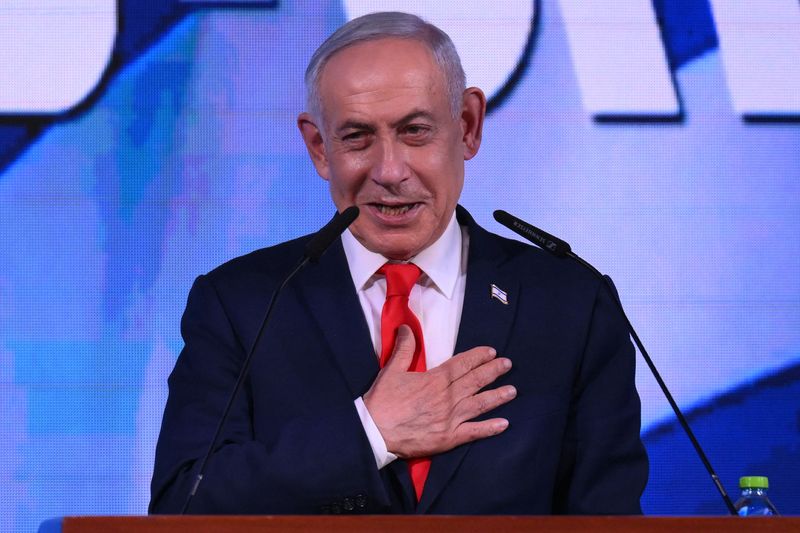
[Financial News] Israel’s election ended without a clear winner, bringing the “uneasy coexistence” of the Netanyahu and anti-Netanyahu blocs closer to reality. The fate of Prime Minister Benjamin Netanyahu, who hopes to serve an eighth term, depends on power-sharing negotiations over the next six weeks.
According to the Times of Israel (TOI), the bloc aligned with Netanyahu had secured 55 of the Knesset’s 120 seats in the previous day’s election, with 57.3% of the vote counted as of the 28th (local time), but had fallen short of a majority (61 seats). Specifically, the Likud party, led by Netanyahu himself, won 27 seats, while the far-right Otzma Yehudit party, also part of the bloc, won six.
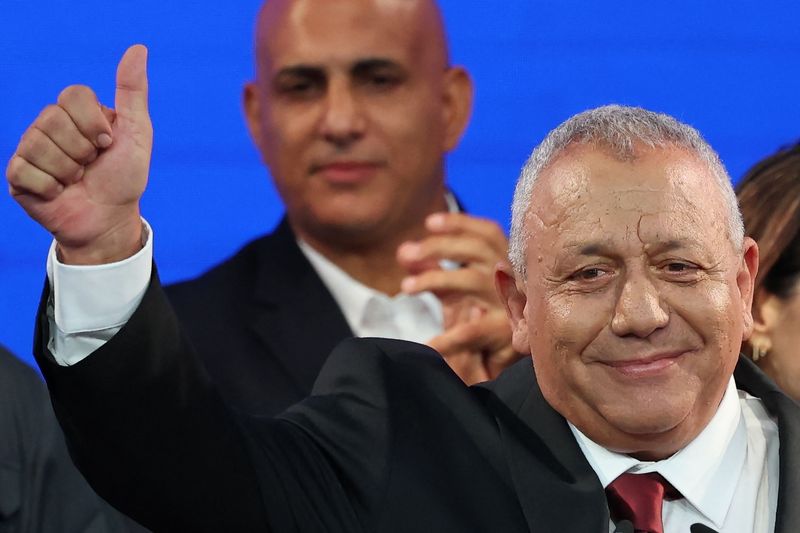
Parties opposed to Netanyahu secured a total of 49 seats. The Yashar party, which leads the opposition bloc, won 21. Its leader, Gadi Eisenkot, was seen as Netanyahu’s main rival in this election. Beyahad, a centrist party, and the right-wing Yisrael Beiteinu party, both part of the anti-Netanyahu bloc alongside Yashar, won 11 and eight seats, respectively. Among the Arab parties that belong to neither bloc, the Joint List and Ra’am won 12 and four seats, respectively.
Israel’s Central Elections Committee said turnout in the election was 77.7%, the highest since 1999. Official results will be released on the 4th of next month.
Israel elects all 120 members of its parliament by proportional representation, with the entire country serving as a single constituency. Parties that receive more than 3.25% of the vote are awarded at least four seats. In Israel’s parliamentary system, a prime minister-designate appointed by the president must submit a proposed government to parliament, including their own position and the other ministerial posts. The nominee can take office only if a majority of lawmakers approve the proposal in a vote of confidence. The president typically appoints the leader of the party receiving the most recommendations from parliamentary parties as prime minister-designate, giving them 28 days—with a possible 14-day extension—to form a government. If both sides fail to form a government, an “alternative government” outside the coalition could be formed. In the worst-case scenario, another election could be held next year, with Netanyahu remaining as caretaker prime minister until then.
Netanyahu, who has served a total of 19 years as prime minister, said in a speech on the 28th, “We must form a strong right-wing nationalist government,” and added, “A majority of Jews and Jewish nationalists (Zionists) must unite.” He also ruled out a government backed by Arab parties, saying, “There can be no government that relies on their support.” He did not declare victory in the election, but predicted that Likud would rank first among individual parties by seats.
U.S. President Donald Trump, speaking aboard his private plane on the 28th, referred to Netanyahu and said, “I think my endorsement was a great help to him.” On the 18th, he had voiced his support for Netanyahu on the social media platform Truth Social, calling him “a great warrior and a great partner in fighting Iran.”
Meanwhile, Yashar leader Eisenkot, speaking in Tel Aviv on the 28th and referring to Netanyahu, said, “The people voted for change,” adding, “A proper leader would accept that the public has no confidence in him and announce his retirement from politics today.” He warned Netanyahu over his suggestion of an attack on Iran shortly before election day: “Do not dare to use Israel’s security for your political needs.”
[email protected] Park Jong-won Reporter