“Tea picnics instead of coffee”... Tea craze among people in their 20s and 30s stirs up 450 billion won market
- Input
- 2026-10-29 08:53:26
- Updated
- 2026-10-29 08:53:26
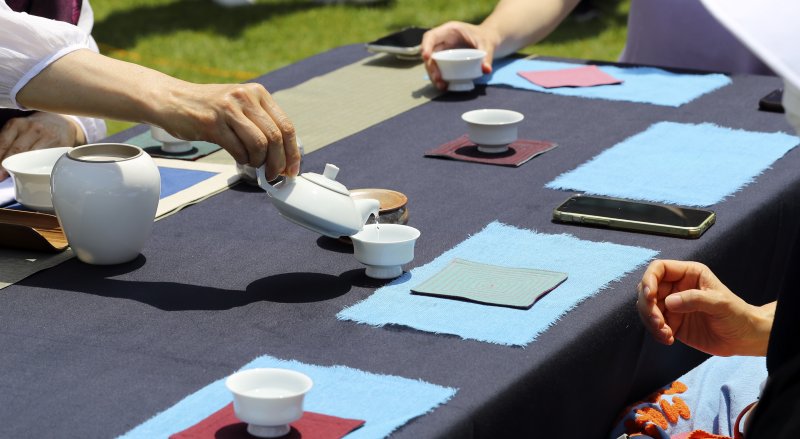
[Financial News] Tea culture, once practiced formally in quiet tea rooms, is evolving into the so-called “tea-nic” (tea + picnic), enjoyed casually outdoors in places such as parks and along rivers. At the same time, as the “healthy pleasure” trend of managing one’s health enjoyably gains momentum, more young people are choosing tea over high-caffeine coffee, driving rapid growth in the domestic tea market.
The Korea International Trade Association said on the 29th that domestic tea imports through the third quarter of this year—green, black and herbal tea combined—totaled 20,225 tonnes, up 190 tonnes from 20,035 tonnes in the same period last year. The domestic market is also expanding rapidly as more consumers seek out tea. According to market research firm Euromonitor, the domestic tea market grew to 457 billion won last year, up 44 billion won (10.7%) from 413 billion won the year before. Euromonitor forecast that the market would continue to grow at an average annual rate of at least 8%, reaching 678 billion won by 2030.
Fueled by the tea boom, major cafes and tea-specialty brands are also posting strong results. Starbucks Korea sold 8% more tea beverages last year than the year before, with purchases by customers in their 20s surging by at least 20% and leading the growth. Premium tea brand Osulloc also saw its revenue jump 18% year over year to 110.8 billion won last year. Its strategy of turning the experience of brewing and savoring tea into a product, rather than simply selling beverages, has paid off. Starbucks currently operates Teavana specialty stores, while Osulloc has won a positive response with tea classes where visitors can enjoy tea and traditional sweets together at venues including Bukchon in Seoul and the Jeju Tea Museum.
Global tea brands that have recognized the potential of the domestic market are also entering Korea one after another. Singaporean luxury tea brand TWG Tea has opened stores in key commercial districts, including Gwanghwamun and Apgujeong in Seoul and Lotte World Tower in Jamsil, promoting premium tea culture. Popular Chinese milk tea and tea franchise chains such as Cha Baidao, Heytea and Chaji are also rushing to enter the Korean market and working hard to win over consumers.
In the past, tea was widely seen as a drink consumed according to complex etiquette in tea rooms or traditional experience centers. With barriers to entry ranging from how to use tea ware to the different kinds of tea leaves, tea lost ground to popular coffee for a time around the COVID-19 pandemic. But as health-consciousness has grown and demand for decaffeinated options for reducing caffeine intake has risen, tea has once again drawn attention as an alternative. In particular, the “tea-nic” culture of bringing attractive tea sets on outings and brewing tea outdoors instead of drinking alcohol or coffee has taken off among people in their 20s and 30s, spreading through social media (SNS).
Oh, an office worker in their 30s in Seoul, said, “I drink tea instead of coffee in the afternoon to cut down on caffeine. Even when I go on a picnic in the park on weekends, I look for something healthy and atmospheric to enjoy instead of alcohol, so I naturally came to embrace tea culture.”
Tea has thus become an everyday hobby for young people, rather than a one-off experience. According to Karrot, a local community platform, the number of groups created around “tea gatherings” (meet-ups to drink tea together) from January through mid-October this year surged by 64% compared with the same period last year.
A food and beverage industry official said, “It’s true that the tea market contracted in the past under pressure from coffee. More recently, as a consumer culture of enjoying leisure and relaxation in one’s free time without the burden of caffeine has spread, tea is being embraced as a new lifestyle among people in their 20s and 30s.”
[email protected] Park Kyung-ho Reporter