Debate over granting nature legal rights ... Jeju to host first international ecology forum
- Input
- 2026-10-28 14:23:43
- Updated
- 2026-10-28 14:23:43
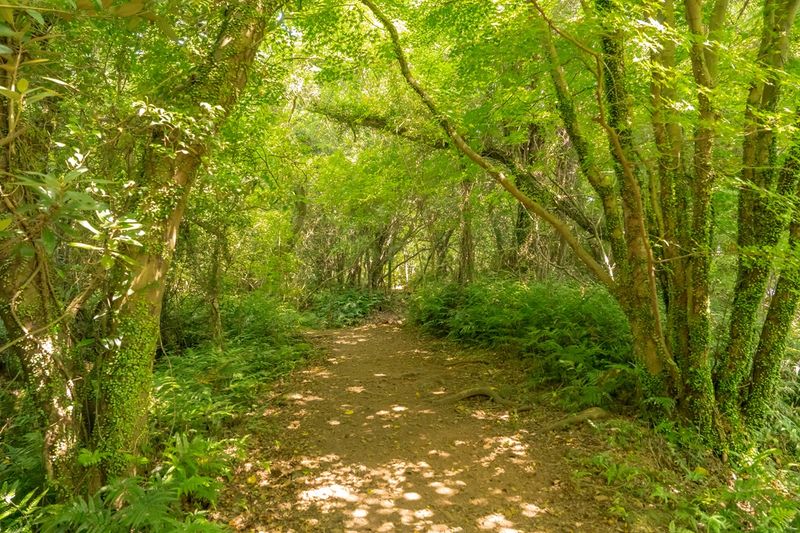
【Financial News, Jeju = Reporter Jeong Yong-bok】 The ecological legal entity system, which grants legal rights to the natural environment and biological species, will be taken up as an issue for international discussion in Jeju. The introduction of the system and the reconciliation of residents’ interests remain challenges in Jeju, which has pursued ecological legal entity status for the Indo-Pacific bottlenose dolphin and Gotjawal.
According to Jeju Special Self-Governing Province on the 28th, the 2026 Jeju International Ecology Forum will be held for the first time at and around Jeju Stone Park from November 5 to 7.
The forum, themed “The Narrative of Nature and the Reconstruction of Society,” is hosted by Jeju Province and co-organized by the Earth and People Foundation and International Convention Center Jeju. Around 150 participants from government, academia, business and civil society in Korea and abroad are expected to discuss responses to the climate crisis, biodiversity conservation and international cooperation.
The key agenda items are the rights of nature and ecological legal entities. The system grants legal personality to forests, rivers and specific biological species, recognizing them as subjects of legal rights. It will be necessary to determine who can exercise rights on nature’s behalf, the scope of protection and how those rights relate to existing property rights.
Jeju has pursued a plan to designate the Indo-Pacific bottlenose dolphin as South Korea’s first ecological legal entity. In December 2024, Wi Seong-gon, then a member of the National Assembly and now governor of Jeju Province, introduced an amendment to the Jeju Special Act as its lead sponsor, but the bill was put on hold during National Assembly review in March this year.
The government’s position is that further consideration is needed of how the system relates to existing environmental protection measures, whether it is consistent with the current legal framework and what impact it could have on local industries.
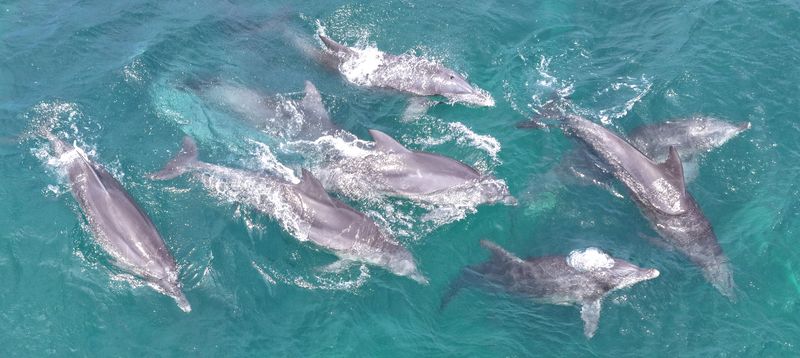
The target for designation is also a point of contention. In July, Wi suggested starting with fixed ecosystems such as Gotjawal, citing the possibility that designating the Indo-Pacific bottlenose dolphin as an ecological legal entity could lead to restrictions on fishing activities and conflict with residents.
However, Gotjawal also includes privately owned land, requiring the reconciliation of landowners’ property rights with conservation policies. Introducing ecological legal entities requires not only a legal basis but also criteria for who exercises nature’s rights and how conflicts with residents’ economic activities should be resolved.
Alongside these discussions on the rights of nature, the forum will address biodiversity conservation in island regions, the relationship between climate change and ecosystems, and international cooperation.
The keynote speakers will be Kang Kum-sil, Global Climate and Environment Ambassador, and Yoon Yong-taek, an emeritus professor at Jeju National University. Mary Evelyn Tucker, a professor at Yale University in the United States, will participate by video. Sessions will also cover natural capital, environmental, social and governance (ESG) issues, international cooperation, and links between climate and ecology.
Before the forum, the 2026 Jeju Environmental Hackathon, organized by Seoul National University’s Big Data Innovation Convergence University project team, will take place on November 3 and 4. Young people will use artificial intelligence (AI) and data to propose policy and public-service ideas for addressing environmental problems in Jeju, and outstanding teams will receive awards at the forum’s opening ceremony.
Jeju Province plans to use ideas presented at the forum in its environmental policy and international cooperation efforts. However, the ecological legal entity system has not yet been implemented; its actual introduction will require an amendment to the Jeju Special Act and social consensus on the targets for designation and how rights are exercised.
[email protected] Jeong Yong-bok Reporter