“40 years in this home, and now just one bag left” ... Guryong Village reduced to ashes again just nine months later [On the Scene]
- Input
- 2026-10-28 14:17:57
- Updated
- 2026-10-28 14:17:57
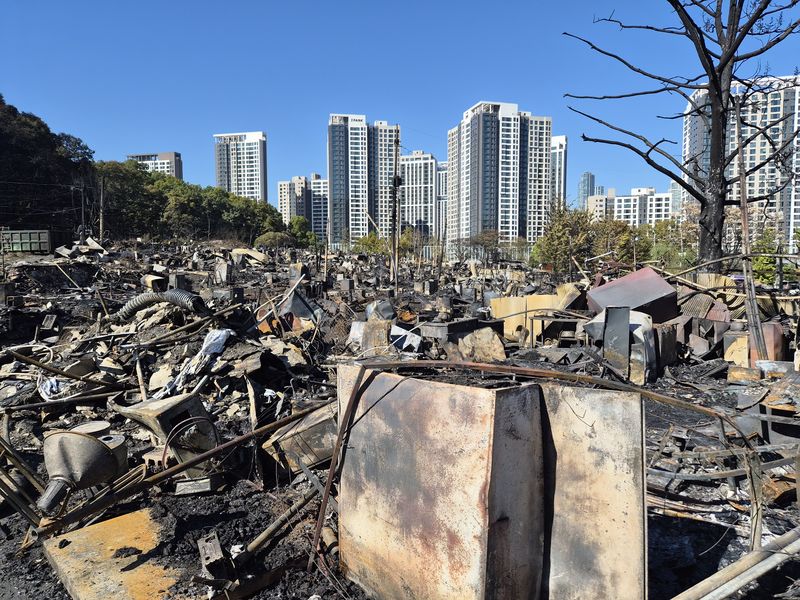
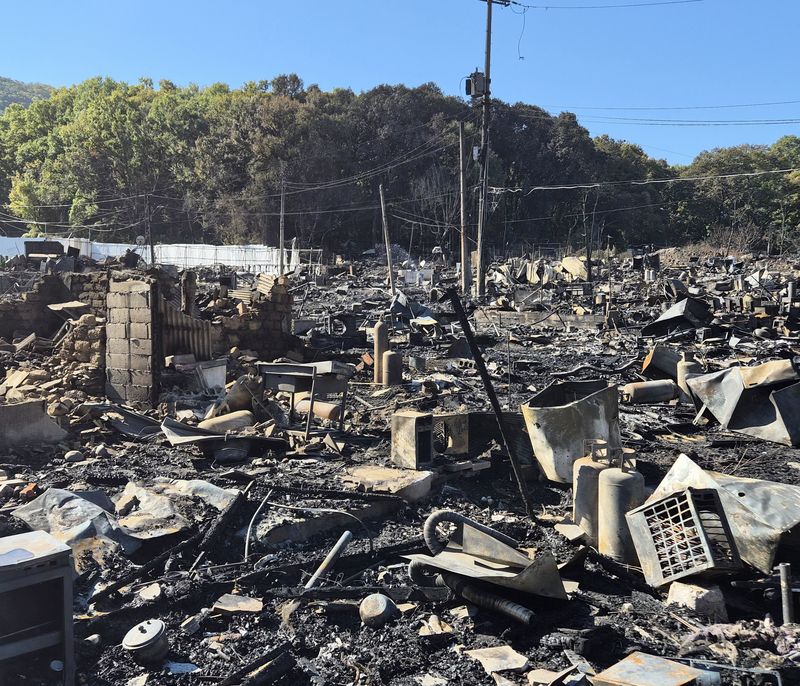
[Financial News] On the 28th, in Guryong Village in Gaepo-dong, Gangnam-gu, Seoul, blackened gas cylinders, sheets of metal twisted like taffy, and household belongings burned beyond recognition lay scattered across the area swept by the fire. A parked passenger car was also unable to escape the flames, leaving only its bare frame. High-rise apartment buildings towered behind the village, but below them, the homes and livelihoods residents had built over decades were reduced to ashes overnight. A white-haired man bent over to inspect the burned remains of a home and could not bring himself to leave for some time.
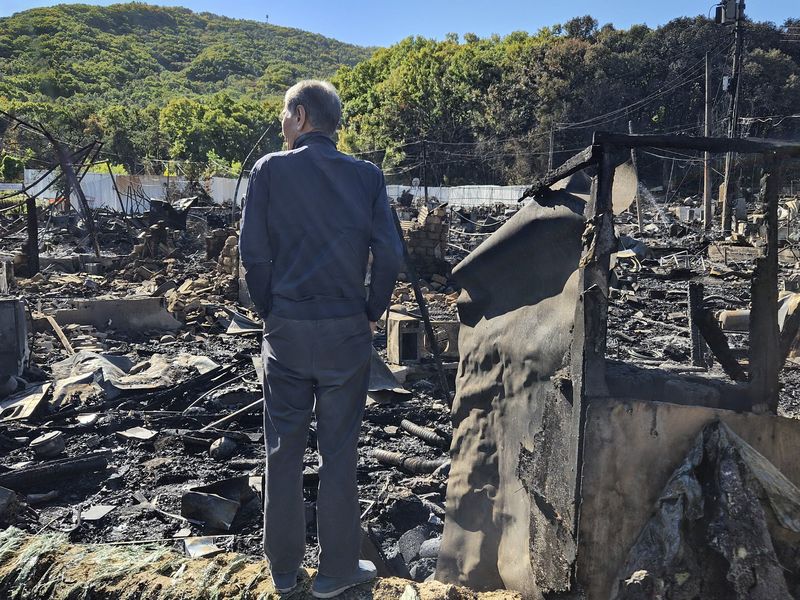
Guryong Village, where a major fire broke out last January, was engulfed in flames again on the 27th, just nine months later. The Seoul Metropolitan Government and relevant agencies had pursued safety measures, including building fire-engine access roads and expanding fire-prevention facilities, but had not eliminated the structural fire risks of the shantytown, covered in vinyl sheeting and tarpaulins.
“I couldn’t save a single item of clothing” ... Fleeing with nothing but a bag
Residents interviewed at the scene could not hide their shock at losing their homes and livelihoods overnight. The only thing left in the hands of Ms. Lee, a woman in her 70s who said she had lived in Guryong Village for nearly 40 years, was a bag she had grabbed as she hurried out to escape the flames.Ms. Lee said, “I was working at night and sleeping during the day when I got a call and rushed out in shorts. I went back into the house to get my phone, then came out with just one bag. I couldn’t save a single item of clothing; everything burned,” she said.
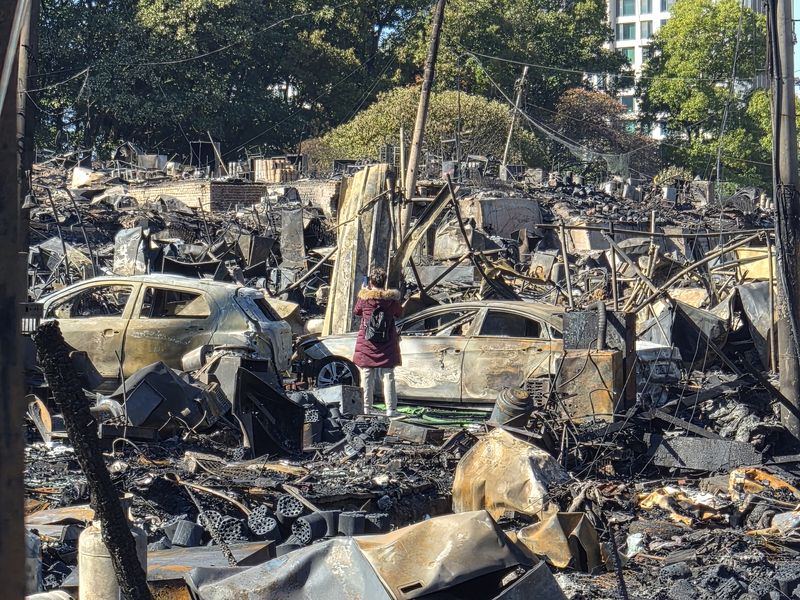
Other residents were in much the same situation. Even after evacuating to temporary shelters, including schools, some went to the fire scene early in the morning to watch what was happening, anxious over losing the homes where they had lived for so long.
Residents also voiced complaints that evacuation warnings had not been properly communicated during the fire. They said fire alarm systems had been installed throughout the village, but they could not hear the sirens when the fire actually broke out.
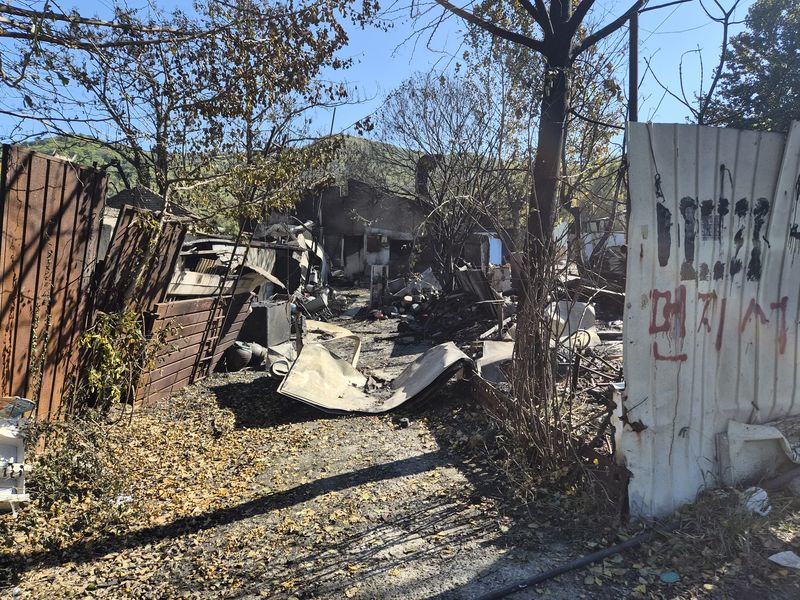
Some also pointed out that Guryong Village’s steep terrain and closely packed homes leave blind spots where alarm sounds do not carry properly. Lee Kang-il, 61, chair of the Guryong Village Landowners and Residents’ Council, said, “Sirens and fire extinguishers have been installed for several years, and we have also replaced broken equipment.” He added, “Because the village has areas at different elevations, when a siren sounds up above, it is hard to hear below. That is why neighbors sometimes have to shout to alert people that a fire has broken out.”
The shantytown layout that fuels fires remains unchanged
This is not the first major fire in Guryong Village. Just nine months after the January fire, another major blaze broke out, despite relevant agencies having pursued safety measures such as building fire-engine access roads and expanding fire-prevention facilities.Repeated fires are rooted in poor living conditions where flames can spread rapidly. Homes built with flammable materials such as vinyl sheeting and tarpaulins are packed into a confined space, and household belongings are piled up inside, creating a high risk that even a small spark will grow into a major fire.
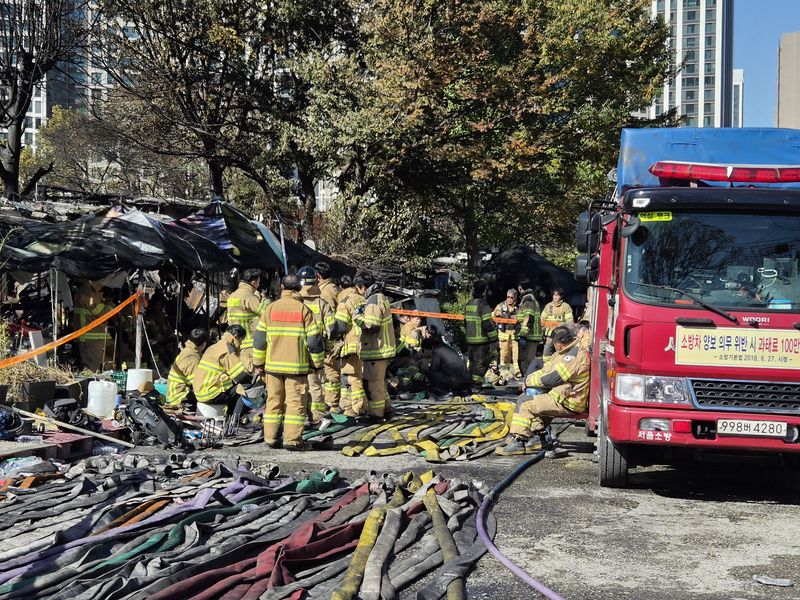
Police plan to begin an on-site investigation to determine the cause of the Guryong Village fire. They will first identify the suspected area where it began, then conduct further detailed investigations, including a second on-site inspection, based on the findings.
[email protected] Lee Dong-hyuk Reporter