U.S. offers Russia another 'carrot' ... may expand diesel trade and lift sanctions on sovereign wealth fund
- Input
- 2026-10-28 14:41:58
- Updated
- 2026-10-28 14:41:58
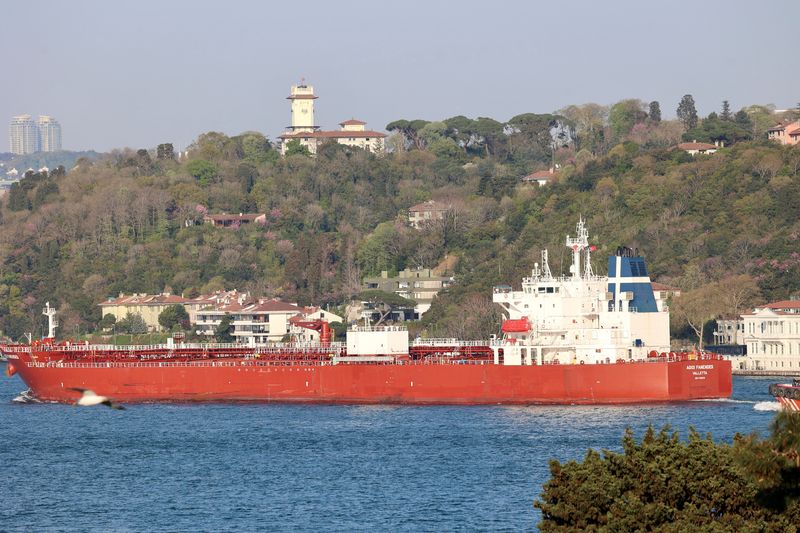
[Financial News] Ahead of next month’s midterm elections, the U.S. government under Donald Trump, which is importing Russian diesel, is considering allowing Russia to expand its diesel trade and removing the Russian sovereign wealth fund from the sanctions list. The Trump administration says all these measures are a “carrot” to encourage negotiations to end the war in Ukraine.
U.S. Energy Secretary Chris Wright appeared on local broadcaster CNBC on the 27th (local time) and said the United States could allow Russia to expand diesel exports to the U.S. and the rest of the world. Asked whether the number of tankers departing Russia could increase, he said, “Quite possibly,” adding, “The idea is to put a carrot in front of Russia.” In an interview with ABC on the 18th, Wright also said sanctions relief for Russia was “a carrot being offered to end the war.”
President Donald Trump, who has been struggling on the campaign trail amid a recent rise in diesel prices in the United States, announced on the 9th that he was temporarily lifting sanctions on Russian diesel exports. He then claimed that Russian President Vladimir Putin had promised to supply diesel to the U.S. and international markets. In votes held in April 2022, the U.S. House and Senate passed the Russian Oil Import Ban Act, which completely prohibits U.S. imports of Russian-origin crude oil, refined petroleum products, liquefied natural gas (LNG), and coal products. The House and Senate also passed the Lindsey Graham Russia-Iran Sanctions Act between August and September. The law allows tariffs of up to 100% on countries that import large quantities of Russian petroleum products or help Russia evade sanctions. On the 16th, Trump also suspended the application of the Lindsey Graham Russia-Iran Sanctions Act by executive order.
Russia, grappling with financial difficulties, moved quickly to export diesel. Russian Deputy Prime Minister Alexander Novak said in an announcement on the 27th that three tankers carrying Russian diesel had already been sent to the United States and that a fourth vessel would depart on the 28th. The British Financial Times (FT) forecast that the three tankers would arrive on the U.S. East Coast on the 7th, 9th and 11th of next month, respectively. The tanker arriving on the 7th will carry the first Russian diesel brought into the United States since July 2023.
The scale and destination of the export expansion Wright mentioned on the 27th are unclear. In his announcement on the 9th, Trump claimed that Russia would immediately supply at least 300,000 metric tons of diesel to international markets, including the United States, and an additional 500,000 metric tons during November. Trump said Russia would then supply another 1 million metric tons, followed by a further 3 million metric tons depending on the condition of its refineries.
CNBC noted that global diesel demand currently stands at 28 million barrels a day, making it difficult to rein in prices with the volumes Trump cited. Converted to a monthly basis, Russia’s initial supply of 300,000 metric tons amounts to an average of about 75,000 barrels a day, while the second shipment of 500,000 metric tons works out to around 124,000 barrels a day.
Observers predicted that the Trump administration could offer Russia another carrot to increase diesel supplies. A U.S. government official who spoke with The New York Times (NYT) on the 27th said the Trump administration was considering lifting sanctions on the Russian Direct Investment Fund (RDIF). In February 2022, the U.S. Treasury Department imposed sanctions blocking financial transactions between RDIF and U.S. citizens. The fund, a sovereign wealth fund worth several billion dollars, has faced allegations that it serves as a channel for Putin’s slush funds. A Russian official said RDIF had provided substantial assistance this month in coordinating the loading and transport of Russian diesel. The Trump administration’s position is that commercial transactions could give Russia confidence in the restoration of U.S.-Russia relations and, as a result, positively affect negotiations to end the war in Ukraine. The NYT warned that the discussions could seriously undermine years of U.S. efforts to change Russia’s behavior through economic pressure.

[email protected] Park Jong-won Reporter