Back to No. 1 after teetering on the brink... “Protecting customers’ right to choose is key to restoring trust at SKT”
- Input
- 2026-10-28 13:57:31
- Updated
- 2026-10-28 13:57:31
[Financial News] Signs of a recovery in trust are emerging as customer departures from SK Telecom Co., Ltd. (SKT), which suffered a large-scale cyber breach last year, have eased. The monthly average churn rate, which surged to as high as 1.6% immediately after the incident, fell to 0.8% within a year, and SKT ranked first in all three of South Korea’s major customer satisfaction surveys. Analysts say that measures to ease the burden on customers, including waiving cancellation fees and providing free SIM replacements, combined with security investments and external verification, helped restore trust.
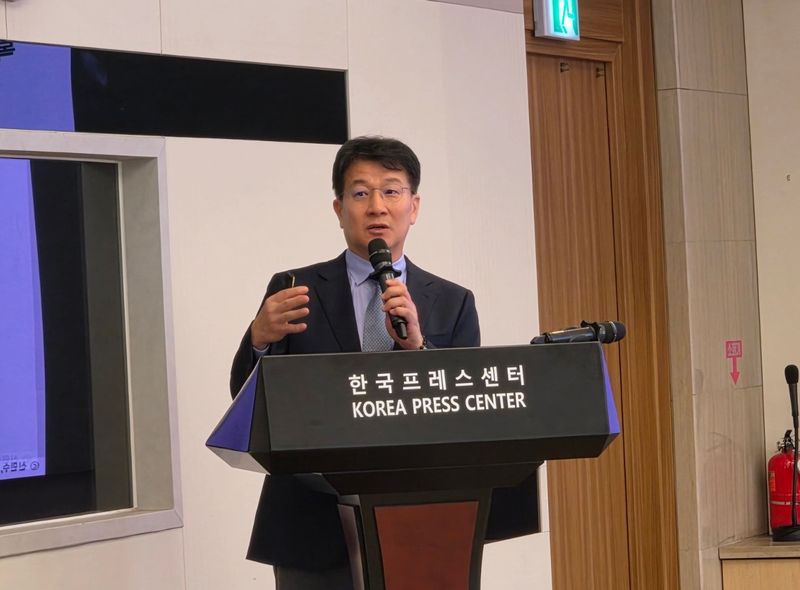
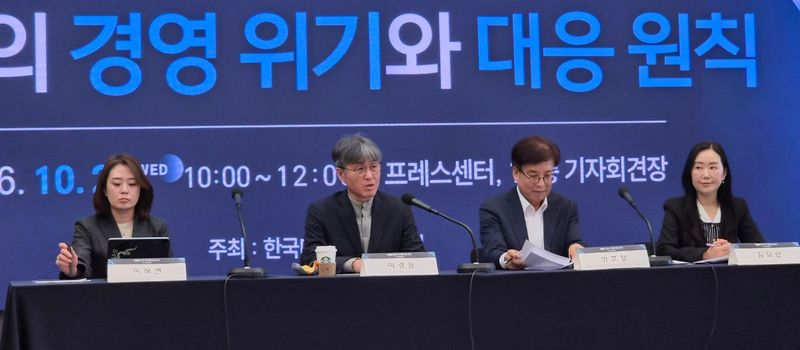
■ Churn rate falls as customer ratings recover At a seminar titled “Corporate Management Crises and Responses,” held by the Korean Media Management Association on the 28th at the Korea Press Center in Jung-gu, Seoul, Shin Min-su, a professor at Hanyang University, analyzed SKT’s customer metrics and business performance and discussed how its response to the cyber breach affected the restoration of customer trust.
Professor Shin analyzed that SKT’s focus over the past year on customer protection and compensation, security investments, and external verification had been key factors in restoring trust.
According to the presentation, SKT’s monthly average churn rate rose to 1.6% in the second quarter of last year, immediately after the incident, but fell to 0.8% in the second quarter of this year. That is close to the 0.7% recorded in the first quarter of last year, before the incident.
Subscriber numbers also recovered. After hitting a low in the fourth quarter of last year, mobile subscribers increased for two consecutive quarters, rising by a total of 220,000. SKT also recorded net additions of 156,842 in the number portability market from January to July this year. User ratings also recovered. This year, SKT ranked first for the 29th consecutive year in the National Customer Satisfaction Index (NCSI) and for the 27th consecutive year in the Korean Standard-Service Quality Index (KS-SQI). It also reclaimed first place in the Korea Customer Satisfaction Index (KCSI), which it had lost last year, taking the top spot in all three customer satisfaction surveys.
Professor Shin pointed to simultaneous improvements in customer behavior, satisfaction, and business performance metrics as signs of restored trust. In particular, he analyzed that guaranteeing customers the option to leave the company had, in fact, helped regain their trust. SKT waived cancellation fees for customers who terminated their subscriptions in July last year.
SKT provided its SIM Protection Service to all subscribers and offered free SIM replacements. It also expanded safeguards for eSIMs, SIM resets, and customers roaming overseas, increasing the security options customers can choose from depending on their circumstances.
SKT also pursued financial compensation and investments to prevent a recurrence. It allocated 500 billion won to a customer appreciation package and pledged to invest 700 billion won in information security over the next five years. The response plan totals 1.2 trillion won across customer compensation and security investments.
Professor Shin said these measures demonstrated a commitment not only to resolving the incident but also to reducing harm to customers while improving the security system.
Lee Hye-yeon, head of SKT’s Customer Value Innovation Office, described during the panel discussion how the company listened to customers on the ground and used their feedback to improve its services. She said, “I realized that trust can grow between us only when we listen directly to even the smallest expressions of customer inconvenience and show that the company itself is making changes.” She added, “Trust is built when customers’ actions are visible.”
[email protected] Yoon Hong-jip Reporter