K-water and MS expand water-restoration partnership, cutting leaks in the Seoul metropolitan area and reusing stream water in Busan
- Input
- 2026-10-28 10:13:32
- Updated
- 2026-10-28 10:13:32
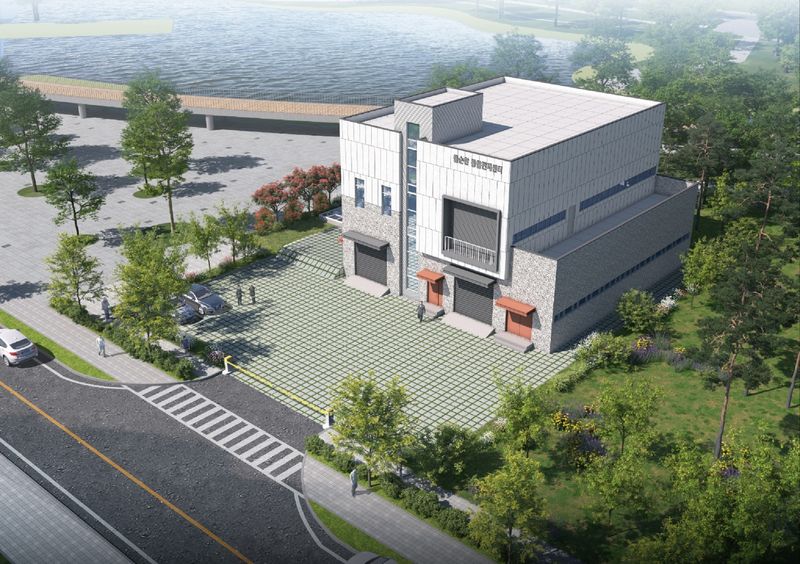
K-water said on the 28th that it had signed an additional cooperation agreement with MS to achieve “water positive” status. Following last year’s agreement to create an artificial wetland upstream of Soyang Dam, the two have identified two new projects in the Seoul metropolitan area and Busan.
Water positive is a voluntary water-restoration effort in which companies return more water to nature and local communities than they consume, or reuse more water than they consume. MS aims to achieve this by 2030.
In the Seoul metropolitan area, advanced leak-detection and repair technologies, AI analysis and Internet of Things (IoT) monitoring will be used to reduce water lost from the water-supply network. The plan is expected to ease pressure on water supplies in the Han River basin and secure additional water.
The project is expected to restore about 5.9 million cubic meters of water over 10 years. That is equivalent to the amount used over a year by about 53,000 people in South Korea.
In Busan Eco Delta City, an integrated water-treatment facility will be built and operated to purify water from Pyeonggang Stream. The treated water will be supplied to maintain the city’s lake park and navigable waterway, generating an expected water-restoration impact of about 1.9 million cubic meters and contributing to improved water quality in the Nakdong River basin. Water management and water-resource conservation education will also be provided for children, students and residents.
The water-restoration impact of each project will be measured by the volume of water replenished or saved. The impact will be independently calculated and verified using internationally recognized methodologies, with the aim of supporting MS’s Water Positive goal.
K-water President Yoon Seok-dae said, “We will continue to expand our cooperation with global companies, improve the efficiency of national water management and take the lead in responding to the climate crisis.”
Vicki Robinson, head of MS’s Energy, Connectivity and Sustainability division, said, “Through its collaboration with K-water, Microsoft is supporting practical solutions to reduce water loss, improve urban water-management systems and strengthen South Korea’s long-term resilience in water management.”
[email protected] Choi Ga-young Reporter