Hyundai Engineering and Construction earns certification for 'shoulder-season concrete' that requires no heat-retaining curing
- Input
- 2026-10-28 09:42:54
- Updated
- 2026-10-28 09:42:54
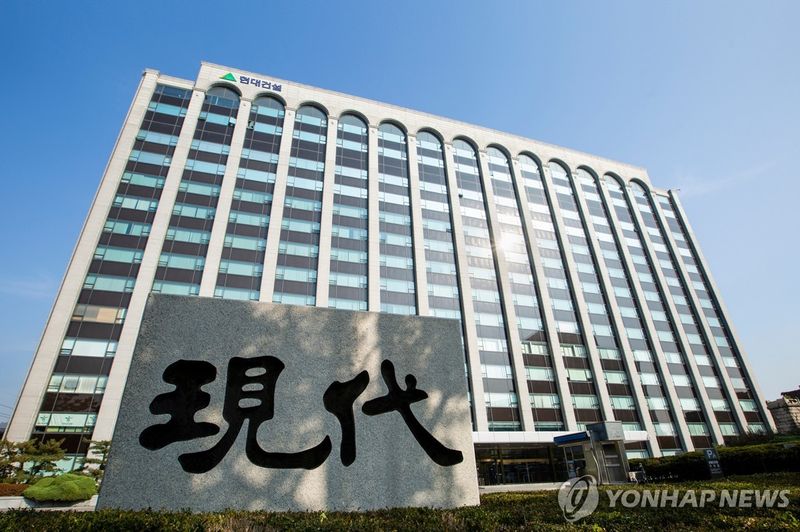
[Financial News] A concrete mix that can achieve the required strength within two days without separate heat-retaining curing, even during the shoulder seasons when daily low temperatures can drop to -2°C, has received official certification.
Hyundai Engineering and Construction said on the 28th that the concrete was jointly developed by the HMG Construction Technology Research Institute, the integrated R&D organization of Hyundai Engineering and Construction and Hyundai Engineering Co., Ltd., and Sampyo Industry Co., Ltd. It has two key features: it uses high-early-strength slag cement formulated to develop strength faster than ordinary slag cement, and incorporates a performance-enhancing admixture. As a result, it was designed to consistently achieve a strength of at least 5 MPa within 48 hours of placement, even when the daily minimum outdoor temperature is -2°C and the maximum diurnal temperature range is 20°C or less. A key feature is that it can meet the required performance without separate heat-retaining curing or an increase in design strength.
Field testing has also been completed. In March this year, Hyundai Engineering and Construction tested the concrete at the sites of The Parkside Seoul and The H 124. It achieved enough strength to allow the forms to be removed within 48 hours of placement, and its compressive strength after 28 days also exceeded quality standards. Its workability during construction was good as well.
Hyundai Engineering and Construction continues to develop concrete technologies for winter construction. Its previously developed nanoparticle-based, high-early-strength concrete became the first to receive New Technology Certification for Disaster Safety among construction companies in South Korea. Then, in July this year, it also received Green Technology certification from the Ministry of Land, Infrastructure and Transport. At an average daily temperature of at least 5°C, this concrete achieves a strength of 5 MPa or more within 18 to 24 hours without a separate heat supply. It was also recognized for reducing carbon emissions by at least 55% compared with ordinary concrete (Type 1 ordinary cement). The Korea Concrete Institute (KCI), which grants the certification, uses expert reviews to verify the excellence and field applicability of concrete materials and construction technologies. The HMG Construction Technology Research Institute focuses on four research areas—energy, future housing, smart construction, and infrastructure—and is also working to develop AI-based concrete quality management technology.
An official from the HMG Construction Technology Research Institute said, "Receiving this technology certification is the result of formal recognition of the superior technology and field applicability of this special concrete for the shoulder seasons." The official added, "We expect that the ability to ensure stable quality even in low-temperature environments will help improve structural safety, as well as shorten construction schedules and improve the efficiency of on-site management."
[email protected] Jeong Gyeong-su Reporter