“Weight gain causes gallstones”... Women face more than 3 times the risk of biliary tract disease [Health Talk]
- Input
- 2026-10-28 08:55:08
- Updated
- 2026-10-28 08:55:08
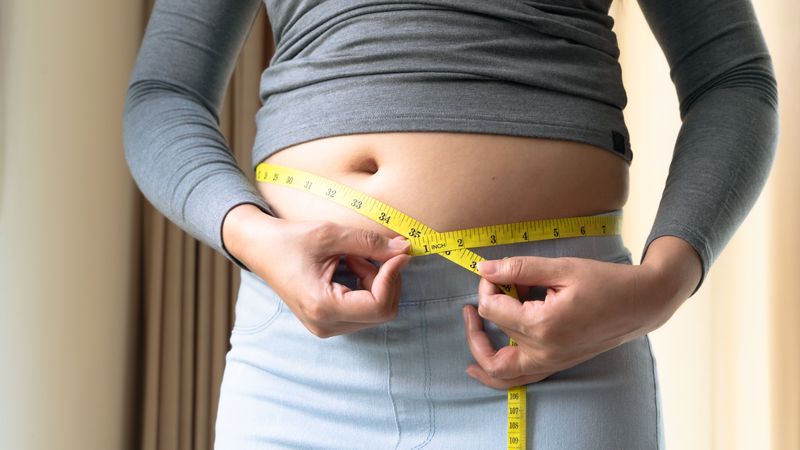
[Financial News] Obesity leads to gallstones, and gallstones lead to cholecystitis. Obesity, a risk factor for diabetes, high blood pressure and cardiovascular disease, also threatens gallbladder health.
A study analyzing the relationship between obesity and gallbladder disease found that people with a higher body mass index (BMI) had about 2.75 times the risk of developing noncancerous biliary tract diseases, including gallstones, compared with those with a lower BMI. By sex, the figure was about 3.21 times for women and 2.01 times for men. These figures do not compare cholecystitis alone, but they show the effect obesity can have on gallbladder health.
Kim Gwang-hyeon, chief of the Department of Surgery at Incheon Sejong Hospital, said, “Obesity is more than simply weighing too much; it changes the body’s metabolic functions. It can also affect gallstone formation and the risk of cholecystitis, so managing your weight in everyday life is important.”
The first link: Obesity leads to gallstones
The gallbladder is a small, pouch-shaped organ beneath the liver. It stores and concentrates bile produced by the liver, then releases it into the small intestine when food enters, helping digest fats. When the balance of cholesterol, bile acids, bilirubin and other substances in bile is disrupted, crystals form and clump together into gallstones.
People with obesity are more likely to have excessive cholesterol in their bile. The gallbladder’s ability to contract and empty also declines, making bile more likely to stagnate for a long time. This creates conditions in which gallstones can form more easily.
The second link: Gallstones can cause cholecystitis by blocking a duct
Not everyone with gallstones develops cholecystitis. If a gallstone blocks the passage through which bile drains, pressure inside the gallbladder rises and inflammation develops.
Kim said, “Many cases of acute cholecystitis are associated with blockage caused by gallstones,” explaining that “it is important to understand the chain in which obesity leads to gallstones, and gallstones become a major cause of cholecystitis.”
The main symptoms of cholecystitis are pain in the upper-right abdomen or the pit of the stomach. The pain may spread to the back or right shoulder, and nausea, vomiting and fever may also occur. Symptoms after eating fatty foods can easily be mistaken for indigestion or an upset stomach, but cholecystitis should be suspected if abdominal pain lasts for hours or is accompanied by fever and chills.
Diagnosis is usually made with an abdominal ultrasound. Doctors check for gallstones, measure the thickness of the gallbladder wall and look for inflammation nearby; blood tests are used to assess inflammation levels and liver function. Acute cholecystitis is treated with antibiotics and fluids depending on the patient’s condition, and if surgery is possible, cholecystectomy is considered a primary treatment. Delayed treatment can lead to gallbladder necrosis or perforation, or peritonitis.
Manage your weight to break the cycle... Avoid rapid weight loss
Maintaining a healthy weight is important to prevent gallstones and cholecystitis. It is advisable to manage your weight through regular exercise and a balanced diet, and to reduce your intake of refined carbohydrates, sugar and saturated fats.
However, the pace of weight loss requires caution. Extreme dietary restrictions or rapid weight loss over a short period can raise the cholesterol concentration in bile and impair the gallbladder’s ability to empty, potentially increasing the risk of gallstones.
Patients with severe obesity who have difficulty losing enough weight through diet, exercise and medication may also consider metabolic and bariatric surgery. This treatment reduces weight by making the stomach smaller or altering the structure of the digestive system; depending on the patient, it may also improve metabolic diseases such as diabetes and high blood pressure. However, it is not surgery to treat cholecystitis. Because rapid weight loss after surgery can lead to new gallstones, the gallbladder should be assessed before surgery, and ongoing management is also needed afterward.
Kim said, “When treating cholecystitis, it is important to manage obesity and lifestyle habits that affect gallstone formation alongside treating the inflammation. If severe obesity makes weight control difficult, patients can consult a specialist and consider treatment options including metabolic and bariatric surgery.” He added, “Because gallstones may develop as a result of rapid weight loss after metabolic and bariatric surgery, regular medical visits and systematic follow-up care are necessary.”
[email protected] Jeong Myeong-jin, Medical Correspondent Reporter