Jeju to inspect 200 swimming facilities to prevent another hotel chlorine gas accident
- Input
- 2026-10-27 15:43:04
- Updated
- 2026-10-27 15:43:04
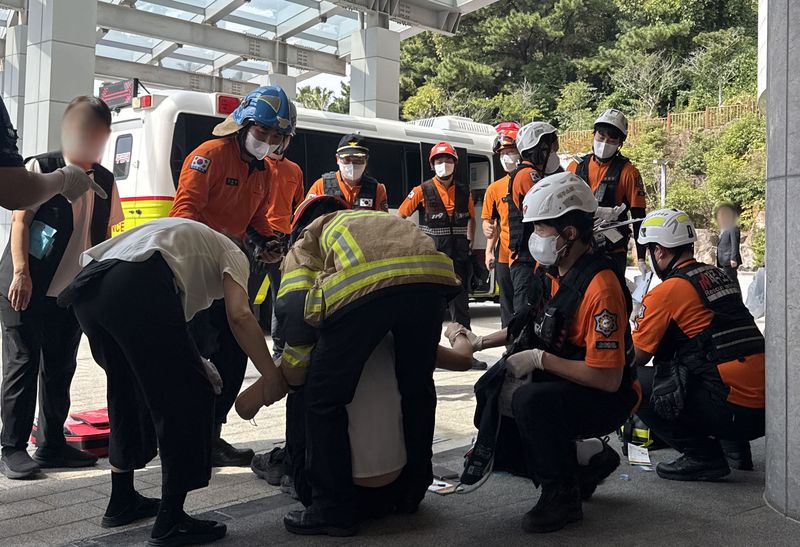
【Financial News Jeju = Jeong Yong-bok】 Jeju Special Self-Governing Province will inspect 200 swimming facilities across the province to prevent a recurrence of the chlorine gas leak at a hotel pool on the 1st.
According to Jeju Special Self-Governing Province on the 27th, inspections of chemical handling practices at 200 sites—including tourism and lodging facilities, public swimming pools and water-play facilities—will run from this month through November.
The inspections follow a chlorine gas leak at a hotel in the Jungmun Tourist Complex in Seogwipo on the 1st. At the time, sodium hypochlorite, a disinfectant, was mistakenly poured into a container for a pH adjuster in the pool’s mechanical room. The two chemicals reacted, producing chlorine gas.
As the gas spread through the hotel, 59 people—including guests, employees and pool users—reported nausea, dizziness, vomiting, headaches and other symptoms and were taken to hospital. The chlorine gas concentration in the mechanical room was measured at at least 50 ppm at one point.
Chlorine gas is a toxic substance that irritates the eyes and respiratory tract and can cause lung damage if someone is exposed to high concentrations. It can be produced when pool disinfectants are mistakenly mixed with acidic chemicals, so care is needed when storing and dispensing chemicals.
The largest category among the facilities to be inspected is pools attached to tourism and lodging businesses, with 117. The remaining facilities include 36 privately registered swimming pools, 17 water-play facilities with water features, 16 pools at public sports facilities and 14 water-play theme parks.
Jeju Special Self-Governing Province has assigned the department responsible for each type of facility to lead the inspections, with joint on-site checks by the environmental department where needed. It will also interview chemical handlers and distribute guidance materials on accident prevention.
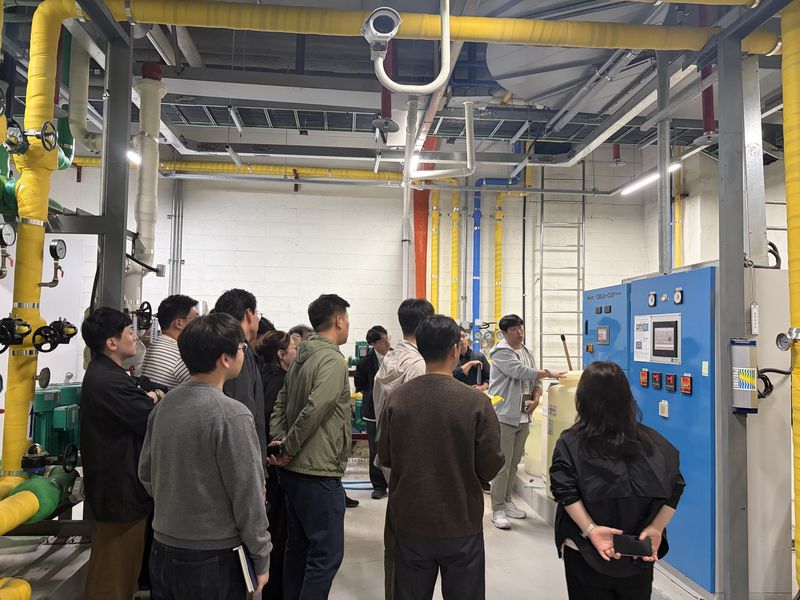
A key inspection item is whether disinfectants and pH adjusters are stored separately. Inspectors will also check that containers, storage tanks and injection pipes are properly labeled so chemicals that may react with each other are not stored too close together or confused during dispensing.
Inspections will also cover whether Material Safety Data Sheets (MSDS), which provide information on chemical hazards, handling methods and emergency first aid, are available, as well as facilities’ emergency response systems. If deficiencies are identified at a facility, officials plan to advise on-site improvements.
On the 21st, Jeju Special Self-Governing Province held a demonstration of a preliminary joint inspection at two public swimming pools, including the Jeju Disability Sports Center and the Jeju Innovation City Complex Innovation Center, together with the Yeongsan River Basin Environmental Office and the two administrative cities.
The Chemical Safety Management Team of the Yeongsan River Basin Environmental Office explained on site the standards for storing and handling chemicals and how to inspect key equipment. Based on the demonstration, Jeju Special Self-Governing Province made the inspection criteria more specific for each type of facility.
The chemical management system will also be strengthened. Management standards for sodium hypochlorite, which is used as a swimming pool disinfectant, are set to become stricter from 2028 following its designation as a hazardous chemical. Jeju Special Self-Governing Province plans to inform facility operators of the revised standards and encourage them to prepare in advance.
Im Hong-cheol, director general of Jeju Special Self-Governing Province’s Environment, Forest and Natural Resources Bureau, said, “To prevent chemical accidents at swimming pools, it is important to strictly follow basic safety rules, including the proper storage and handling of chemicals.” He added, “We will prevent similar accidents from recurring through safety management guidance for each facility and on-site improvements.”
[email protected] Jeong Yong-bok Reporter