Government to change budget execution rules, track funds through actual payment
- Input
- 2026-10-27 15:00:00
- Updated
- 2026-10-27 15:00:00
[Financial News] The government will change its budget execution monitoring criteria, shifting the focus from the disbursement of funds to their actual payment to final beneficiaries. The aim is to reduce project delays despite budgets being disbursed in advance and ensure that people and businesses feel the effects of fiscal support in a timely manner.
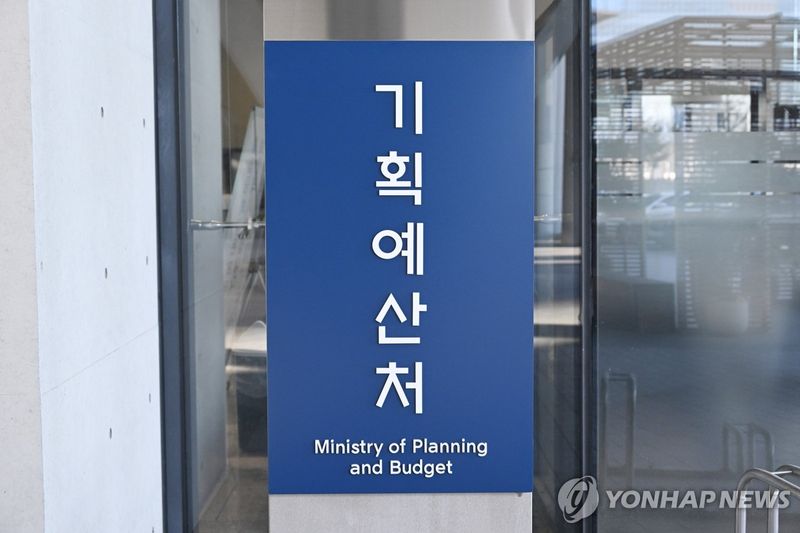
On the 27th, the Ministry of Planning and Budget announced a plan to reform the budget execution management system.
The core of the reform plan is to manage projects based on actual spending. Until now, the government has often counted the disbursement of budget funds as execution, limiting its ability to determine how long it takes for funds to reach final beneficiaries and how much remains unused. Disbursing funds before they are actually used has also led to unnecessary financing costs.
Starting in 2027, the government will introduce a system for monitoring actual spending, focusing on private-sector subsidy programs and research and development (R&D)-funded projects for which data can be compiled. It plans to gradually bring local government subsidy programs under the system by 2030, after upgrading the necessary infrastructure, including spending management systems.
Projects with a high risk of spending delays will be selected in advance for intensive monitoring. The government will review each project’s spending plan and key milestones, and work with the relevant ministries on corrective measures based on the causes, such as delays in contracts or administrative procedures, or weak demand. It will identify at which stage delays occur, from selecting beneficiaries for support through actual payment, and check whether conditions improve after measures are taken.
The government will also regularly monitor the amounts disbursed and actual spending on standard projects. If funds remain unused for an extended period or spending delays recur, the project will be moved to intensive monitoring. The government plans to safeguard the autonomy of projects proceeding normally while focusing its management resources on those at risk of poor spending performance.
Actual spending performance will also be reflected in funding requests from each ministry and in the allocation of funds by the Ministry of Economy and Finance. The Ministry of Planning and Budget will share project-level actual spending figures and information on funds held up, while the Ministry of Economy and Finance will adjust the amounts and timing of funding requests and allocations to match actual spending schedules. The government will also refine project-specific standards for actual spending and reporting methods, and continuously monitor the reasons for delays and the implementation of corrective measures.
Accelerated spending in the first half of the year will be managed flexibly, taking economic conditions and the feasibility of spending on each project into account. The government will factor in the needs of projects with fixed payment schedules or for which spending is best spread evenly throughout the year, while setting ambitious first-half spending targets for projects requiring swift results, such as government priorities and livelihood stabilization. It will monitor not only fund allocations but also the actual progress of projects, including announcements, selection of project operators, commencement of work, and payments.
The government plans to specify the projects subject to monitoring and their spending targets, taking into account consultations with relevant ministries and the budget finalized by the National Assembly, and to announce its budget execution management plan in January next year. It will also monitor how fiscal support translates into tangible benefits through budget execution review meetings and on-site inspections throughout the year.
[email protected] Kim Chan-mi Reporter