KORAIL to put four high-speed freight trains under special monitoring for on-time operation
- Input
- 2026-10-27 14:05:58
- Updated
- 2026-10-27 14:05:58
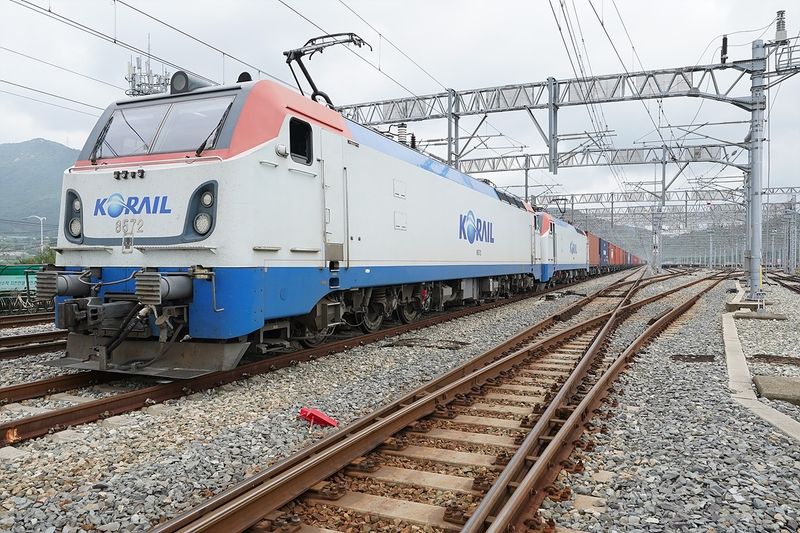
[Financial News] After it emerged that Gyeongbu Line container freight trains were arriving at their terminal stations an average of about 47 minutes late, Korea Railroad Corporation (KORAIL) is stepping up its oversight of on-time operations. It will place four high-speed freight trains that run during time slots favored by shippers under focused monitoring and routinely examine the causes of delays on ordinary freight trains by segment.
According to KORAIL on the 27th, an analysis of freight train operating records compiled through September this year found that Gyeongbu Line container trains were the most delayed. A combination of factors, including track capacity issues, meant these trains arrived at their terminal stations an average of about 47 minutes late.
Delays are tied to the structure of the domestic railway system. Freight trains share tracks with passenger trains, so they often have to stop and wait on sections where spare track capacity is limited. The time needed to load and unload freight or assemble trains also contributes to late arrivals.
After consulting customer companies, KORAIL selected four Gyeongbu Line container trains that run during periods of peak shipper demand and designated them as “Special On-Time Operation Monitoring Trains.” High-speed freight trains are freight trains that operate at speeds of up to 120 km/h.
The same standards will also apply to ordinary freight trains that are not under special monitoring. The plan is to reduce time added during trips by adjusting crew-change points and locations where trains wait. The aim is to deliver important cargo for customer companies, such as “urgent-transport goods,” on time.
KORAIL is also continuing to expand its “Rail Freight Win-Win Support Measures,” which aim to lower the barriers for businesses to use rail. Since July, it has deferred until the end of the year the imposition of under-loading fees, previously charged monthly or quarterly to customer companies that failed to ship their full contracted volumes. It is also working to secure new freight volumes by offering discounted fares when cargo previously transported by road and other modes is shifted to rail.
KORAIL President Kim Tae-seung said, “We are working hard to improve freight train services so that rail can fulfill its role as one of the pillars of national logistics,” adding, “We will continue without wavering to improve operating quality and provide mutual support so that logistics customers can entrust us with their cargo with confidence.”
[email protected] Jung Kyung-soo Reporter