Samsung Electronics pushes back against KFTC sanctions over ‘deceptive advertising’ related to Galaxy GOS, signals administrative lawsuit
- Input
- 2026-10-27 12:00:10
- Updated
- 2026-10-27 12:00:10
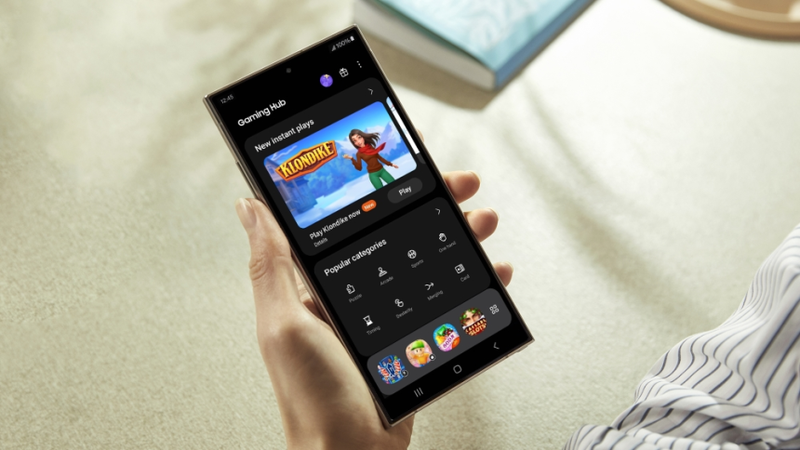
[Financial News] Samsung Electronics is preparing legal action to challenge the Korea Fair Trade Commission’s (KFTC) decision to sanction the company for deceptive advertising related to the Game Optimization Service (GOS) on Samsung Galaxy smartphones. The company says it is unfair to treat technical measures designed to reduce heat generated during gameplay and maintain stable performance as advertising that deceives consumers.
JIPYONG LLC, Samsung Electronics’ legal counsel, said in a statement on the 27th, “We cannot accept the KFTC’s finding of a violation of the Act on Fair Labeling and Advertising. We will file a lawsuit after reviewing the written resolution.”
The KFTC had previously voted to sanction Samsung Electronics over performance-related advertising for the Galaxy S21 and S22 series and the Galaxy Tab S8. The commission’s rationale was that while Samsung emphasized the products’ processing performance, it did not adequately disclose that GOS could limit performance in some games.
GOS is a feature that adjusts the operation of the central processing unit (CPU) and graphics processing unit (GPU) to manage heat and power consumption, among other things, when games are running on smart devices. Controversy erupted after users complained that peak performance was limited in some games following the launch of the Samsung Galaxy S22 in 2022.
Samsung Electronics argued, “The effects in actual gaming conditions should be considered rather than the performance limitation itself.” It explained that the processing-speed cap applied to some high-spec games was intended to prevent excessive heat and reduce screen stuttering or sharp drops in performance during extended play.
Samsung particularly criticized the KFTC for focusing on figures comparing the application processor’s (AP) maximum operating speed with its limit settings, while failing to adequately explain the performance users actually experience, including frames per second (FPS) during gameplay and how long that performance is sustained.
Samsung emphasized that settings applied to specific games were not fixed, but had been adjusted in response to game updates and user feedback. It maintained that the feature was not intended to deliberately reduce the products’ performance.
Samsung also cited the fact that the software settings subject to sanctions are no longer in use. The company said it updated GOS in March 2022 to reflect user demands and has improved the related features since then.
Samsung also noted that, in related lawsuits brought in South Korea and abroad, no final judgment to date has found the company liable for damages. However, the standards for determining liability for consumer damages and violations of the Act on Fair Labeling and Advertising differ, so the outcome of a civil lawsuit does not directly determine whether the KFTC’s sanctions are lawful.
The key issue in the upcoming legal dispute is expected to be whether GOS’s ability to adjust performance was material information that could affect consumers’ purchasing decisions, and whether failing to disclose it separately in advertising constituted deceptive advertising.
Samsung Electronics said, “Once we are served with the KFTC’s written resolution, we will review the specific grounds for its decision and challenge its legality in court.” The company also said, “We regret having caused concern among consumers,” and added, “We will continue our efforts to provide product information and earn consumers’ trust.”
[email protected] Yoo Sun-jun Reporter