“Can You Tell by Pulling 60 Strands of Hair?” A Fall Hair-Loss Self-Check [Health Talk]
- Input
- 2026-10-27 11:05:01
- Updated
- 2026-10-27 11:05:01
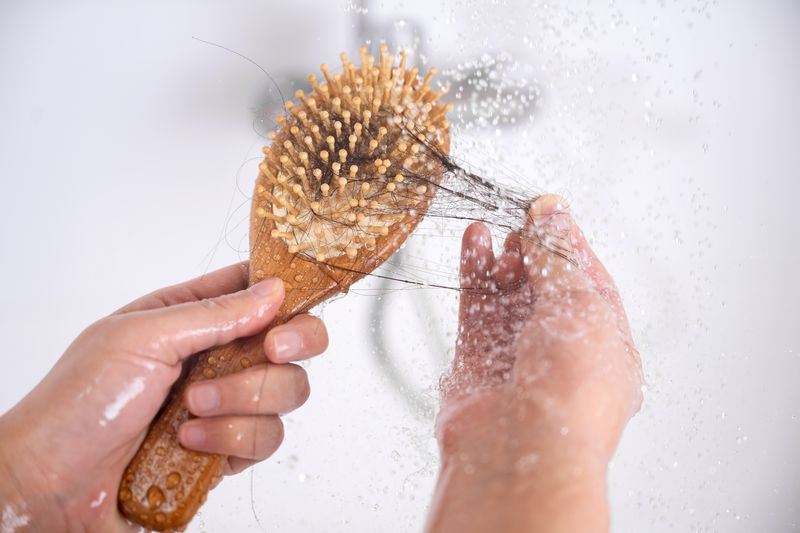
[Financial News] In fall, there is a noticeable increase in the amount of hair found on pillows and bathroom floors. Most of this is a natural response to the change of seasons, but if your hair keeps getting thinner and your part keeps widening, you should consider the possibility of hair loss.
In fall, seasonal factors such as dry weather and large temperature swings, along with stress, rapid weight loss and nutritional imbalances, can affect your hair. If your scalp and hair were irritated by strong ultraviolet rays, sweat and sebum during the summer, you should take extra care of them.
Professor Kim Gyu-seok of the Department of Korean Medicine Dermatology at Kyung Hee University Korean Medicine Hospital said, “Hair goes through repeated cycles of shedding and regrowth, so losing a certain amount is normal.” He added, “But if you are losing more hair than usual, or if changes such as thinning hair and a widening part continue, you should check whether you have hair loss and what is causing it.”
The “pull test”: tug on 50–60 strands
One way to check whether you are losing more hair than usual is the “pull test.” You grasp 50–60 strands of hair, gently tug, and count how many come out. However, an accurate diagnosis should be made by consulting a specialist.
Professor Kim stressed, “It is difficult to determine whether someone has hair loss based only on whether they are losing a lot of hair,” adding, “You need to consider the hair’s thickness and density, the pattern of hair loss, and how long the symptoms have continued.”
Hair loss can have various causes, including genetics, immune responses and nutritional status, and its pattern and treatment vary depending on the cause. That is why it is important to consider when the symptoms began, how they have progressed, lifestyle habits and any accompanying symptoms.
Professor Kim said, “In Korean medicine, a person’s overall condition is assessed by considering results from tests such as autonomic nervous system tests and scalp thermography, and treatments such as herbal medicine or acupuncture may be considered.” He added, “Blood tests may also be used to check for thyroid disease or iron deficiency.”
Get enough protein and iron, and avoid extreme diets
A balanced diet, sufficient sleep and a regular routine are important for maintaining healthy hair. You should get enough nutrients needed for hair, including protein and iron, and manage stress well. Excessive dieting or irregular meals can lead to nutritional imbalances, so caution is needed.
Professor Kim advised, “Rather than relying only on unverified folk remedies or specific products because you are worried about hair loss, you should first check whether it is actually progressing and what is causing it.” He added, “If changes such as thinning hair or reduced density continue, it is a good idea to seek professional care.”
[email protected] Jung Myung-jin, medical correspondent Reporter