Former Chosun Refractories Mokpo Plant to Be Transformed into a Complex Cultural Space
- Input
- 2026-10-27 12:29:01
- Updated
- 2026-10-27 12:29:01
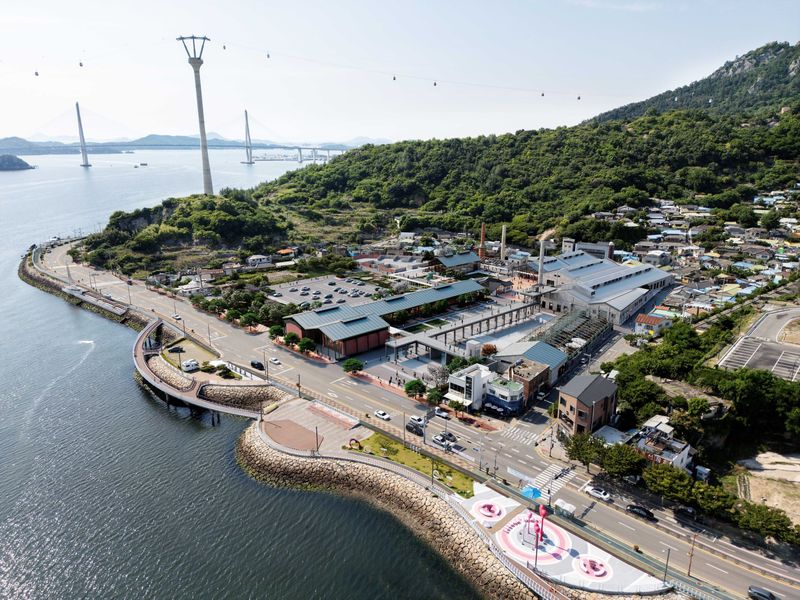
【Financial News, Mokpo = Hwang Tae-jong】The former Mokpo plant of Chosun Refractories Co., Ltd., which contributed to the development of South Korea’s steel industry, will be transformed into the country’s largest complex cultural space utilizing cultural heritage.
The site covers 33,393 square meters (about 10,000 pyeong) around 122-6 Ongeum-dong, Mokpo City. Chosun Refractories plans to invest a total project budget of 70 billion won, open the first phase on May 15, 2027, marking the company’s 80th anniversary, and complete the project in 2029.
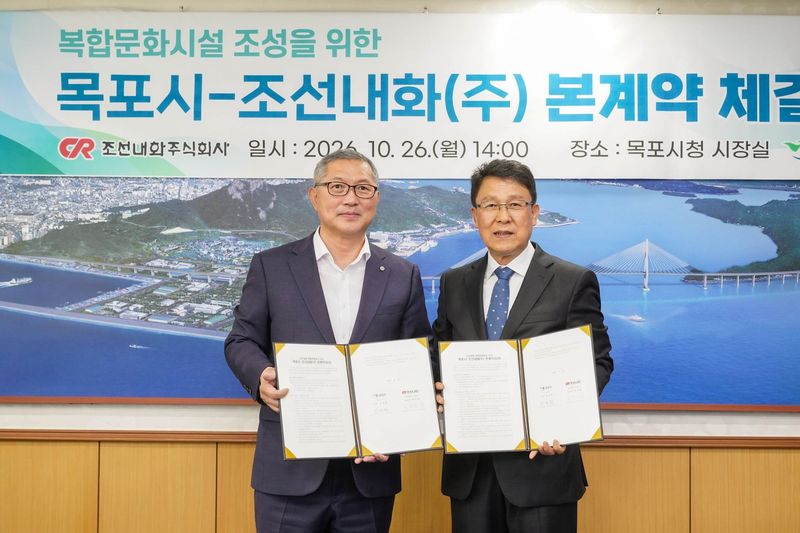
To that end, the company signed a definitive agreement with Mokpo City on the 26th for the “Creation of a Complex Cultural Space at the Former Mokpo Plant.” The agreement follows a memorandum of understanding (MOU) on mutual cooperation signed by the two organizations on February 14, 2023. It aims to transform the long-neglected former plant site into a destination where residents and tourists can spend time and enjoy themselves.
According to Mokpo City on the 27th, the former Chosun Refractories Mokpo plant ceased operations in 1997. However, it was designated a National Registered Cultural Heritage in 2017 in recognition of the historical preservation value of its modern and contemporary industrial facilities, which contributed to the development of South Korea’s steel industry.
Under the definitive agreement with Mokpo City, Chosun Refractories plans to invest the entire project budget of 70 billion won and carry out the complex cultural space project in two phases through 2029.
First, it will invest 40 billion won in Phase 1, the restoration of cultural heritage and development of complex cultural facilities. Along with repairing and maintaining the heritage site, it plans to build an exhibition hall, history museum, art museum, performance venue, and F&B (food and beverage) facilities, with the first opening scheduled to coincide with the company’s 80th anniversary.
It will then invest 30 billion won in Phase 2, the expansion of tourism accommodations, building facilities such as family hotels in stages after 2027 and aiming to complete the project by 2029.
In particular, to foster a mutually beneficial relationship with the local community, Chosun Refractories agreed under the definitive agreement to transfer land valued at approximately 3 billion won (2,984 square meters) to Mokpo City free of charge as a public contribution.
It also agreed to give priority to renting out the facilities for major cultural and arts events in the Mokpo area, including the International Ink Biennale, and to actively support local young artists by providing spaces for creation and exhibitions.
“The long-neglected industrial heritage has been reborn as cultural content that captures Mokpo’s character and history, as well as a cherished place of respite for residents,” Mokpo Mayor Kang Seong-hwi said. “To ensure the project proceeds smoothly, we plan to support swift administrative approvals and permits, improve transportation infrastructure, develop integrated tourism branding, and actively promote it externally.”
He also stressed, “By creating this complex cultural space, we will build a ‘stay-oriented tourism belt’ running from the Modern History Space through the Chosun Refractories complex cultural space to Yudal Amusement Park, and take a leap toward becoming a tourism city where visitors stay rather than merely pass through.”
[email protected] Hwang Tae-jong Reporter