U.S.-Canada trade deal talks gain momentum; steel and auto tariffs could be lowered within a week
- Input
- 2026-10-27 12:27:12
- Updated
- 2026-10-27 12:27:12
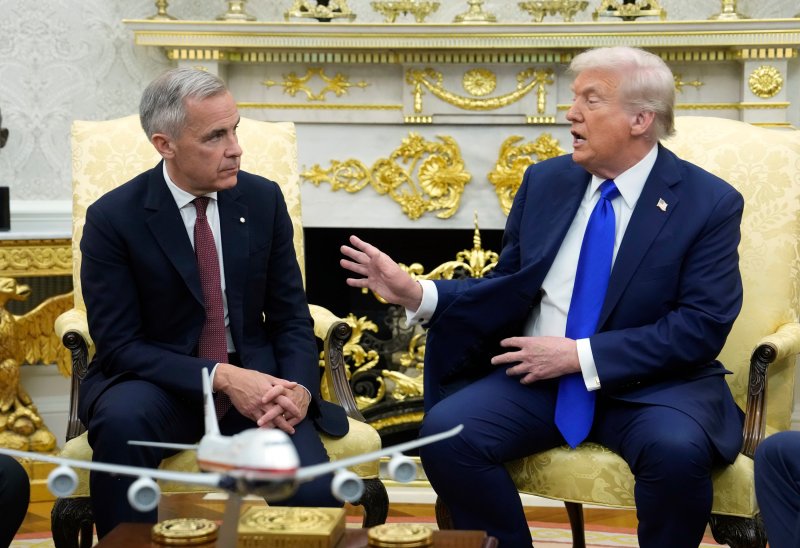
[Financial News] The Canadian government, which has been engaged in a trade war with the United States since last year, said negotiations with the U.S. have recently made progress. Some officials said the Donald Trump administration could lower tariffs on Canadian steel and automobiles ahead of the U.S. midterm elections, which are about a week away.
According to the American Broadcasting Company (ABC) on the 26th (local time), Canadian Prime Minister Mark Carney said in an interview that day that trade negotiations with the U.S. had “deepened somewhat,” adding that “if there has been progress in the talks, it would be because the U.S. has moved closer to our position.” The office of Canadian minister Dominic LeBlanc, who is leading trade negotiations with the U.S., said in a statement that day that it was maintaining “constructive dialogue” with the U.S. On the U.S. side, Commerce Secretary Howard Lutnick is leading the negotiations.
U.S. President Donald Trump said during a midterm election rally on the 25th that “the trade dispute will soon be resolved.” In an interview with Fox News the same day, he said, “We’re very close to a deal, and it could be a very good deal for everyone.” White House National Economic Council Director Kevin Hassett also appeared on Fox News on the 25th and asserted that “there is a very high likelihood that we will finally reach a deal.”
In March last year, Trump invoked Section 232 of the Trade Expansion Act of 1962 to impose additional tariffs of 25% on steel and aluminum, automobiles and auto parts imported from countries around the world, including Canada. In June of the same year, he raised the additional tariffs on steel and aluminum to 50%. Trump also announced last August, citing Section 338 of the Tariff Act, that he would impose an additional 50% tariff on $20 billion (about 27 trillion won) worth of Canadian imports, including dairy products, alcoholic beverages, machinery, textiles, cement, furniture and electronics. Canada announced retaliatory tariffs on U.S. products. In an announcement that same month, Trump warned that tariffs on automobiles and auto parts made in Canada would rise from the existing 25% to 50% starting next year.
However, in a proclamation on the 23rd, Trump exempted plywood, some paper products, certain machinery and refrigeration equipment, and packaging boxes from the items subject to tariffs, although they had been included among Canadian goods facing existing 50% tariffs. Foreign media analyzed at the time that Trump had partially eased the tariffs to win over voters in Maine, a state with substantial trade with Canada, ahead of the November 3 midterm elections.
In an interview on the 26th, Canada’s Carney stressed, “We have very clear red lines, and we were not willing to sign the proposal put forward in August.”
In connection with this, U.S. and Canadian officials told foreign media on the 26th that both governments were positive about the negotiations. One Canadian official said a deal on steel and auto tariffs could be reached before the U.S. midterm elections. A U.S. official said the Trump administration was demanding further concessions from Canada. Officials explained that Lutnick, from the Department of Commerce, rather than the Office of the United States Trade Representative (USTR), was at the center of the negotiations because the Department of Commerce oversees tariffs under Section 232 of the Trade Expansion Act of 1962. A USTR official said the USTR had been in contact with Canadian government officials in recent days about the broad framework for a deal and all other trade issues.
One Canadian industry official observed, “If a deal is reached, it will happen quickly,” adding, “But I think that even if a deal is reached, it will be narrow in scope.” Another Canadian official stressed that any deal would be led by Trump and Carney, and that both leaders have said a mutually beneficial deal is possible.
[email protected] Park Jong-won Reporter