U.S. midterm polls are ‘too close to call’...It could be a ‘Blue Wave’ or just a ripple
- Input
- 2026-10-27 07:01:09
- Updated
- 2026-10-27 07:01:09
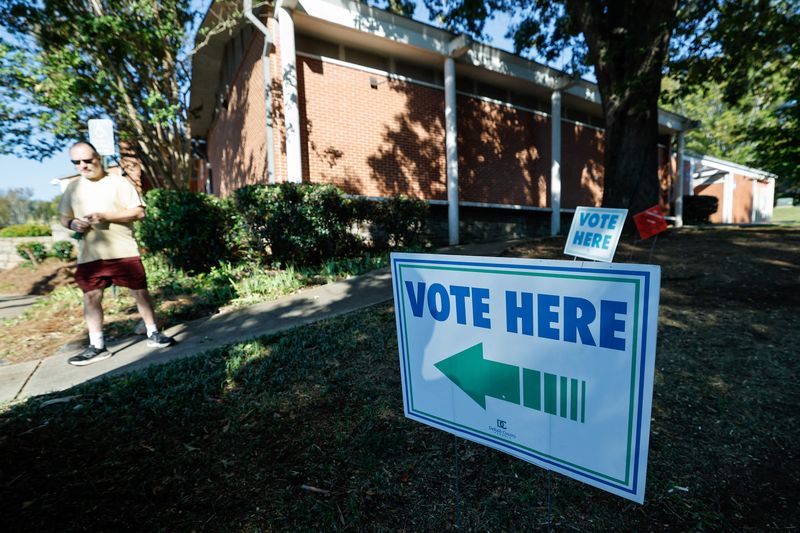
[Financial News] As U.S. midterm election day approaches, polling gaps in key U.S. Senate battlegrounds are narrowing to within the margin of error.
USA Today reported on the 26th (local time) that attention is focused on whether Democrats will produce a landslide ‘Blue Wave’ or only modest gains in a ‘Blue Ripple,’ and whether Republicans will retain their Senate majority.
Polling experts say President Donald Trump’s low approval rating, driven by rising prices for essential goods and the ongoing war in Iran, among other factors, is the main reason public sentiment has worsened. In polls for congressional elections, Democrats hold a nationwide lead over Republicans, ranging from 7–8 percentage points at the low end to as much as 10–11 points, depending on the voter group.
But the picture is different in the Senate races. In swing states such as Iowa, Texas and Kansas, where the president has won all three of the previous elections, the Senate contests are extremely close.
Mary Radcliffe, research director at the polling-aggregation site FiftyPlusOne, said, “There are voters who, despite being dissatisfied with the president and the current Republican administration, will ultimately vote Republican.” She added, “As the election nears, Republican-leaning undecided voters who have kept their preferences under wraps are likely to rally.”
In key red states such as Kansas, where Democrats had been leading, the margins have stalled or returned to a tie over the past two weeks. David Paleologos, director of Suffolk University’s Center for Political Research, attributed this to “psychological shifts among frustrated Republican voters.”
In the Kansas Senate race, for example, Democratic candidate Adam Hamilton initially held the lead, but recent polls from mid- to late October show Republican Sen. Roger Marshall pulling ahead by 1 percentage point, making it a close contest.
In Iowa and Texas, the races are extremely close, with margins of 1–3 percentage points.
USA Today reported that experts believe these narrow gaps in support could prove decisive in determining the final outcome as voters return to their respective party camps in the closing stretch of the election.
[email protected] Yoon Jae-joon Reporter