[Editorial] AI-Driven Youth Employment Woes: Labor Reform Is the Only Way Out
- Input
- 2026-10-26 19:12:39
- Updated
- 2026-10-26 19:12:39
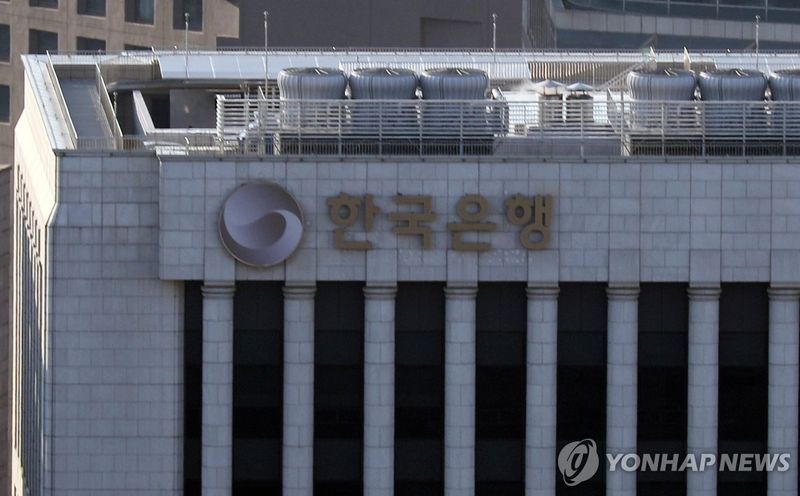
The deterioration in the quality of youth employment is also evident in the share of temporary and daily workers. According to the Bank of Korea on the 26th, the average unemployment rate among young people (ages 15–29) has been 6.1% since 2023, lower than the 9.4% average for 2014–2019. Judging by the unemployment rate alone, youth unemployment may not appear severe. But temporary and daily workers accounted for 32.6% of employed young people from January to September this year, up 1.9 percentage points from 30.7% in 2022. By contrast, temporary and daily workers made up 12.4% of employed people ages 30–59 over the same period, less than half the share among young people.
The restructuring of the semiconductor-centered industrial landscape and the spread of AI are seen as underlying factors. Semiconductors are driving economic growth, but their limited job-creation effect, given the capital-intensive nature of the industry, means the boom is not translating into more quality jobs for young people. AI, too, can boost the productivity of existing workers while automating some of the basic, repetitive tasks handled by new hires, reducing demand for new recruits. This is why it is becoming harder for young people to find jobs in industries with high AI exposure, such as finance and insurance and information and communications.
As a result, young people are increasingly unable to wait to enter the primary labor market, centered on regular employment, and instead take lower-quality jobs in the secondary market, such as temporary and daily work. This is because quality jobs preferred by young people are not expanding sufficiently in industries that drive economic growth. The “lock-in effect”—where moving to regular employment becomes difficult once someone enters non-regular work—is also worsening. There are concerns that even if labor demand recovers in the future, improvements in youth employment could be delayed because young people will not have accumulated job skills, among other things.
Rigid labor-market structures are also making it harder for young people to find jobs. Strong employment protection for existing workers can increase the burden on companies of hiring new employees. Statistics from the Organisation for Economic Co-operation and Development (OECD) also show a tendency for countries with higher levels of employment protection to have lower youth employment rates. South Korea’s “individual dismissal protection index for regular employees” is also relatively high, ranking around 10th among 23 major countries. The impact of employment-protection systems on hiring young people needs to be examined.
Behind the dazzling growth fueled by the semiconductor boom are young people who, blocked by the spread of AI and rigid labor-market structures, cannot enter quality jobs. Without labor-market reform, it is difficult to expect either a solution to the youth employment problem or a bright future for the country. The government must ease the burden on companies of hiring new employees by making the labor market more flexible, and reform education to meet the needs of the AI era. It must swiftly build an employment ecosystem in which labor-market flexibility and employment safety nets complement each other.