FSS: Additional regulations if self-regulation of margin lending is inadequate
- Input
- 2026-10-27 10:00:00
- Updated
- 2026-10-27 10:00:00
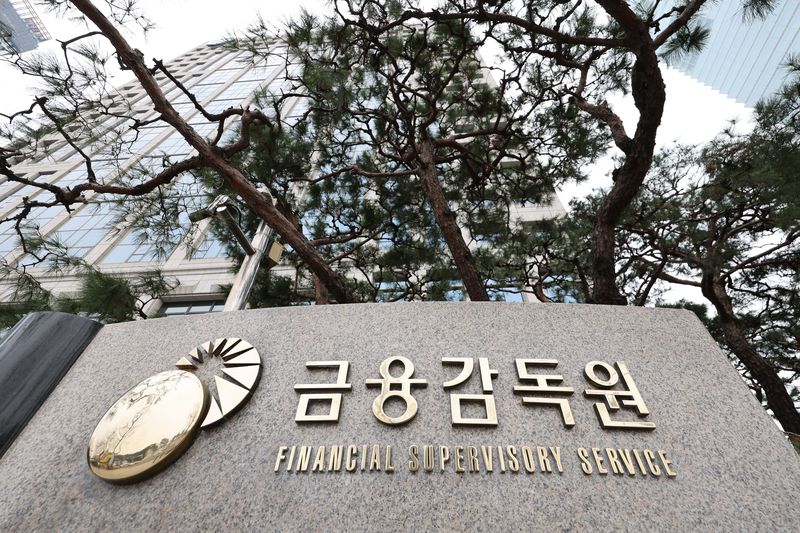
[Financial News] The Financial Supervisory Service (FSS) urged the securities industry to faithfully implement a self-regulatory plan to keep margin lending for each stock at no more than 15%. It also warned that it could introduce additional regulations if self-regulation is inadequate.
The FSS said on the 27th that it had held a meeting on strengthening self-regulation of margin lending in the securities industry jointly with the Korea Financial Investment Association, attended by chief risk officers (CROs) from 10 comprehensive financial investment firms.
The meeting was organized to encourage the effective implementation on the ground of recently established measures to strengthen self-regulation of margin lending. The securities industry agreed to cap total credit extensions at 90% starting on the 1st, and to keep margin lending for each stock at no more than 15% from the 19th.
Seo Jae-wan, the FSS’s assistant governor for financial investment, urged firms to prioritize investor protection and manage margin lending proactively even before completing their IT systems and incorporating the measures into internal regulations. He also expressed disappointment that the securities industry’s management of margin lending had been inadequate since the CRO meeting last June.
Assistant Governor Seo emphasized that firms should move away from mechanical, across-the-board management that does not take market conditions into account and instead actively manage margin lending with a view to the soundness of both firms and investors. He also noted that additional regulatory measures could be introduced if self-regulation is inadequate.
Margin loan balances rose from 35.7 trillion won at the end of last April to 38 trillion won at the end of May, before falling to 30.3 trillion won on October 22. The FSS warned that excessive growth in margin loan balances could lead to large-scale forced selling during a sharp drop in stock prices, potentially amplifying market shocks.
Some securities firms are lowering the basic limit from 300 million won to 200 million won for stocks with high concentrations of margin lending and restricting extensions of increased limits. Participants also shared examples of using robotic process automation (RPA) to monitor margin lending and stocks with sharp intraday price swings in real time, and of operating intraday monitoring systems that take liquidity, stock prices and margin loan balances into account.
The CROs from securities firms who attended the meeting expressed agreement on the need to strengthen margin lending management and said they would actively cooperate in implementing the self-regulatory measures. The FSS plans to work with the Korea Financial Investment Association to support effective management of the securities industry’s overall credit extension limits and the proportion of margin lending for each stock.
[email protected] Lee Jeong-hwa Reporter