[On-site video] Internal strife over 'Shincheonji Church of Jesus, the Temple of the Tabernacle of the Testimony (Shincheonji) allegations' intensifies... Han Min-soo: "Release the evidence"
- Input
- 2026-10-26 15:09:46
- Updated
- 2026-10-26 15:09:46
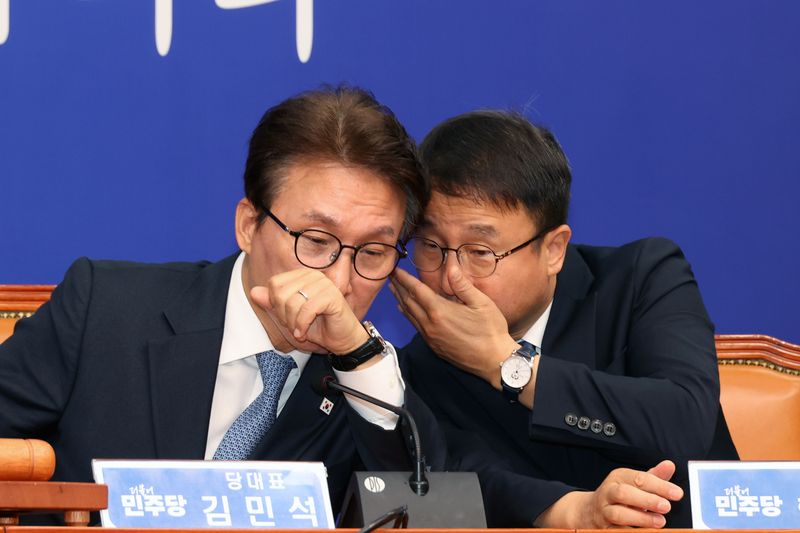
Pro-Cheong Supreme Council member Han Min-soo said at a Supreme Council meeting on the 26th that the pro-Cheong faction had neither raised nor brought into public debate the issue of a secret three-way alliance among anti-Myung forces, divisive factions, and Shincheonji. He reiterated his call for the investigation results to be announced and those responsible to be punished.
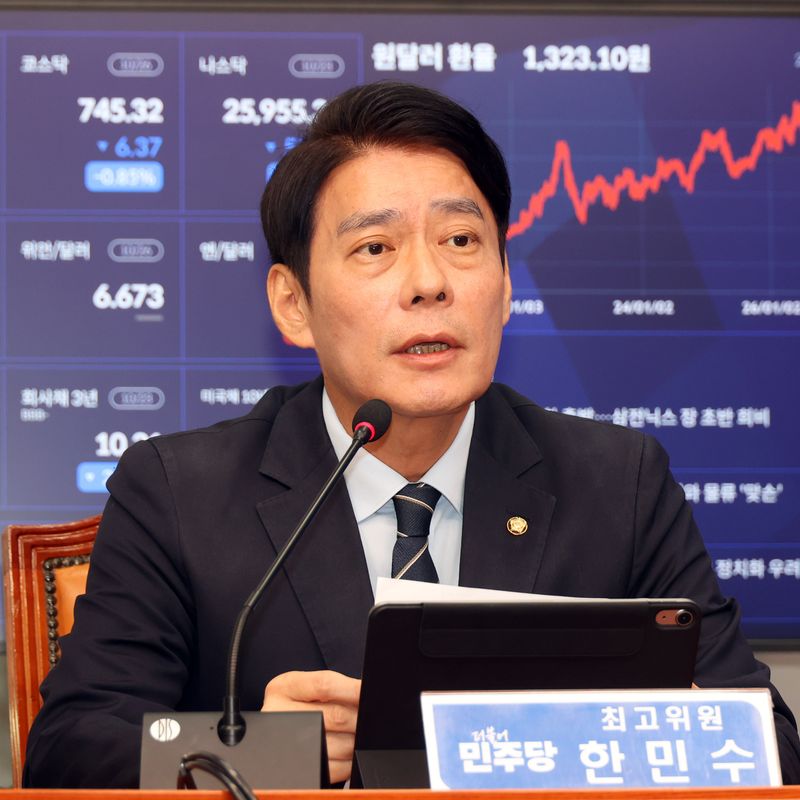
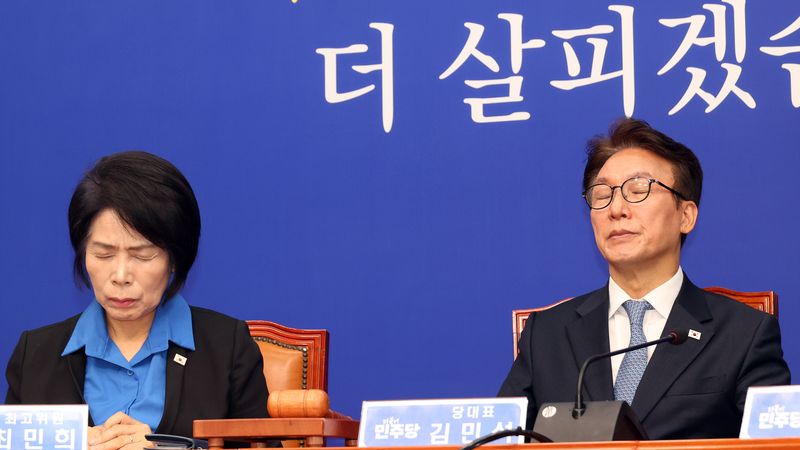
Han directly took aim at the allegations Kim had raised at the party convention. He claimed that at the preliminary party leadership primary held last July 20, a leading candidate for party leader said the essence of that convention was to break up a secret three-way alliance among anti-Myung forces, divisive factions, and Shincheonji. "The pro-Cheong candidates for the Supreme Council repeatedly demanded evidence at the time, but to this day, none has been provided," he said.
He went on to demand disclosure of whether Shincheonji members had joined the party in an organized effort, when they joined, and how many members had exercised their voting rights. He also called for the date when the party membership roll was cross-checked against the list of Shincheonji members to be disclosed. The argument is that determining whether there was organized interference requires verifying whether members participated in the party convention vote and whether they supported a particular candidate.
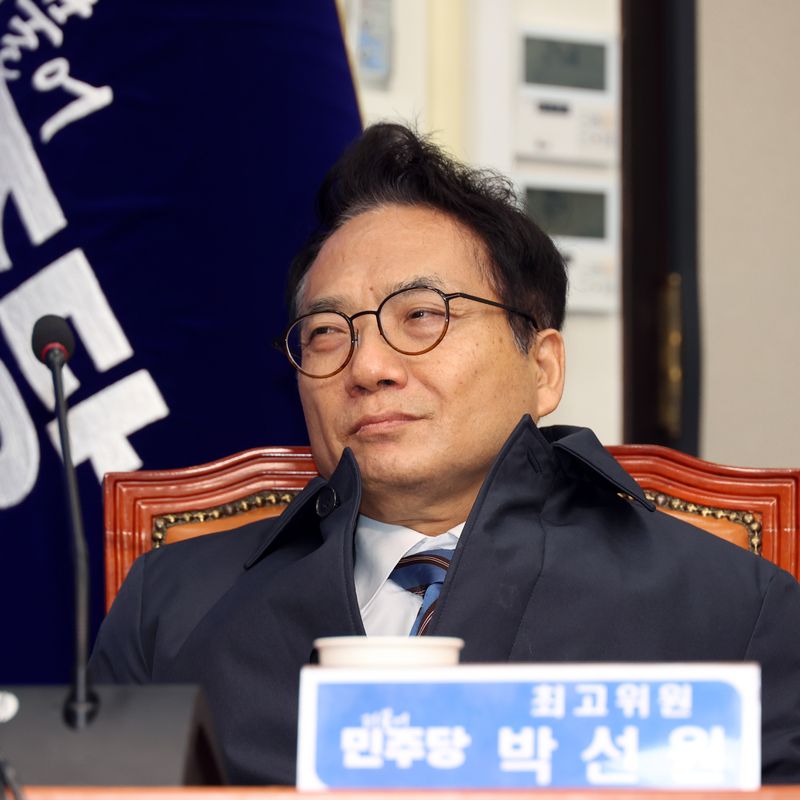
There were also a slew of complaints about the investigation process and the release of its findings. Han said that when Supreme Council member Park Sun-won, who was in charge of the investigation, gave an oral briefing on the investigation on October 2, "the explanation was one-sided and no materials were provided" and "although we requested further discussion, no separate meeting was arranged."
He also claimed, "The party leader urged strict confidentiality, so I did not contact any reporters, but starting on the 13th, numbers I had never even heard of began appearing in news reports." He also took issue with Kim's appearance on the party's official YouTube channel on the 14th, where Kim referred to "a substantial level of collective enrollment."
He strongly rejected criticism that the pro-Cheong faction was causing internal discord. Han said, "When we call for the reality of the three-way secret alliance to be exposed transparently and thoroughly, even heckling remarks like 'Make it public' are being made in an informal tone at open meetings."
He added, "When it's clear who the perpetrator and the victim are, how can this be a case involving both sides? This is not a clash between the pro-Seok (pro-Kim Min-seok) faction and the pro-Cheong faction; it's a demand for evidence," he stressed.
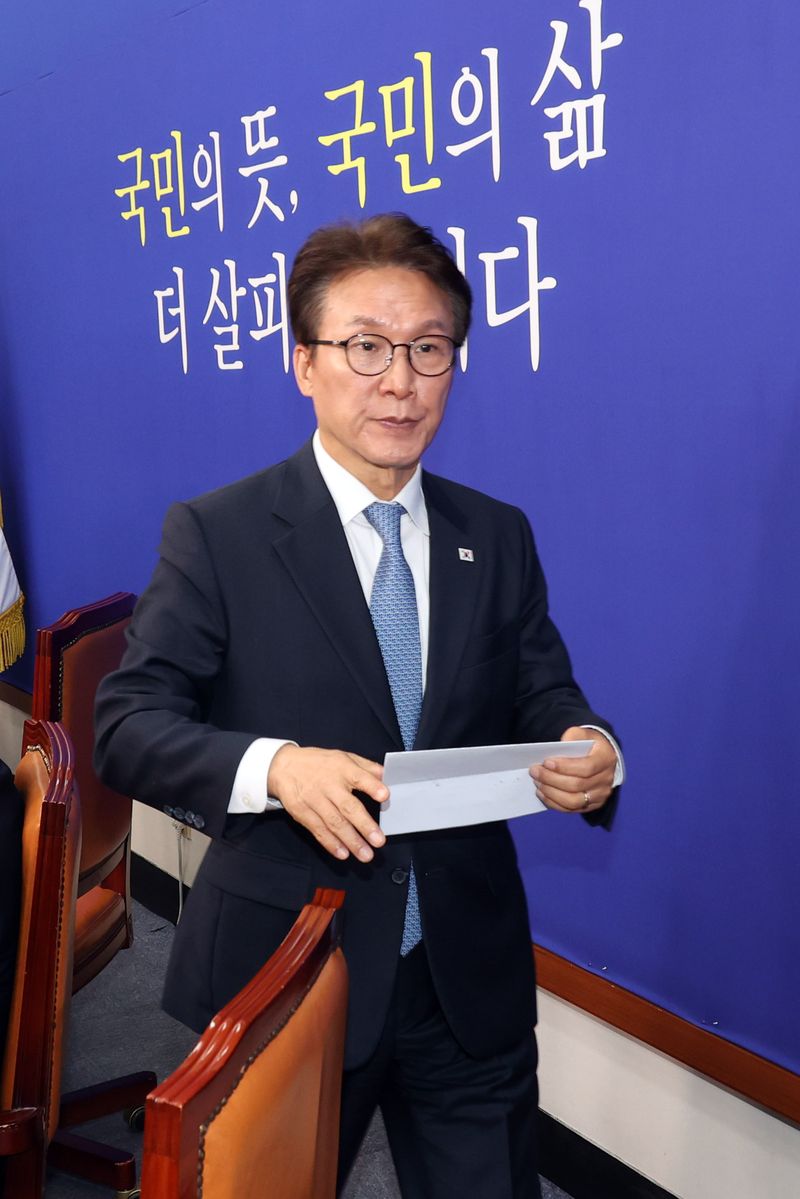
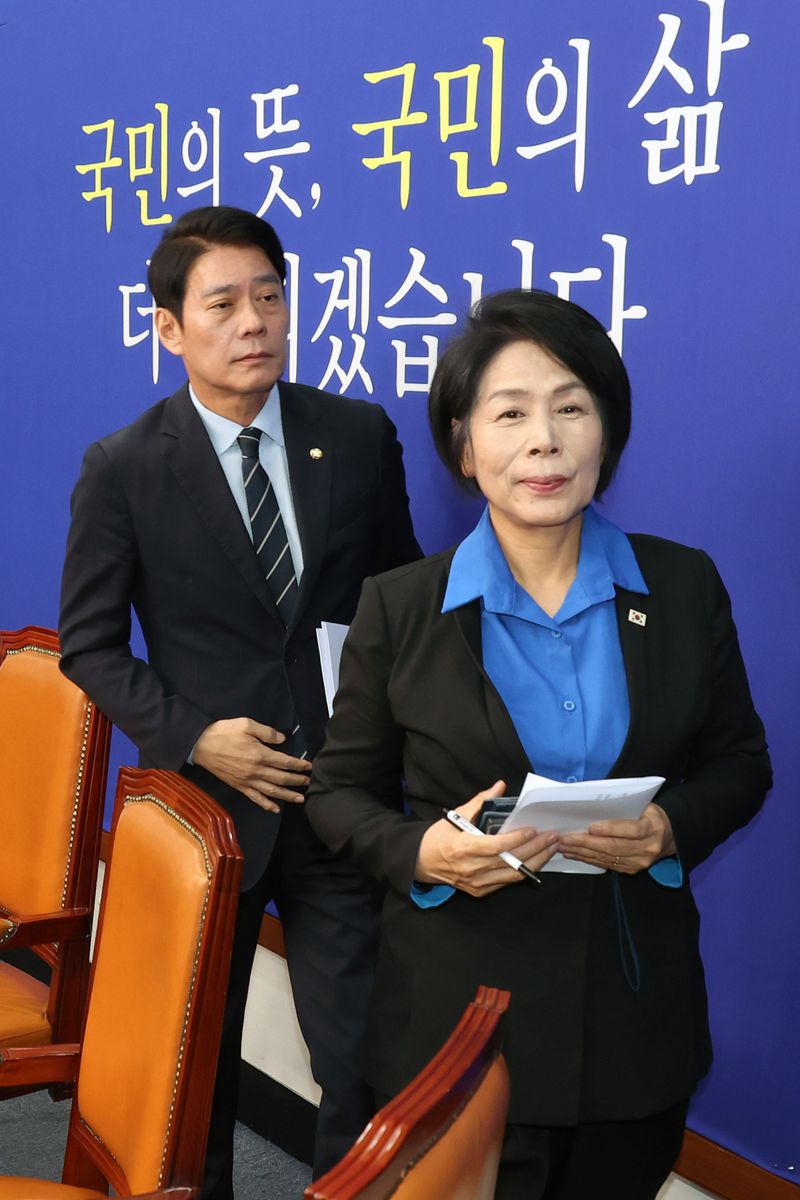
The controversy appears to be expanding beyond the allegations that Shincheonji members joined the party in an organized effort into an intra-party struggle for control over the grounds for raising the allegations, the transparency of the investigation, and whether its results will be made public. How much of the investigation results and the basis for the leadership's conclusions will be disclosed has emerged as a key issue that will shape the course of the conflict. Photo/video: Seo Dong-il

[email protected] Seo Dong-il Reporter