[Interview] “We will root out ‘lottery bidding’ and restore trust in ‘procurement prices’”
- Input
- 2026-10-26 15:23:13
- Updated
- 2026-10-26 15:23:13
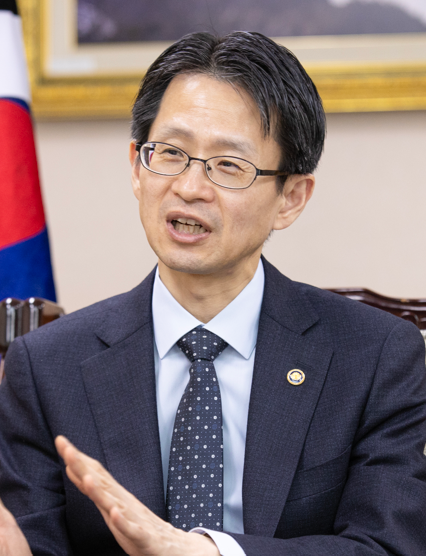
PPS Commissioner Baek Seung-bo (pictured) emphasized in an interview with this newspaper on the 26th that he would eliminate unreasonable practices in the public procurement market and create a more transparent procurement system. His remarks reflected his determination to make protecting companies’ legitimate opportunities to win contracts and creating a fair competitive environment the top priorities of procurement administration.
Commissioner Baek said, “We will stamp out conduct that undermines contractual order through indiscriminate bidding by illegal brokers, shell companies and others,” adding, “We will build a fair procurement ecosystem that ensures legitimate companies operating soundly even in difficult conditions are given a fair opportunity to win contracts.”
He identified curbing ‘no-questions-asked’ bidding by companies without the actual capacity to supply goods and ensuring ‘price appropriateness’ at KONEPS’s comprehensive shopping mall as key tasks for a fair procurement market. His point was that legitimate businesses should have the opportunity to win contracts through fair competition, and goods bought with taxpayers’ money should be supplied at reasonable prices.
The PPS is focusing its efforts on preventing indiscriminate bidding—so-called ‘lottery bidding’—before it happens, rather than relying solely on after-the-fact sanctions. The public procurement market has long faced criticism that ghost companies with no supply capacity and corporate brokers enter bids en masse, taking away legitimate businesses’ chances of winning contracts. Commissioner Baek said he would strengthen oversight throughout the process, from registration to participate in bidding through the bidding and contracting stages.
Starting on the 16th of next month, the PPS will require companies suspected of being paper companies to post bid bonds, establishing effective oversight from the point at which they enter the market. These include companies whose phone numbers are shared with another company or cannot be verified, those that have registered more than 500 items for supply, and those with no employees on their payroll.
The PPS will also tighten oversight of companies that routinely abandon contract-award reviews. It plans to restrict the bidding eligibility of companies that fail to submit review documents or abandon a review without a legitimate reason by the end of the year.
The PPS is also accelerating reforms to strengthen confidence in procurement prices.
While noting that public procurement is not simply a market for buying cheap products, Commissioner Baek stressed that prices must be reasonable and transparent, given that taxpayers’ money is involved.
The PPS verifies that products listed in the KONEPS shopping mall are priced appropriately, using prevailing market prices as a benchmark. It plans to prevent overpriced purchases through a three-pronged oversight system involving electronic tax invoice analysis, private-sector price monitoring and operation of a reporting center. Next year, it plans to launch an ‘AI-based price management system’ to respond more quickly and precisely to changes in market prices.
“Public procurement is a market that pursues a range of public-interest values, including ensuring fair prices, protecting SMEs and disadvantaged businesses, and promoting technological development,” Commissioner Baek said. “By preventing indiscriminate bidding before it happens, we will guarantee businesses a fair chance to compete and, through rigorous price verification, deliver the value of reasonable public purchasing to the public.”
[email protected] Kim Won-jun Reporter