Indonesian Authorities Tighten Banks’ Free-Float Rules; Responses from Nobu, OK and IBK in Focus
- Input
- 2026-10-26 15:47:34
- Updated
- 2026-10-26 15:47:34
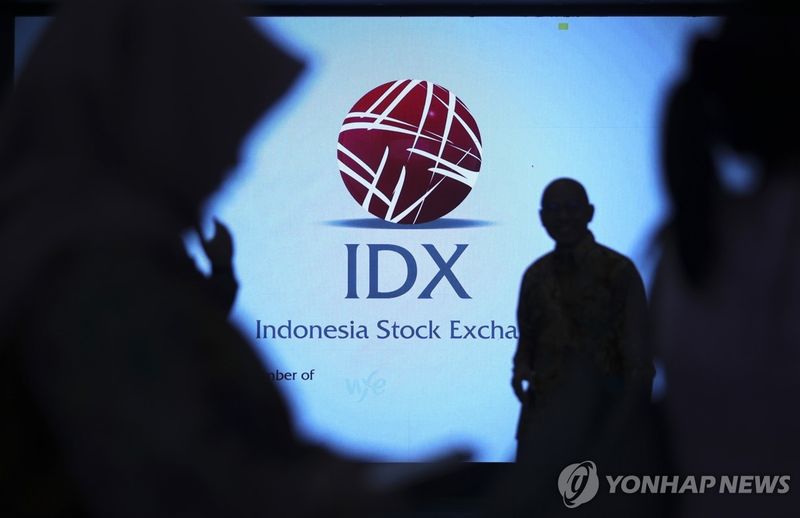
【Jakarta, Indonesia—Correspondent Aulia Maulida Hamdani】As Indonesia’s stock exchange tightens its minimum free-float requirements, Korean-affiliated banks, including Nobu Bank Indonesia, OK Financial’s Indonesian entity and IBK Industrial Bank of Korea’s Indonesian entity, are taking steps to meet them.
According to local media reports on the 26th, the Indonesia Stock Exchange (IDX) implemented a rule raising the minimum free-float requirement for listed companies to 15%, effective March 31, 2026. However, the deadline is not the same for all companies; they are to meet the requirement in phases, based on criteria such as each company’s free-float ratio and market capitalization.
As a result, 26 listed banks were found to be below the minimum free-float requirement as of August 31, 2026. Of these, 10 must raise their free-float ratio to 12.5% by March 31 next year, while two must reach 15% by the same date. The remaining 14 are required to reach 15% by March 31, 2029.
Among the Korean-affiliated banks, Nobu Bank Indonesia has a relatively low free-float ratio of 7.34% and needs to raise it by 7.66 percentage points to reach the 15% threshold. IBK Industrial Bank of Korea’s Indonesian entity is also short of its target by 7.45 percentage points, with a ratio of 7.55%. Both banks are said to be considering how to increase their free float. OK Financial’s Indonesian entity has a free-float ratio of 7.53% and needs to raise it by 7.47 percentage points to reach the minimum threshold of 15%.
Efdinal Alamsyah, director in charge of compliance at OK Financial Indonesia, said the company must meet the requirement by 2029 and was “considering a capital increase or seeking strategic investors willing to invest.” He explained that responding to the regulation could prove difficult if investor participation is low or demand for a capital increase is insufficient.
Ways to increase the free-float ratio include a capital increase through the issuance of new shares and the sale of some shares held by existing major shareholders. However, a capital increase requires investor participation, while sales of existing shares may be affected by major shareholders’ ownership structures and market conditions. Banks are therefore likely to need to develop response plans that take into account their need to raise capital, shareholders’ interests and market conditions.
Meanwhile, Indonesia’s Financial Services Authority (OJK) is monitoring listed banks’ compliance with the free-float requirements. OJK senior banking supervision official Dian Ediana Rae said, “Each bank is consulting with shareholders and stakeholders and preparing the necessary corporate actions,” adding, “Supervision and follow-up measures for non-compliance with the regulations will be carried out in accordance with the relevant rules.”
OJK is monitoring compliance in coordination with relevant bodies, including the Indonesia Stock Exchange (IDX) and the Central Securities Depository (KSEI), and is also supporting consultations to help banks develop responses suited to their individual circumstances. The authorities are encouraging banks to meet the requirements within the grace period while calling for a phased and cautious approach to ensure that efforts to increase free float do not undermine banks’ operational stability or the protection of investors and customers.
[email protected] Correspondent Aulia Maulida Hamdani Reporter