“Citizens take center stage”: Wonju Mandu Festival breathes life into old downtown and traditional markets
- Input
- 2026-10-26 12:24:34
- Updated
- 2026-10-26 12:24:34
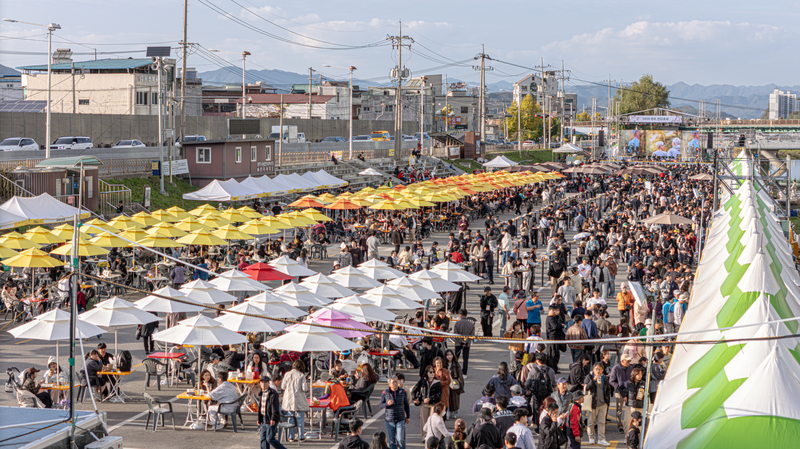
【Financial News, Wonju—Kim Gi-seop】After moving the festival grounds that had blocked roads to Wonju Stream and doing away with opening remarks and congratulatory speeches, the Wonju Mandu Festival wrapped up after filling the old downtown and traditional markets with visitors over three days.
According to Wonju City on the 26th, this year's Wonju Mandu Festival, hosted by the city and organized by the Wonju Cultural Foundation, was held from the 23rd to the 25th around Wonju Stream and Culture Street, drawing an enthusiastic response from residents and tourists. Now in its fourth edition, this year's festival overhauled its operations with a focus on residents' convenience and the shared prosperity of local businesses, and the changes are seen as having produced tangible results.
The most noticeable change was the festival venue. Moving the festival grounds, which had been centered on Wonil-ro until last year, to the area around Wonju Stream eased the inconvenience to residents caused by road closures and allowed them to enjoy the festival in a more spacious setting.
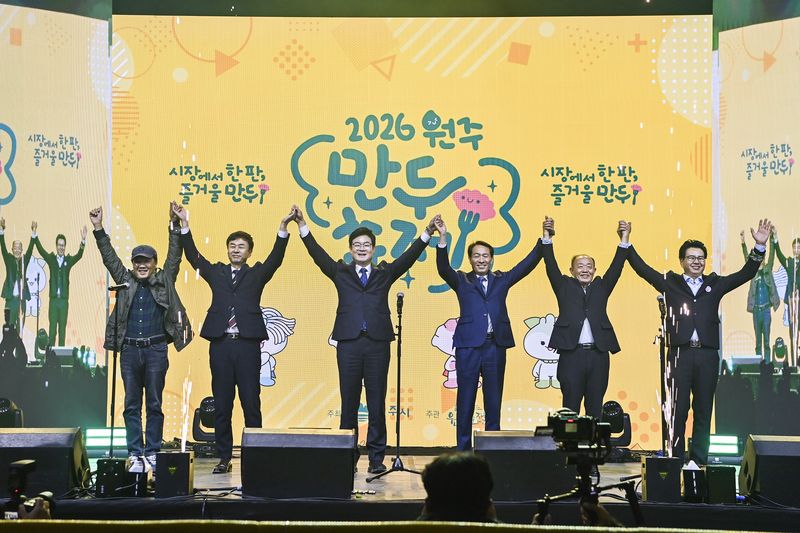
The opening ceremony also shed its formalities. Instead of ceremonial proceedings such as opening remarks and congratulatory speeches, residents in attendance joined hands and declared the festival open, earning praise as an opening ceremony with residents at its center. The Nakhwa Nori firework display, with sparks scattering over Wonju Stream, also offered visitors a distinctive spectacle.
Conveniences for eating and spending time at the festival also improved. A new system for ordering food by QR code and kiosk was introduced, and dining areas were expanded. Shuttle buses ran between the festival grounds and major locations, including Wonju Station, the intercity bus terminal, City Hall and Innovation City, while temporary parking was also provided. These measures improved access while easing traffic congestion and parking shortages downtown.
The festival's energy spread to nearby traditional markets. Routes connecting the festival grounds with the markets were established, and visitors naturally made their way to the markets and shopping streets through traditional market tours, stamp tours and receipt-linked events. The festival demonstrated the potential for it and the local business district to grow together.
The city plans to objectively assess the festival's results by analyzing telecommunications companies' visitor data, card companies' sales data, QR-code order records from the festival grounds, aerial photography and other information. It intends to use the findings to identify operational strengths and areas for improvement and raise the quality of the next festival.
“Many people were willing to join us in moving the festival grounds to Wonju Stream instead of holding it on roads and making the opening ceremony resident-centered,” Wonju Mayor Gu Ja-yeol said. “Rather than expanding the festival, we will use data analysis to address shortcomings so that its energy spreads to traditional markets and shopping streets and it becomes a festival residents cherish.”
[email protected] Kim Gi-seop Reporter