A cure for pancreatic cancer, the “silent cancer” ... What do patients who beat it have in common?
- Input
- 2026-10-26 09:59:38
- Updated
- 2026-10-26 09:59:38
[Financial News] The field of pancreatic cancer, often called the “silent cancer,” is drawing widespread attention after a meaningful case of pancreatic cancer being cured was reported. Recently, Korean cuisine researcher Shim Young-soon, 86, revealed on a broadcast that she had overcome pancreatic cancer and been declared cured after being diagnosed with it at the age of 70, renewing interest in the prospects for pancreatic cancer treatment and in maintaining physical strength.
Medical experts stress that combining sophisticated medical treatment with the physical conditioning and nutritional care needed to withstand cancer treatment can bring patients one step closer to a cure.
■ Shim Young-soon’s secret to overcoming pancreatic cancer: tailored nutritional support that eases the burden on digestion
After being diagnosed with pancreatic cancer at 70, Shim Young-soon ate every day a vegetable soup simmered for a long time with 12 kinds of vegetables, including potatoes, carrots, tomatoes, cabbage, and celery, while receiving devoted care from her second daughter. Alongside standard medical drug treatment, this helped her; just over a year later, she was declared cured, with the cancer cells gone.
Experts say that in Shim’s case, dietary management that took the pancreas’s physiological characteristics into account played a very important supportive role. The pancreas is a key organ that secretes various digestive enzymes to help digest food. When cancer develops, digestive function can deteriorate significantly, making it difficult to absorb food properly and increasing the risk of severe weight loss or nutritional deficiencies. In these circumstances, vegetable soup made by simmering a variety of vegetables for a long time eases the digestive burden on the gastrointestinal tract while improving the absorption of vitamins and antioxidants the body needs.
Cruciferous vegetables such as cabbage and broccoli are rich in sulforaphane, a potent anticancer compound. A study published in the international journal World Journal of Surgical Oncology reported that the group with the highest intake of cruciferous vegetables had an approximately 22% lower risk of pancreatic cancer than the group with the lowest intake.
The director of the Pancreatic and Biliary Center at On Hospital in Busan, Park Eun-taek, explained on the 26th that “although dietary management cannot be the primary treatment that directly kills cancer cells, it serves as an essential supportive therapy by helping maintain patients’ immunity and muscle mass so they can withstand powerful chemotherapy or major surgery through to the end.”
Director Park recommends that “because pancreatic cancer patients experience a sharp decline in digestive enzyme secretion, it is preferable to eat small portions of soft foods that are easy to digest frequently, rather than simply consuming high-protein, high-calorie foods.”
■ Five-year survival rates rise sharply when surgery follows early diagnosis
According to the Ministry of Health and Welfare’s National Cancer Registration Statistics, the five-year relative survival rate for pancreatic cancer patients in South Korea is around 16.6%, still low compared with the average survival rate for all cancers, which exceeds 70%.
This is because the pancreas is located deep behind the peritoneum, making it very difficult to detect the disease early. By the time patients seek medical attention for symptoms such as jaundice, rapid weight loss, pain in the upper abdomen or back, or a sudden worsening of diabetes, the disease has already advanced to stage III or later in more than 80% of cases.
However, treatment outcomes differ markedly by stage. If the cancer is found at stage I or early stage II, while the cancer cells are confined to the pancreas, the five-year survival rate can rise to 40–50% or higher. By contrast, survival rates drop sharply in stage III or IV cases, when the cancer has invaded major nearby blood vessels or spread to other organs.
Fortunately, recent advances in medical technology have brought major changes to the treatment landscape for pancreatic cancer.
Recent progress in developing targeted therapies and new anticancer drugs has been remarkable. As targeted therapies aimed at KRAS gene mutations, which are observed in more than 90% of pancreatic cancer patients, and immunotherapy are combined with precision medicine, survival times are increasing significantly for patients with advanced or metastatic pancreatic cancer that was once difficult to treat.
Irreversible electroporation (IRE, NanoKnife), a minimally invasive local treatment technique that uses high-voltage electrical pulses to selectively destroy only cancer-cell membranes without damaging nearby major blood vessels, has been introduced for patients with inoperable stage III locally advanced pancreatic cancer, helping overcome the limitations of inoperability.
Advanced precision robotic surgery is also improving the outlook for overcoming pancreatic cancer. Robotic surgical systems based on laparoscopy and 3D augmented reality (AR) are being actively introduced for pancreatic resection, which was once highly complex and risky. They help patients recover sooner by reducing bleeding during surgery and minimizing complications.
■ What are the key characteristics of patients declared cured of pancreatic cancer?
Medical teams have identified several clear commonalities among patients who recover from pancreatic cancer.
First, successful surgical resection (R0 resection). The most fundamental treatment offering the prospect of a cure for pancreatic cancer is surgery to remove the tumor completely. Even among patients who were considered inoperable at diagnosis, cases in which preoperative neoadjuvant chemotherapy or radiation therapy first shrinks the tumor and is followed by successful surgery with curative intent have increased considerably in recent years.
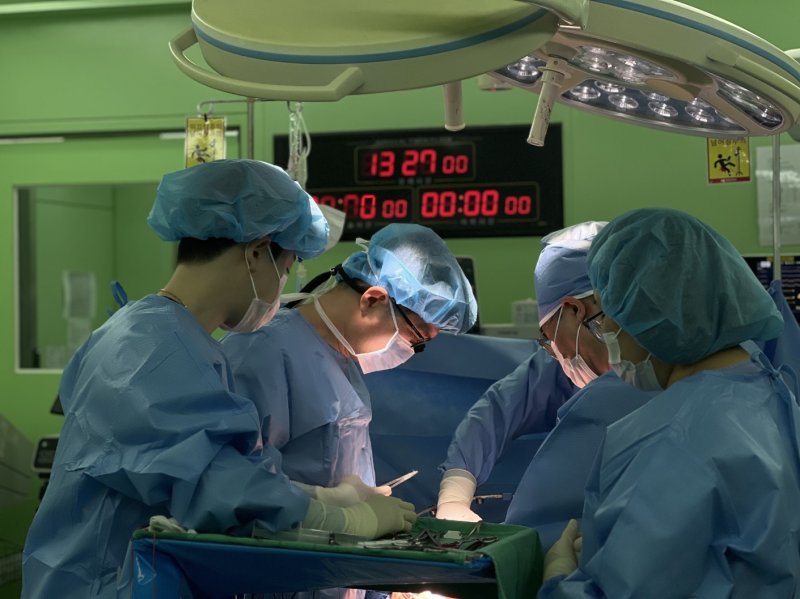
Professor Kim Geon-guk of the Department of Hepatobiliary and Pancreatic Surgery at On Hospital in Busan said, “Major blood vessels, including the celiac plexus and the superior mesenteric artery, are densely concentrated around the pancreas, making surgery extremely challenging.” He added, “Thanks to the combination of precision robotic surgery and effective neoadjuvant anticancer drugs, a growing proportion of stage III patients who were once considered inoperable are now undergoing successful tumor resection and achieving a cure.”
Second, completing the full course of standard anticancer treatment. Even when surgery is performed perfectly, microscopic cancer cells may remain undetected. Recurrence rates are markedly lower among patients who complete postoperative adjuvant chemotherapy without interruption.
Third, actively maintaining weight and muscle mass. Patients who overcome vomiting, loss of appetite, and cachexia during cancer treatment and maintain their weight and muscle mass can reach the stage of being cured without interrupting treatment.
■ On Hospital Cancer Rehabilitation Center: “The three pillars of regular checkups, tailored treatment, and nutritional care”
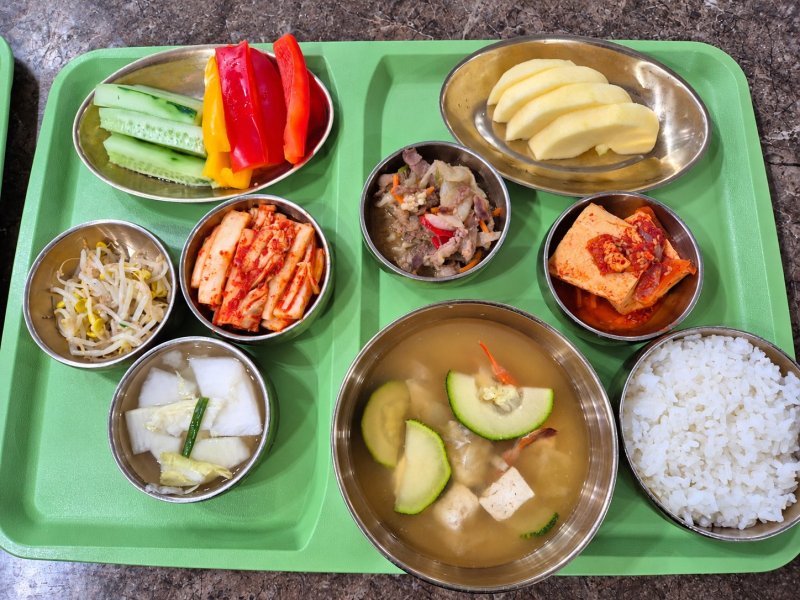
The case of culinary researcher Shim Young-soon vividly demonstrates the treatment synergy that can result when patients and caregivers provide devoted nutritional care alongside the professional standard treatment delivered by medical teams.
Yoo Hong, head of medical services at On Hospital’s Cancer Rehabilitation Treatment Center, said, “Pancreatic cancer remains a threatening disease, but treatment outcomes are steadily improving thanks to advances in diagnostic technologies such as endoscopic ultrasound and high-resolution CT, progress in neoadjuvant treatment, and the establishment of sophisticated robotic surgery and local therapies.” Yoo added, “For high-risk people who suddenly develop diabetes or have a family history of the disease, regular checkups for pancreatic and biliary conditions are important. For patients undergoing treatment, not giving up and working with medical specialists to develop a systematic treatment plan and diet is the surest path toward a cure.”
[email protected] Byun Ok-hwan Reporter