Daejeon taxi base fare to rise to 4,800 won — first increase in more than three years starting on the 1st of next month
- Input
- 2026-10-26 09:19:30
- Updated
- 2026-10-26 09:19:30
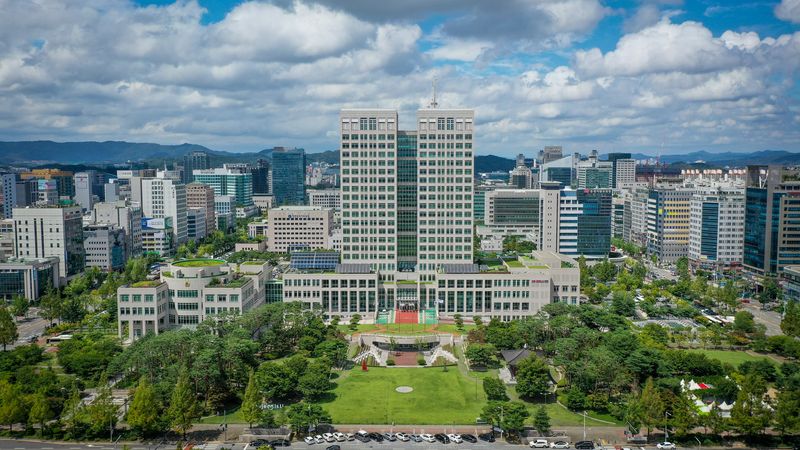
Daejeon City announced on the 26th that it will adjust taxi fares as follows starting November 1. Under the adjustment, the base fare for midsize taxis will rise from 4,300 won (for 1.8 km) to 4,800 won (for 1.65 km), shortening the base distance. The distance fare will change from 132 meters to 125 meters per 100 won, and the time fare from 33 seconds to 29 seconds per 100 won. As the distance and time passengers can travel for the same fare will decrease, the burden they feel could be greater than the increase in the base fare alone.
The base fare for deluxe and large taxis will rise from 5,500 won (for 3.0 km) to 6,000 won (for 3.0 km). Distance and time fares will remain unchanged at 111 meters and 27 seconds per 200 won, respectively.
In March, Daejeon City had kept base, distance, and time fares unchanged, adjusting only late-night and combined surcharges first, in consideration of difficult economic conditions and the burden on residents. This time, it determined the scale of the adjustment after weighing the rise in operating costs, the taxi industry's business conditions, and the financial burden on residents.
A study estimating operating costs found that the factors warranting a fare increase amounted to 13.5% compared with current fares, while the taxi industry called for an average increase of 12.1%. Taking into account the burden on residents and the impact on prices, the city set the average increases at 11.4% for midsize taxis and 2.8% for deluxe and large taxis. The decision was finalized after review by the Transportation Committee on September 22 and the Consumer Policy Committee on October 15.
A base fare of 4,800 won is a level already adopted by other major cities. In February 2023, Seoul raised the base fare for midsize taxis from 3,800 won to 4,800 won, shortening the base distance from 2 km to 1.6 km and also adjusting the distance fare (from 132 meters to 131 meters per 100 won) and the time fare (from 31 seconds to 30 seconds per 100 won). Daejeon's approach is also seen as close to the Seoul model, combining a base-fare increase with a shorter base distance and changes to distance and time fares.
Meanwhile, labor and management in the regular taxi sector agreed to keep standards related to transport revenue unchanged for six months, using the fare increase as an opportunity to stabilize drivers' incomes and improve their working conditions. They also agreed to work together to improve service, including courteous and safe driving.
Daejeon City plans to work with the taxi industry to improve service, including courteous and safe driving, and to continue strengthening inspections of driving practices and oversight of legal violations.
Park Seung-won, head of Daejeon City's Transportation Bureau, said, “As the taxi fare increase will add to the burden on residents, service improvements commensurate with it must follow.” He added, “Together with the taxi industry, we will work to create a courteous and safe operating environment so residents can experience better taxi service.”
[email protected] Kim Won-jun Reporter