The day a set of travel books turned into a box of ramen... Life and freedom through Moon Chung-hee’s poetry [fn Book Briefing]
- Input
- 2026-10-26 07:30:00
- Updated
- 2026-10-26 07:30:00
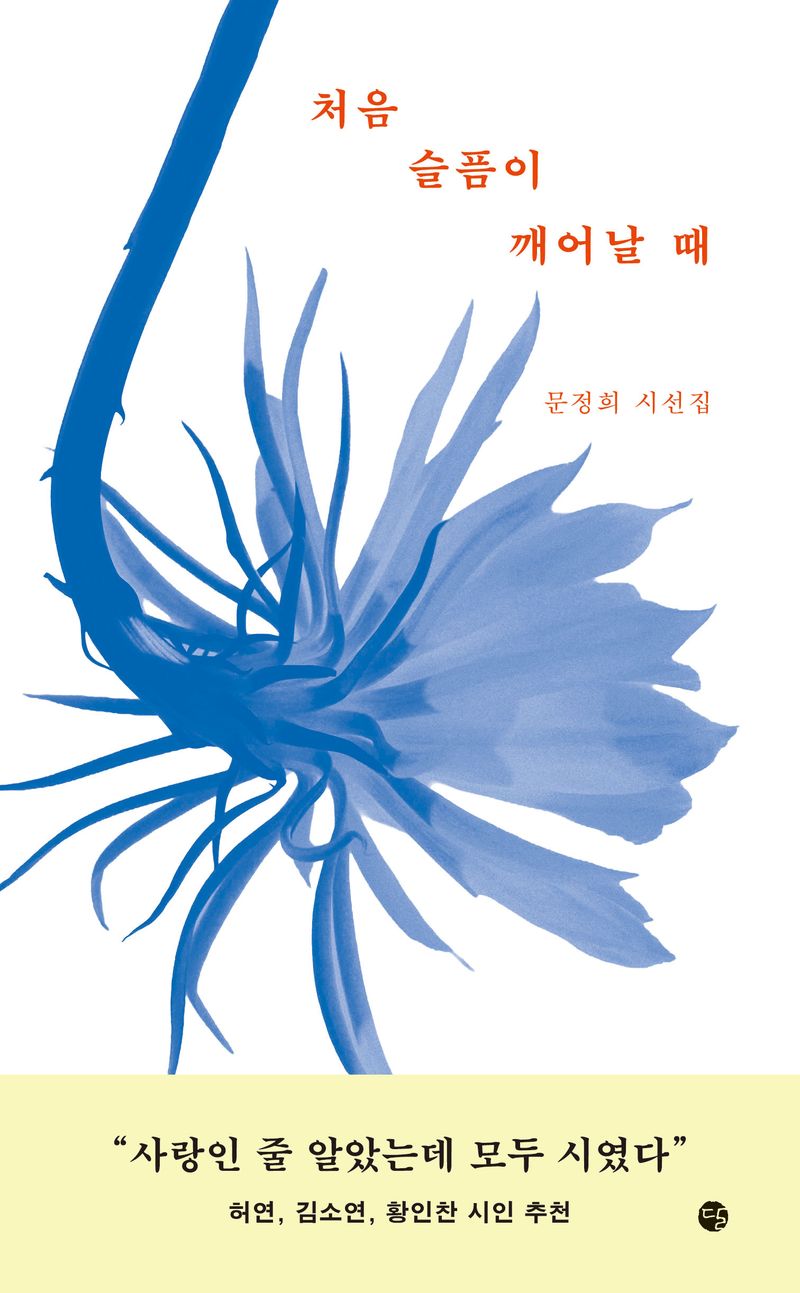
The voice seeking to speak for itself about its own life and body is equally clear. In “A Mother’s Letter,” a mother tells her daughter, “Your life is your own.” Her urging to let all the fire burning in the heart and body burn fully conveys a refusal to suppress women’s desires.
In her endorsement, poet Kim So-yeon described Moon Chung-hee’s poetry as “the first time the Korean language spoke of a woman’s body in its own voice.”
Personal freedom also becomes a voice directed at the times. “With a Pen of Pure Silver—For the Poets of This Land” depicts the moment when the language of poetry rises like the tolling of a bell amid forces that choke the breath and a monsoon of unfreedom. In “The Poet’s Words,” Moon Chung-hee recalled, “Chaos and wounds all returned as the intense flesh of poetry.”■ Poems that embrace joy and pain togetherIn “Peeling Strawberries,” conflicting sensations overlap even in a familiar fruit. The children sense God’s handiwork as they eat strawberries, but the speaker trembles, thinking of poison that no amount of washing can remove. As the strawberry is cut with a knife, its beauty and the pleasure of eating it seem to be cut away too.
“The Side of Life” looks back on a life in which long hours of each day must be filled with work. After lamenting that romance, singing or drinking cannot go on for eight hours, the poem unfolds an image of someone happily wrapping pain in a cloth and unwrapping it. In a tone that mingles complaint and laughter, pain and pleasure become intertwined.
“Farewell, Butterfly” gazes at life that cannot help but disappear. The poem calls the process of rotting into soil dazzling, and embraces as a blessing the possibility of loving passionately while alive before vanishing without a trace. Knowing that life is finite makes love in the present more urgent.
In his endorsement, poet Hwang In-chan called the resolve to love life despite knowing its pain “gentle strength.” Moon Chung-hee wrote, “I dedicate this collection to readers who are sad and beautiful.”
[email protected] Jang In-seo Reporter