“Brought in for 700 million won, but done after just four games”... Hong Geon-hee’s disastrous failure stings KIA, but Cho Sang-woo still gives it reason to smile
- Input
- 2026-10-25 19:45:00
- Updated
- 2026-10-25 19:45:00
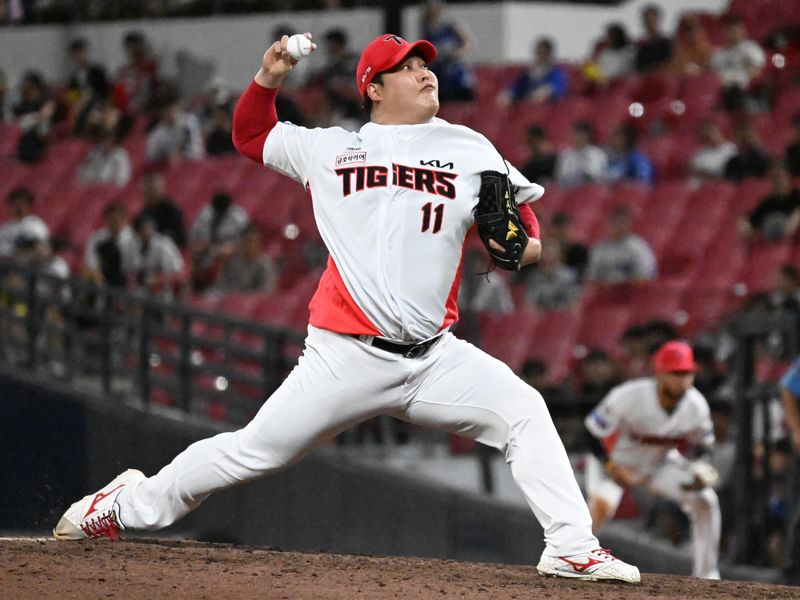
[Financial News] In the unforgiving world of professional sports, the fortunes of offseason investments are starkly reflected in the numbers on the field. The Kia Tigers front office’s report card for opening its wallet last winter to rebuild the bullpen was likewise clearly split between half failure and half resounding success.
On the 23rd, KIA removed six players, including veteran reliever Hong Geon-hee, Ko Jong-wook and Lee Chang-jin, from its retained-player list and notified them of their release. The most painful name, by far, was Hong. Last January, he signed a one-year deal worth up to 700 million won with his former team KIA (650 million won in salary and 50 million won in incentives), hoping to revive his career. The result was dismal. He made just four appearances in the first team. He left with a meager line of four innings, one hold and a 4.50 ERA, departing before even completing a year. Given the potential value of the deal—700 million won—it was an investment with no excuse for failure.
But even after the painful release debacle, KIA has reason to smile: there is a clear example of a resounding success.
That success is Cho Sang-woo, whom KIA signed to a two-year deal worth up to 1.5 billion won (500 million won in signing bonus, 800 million won in salary and 200 million won in incentives).
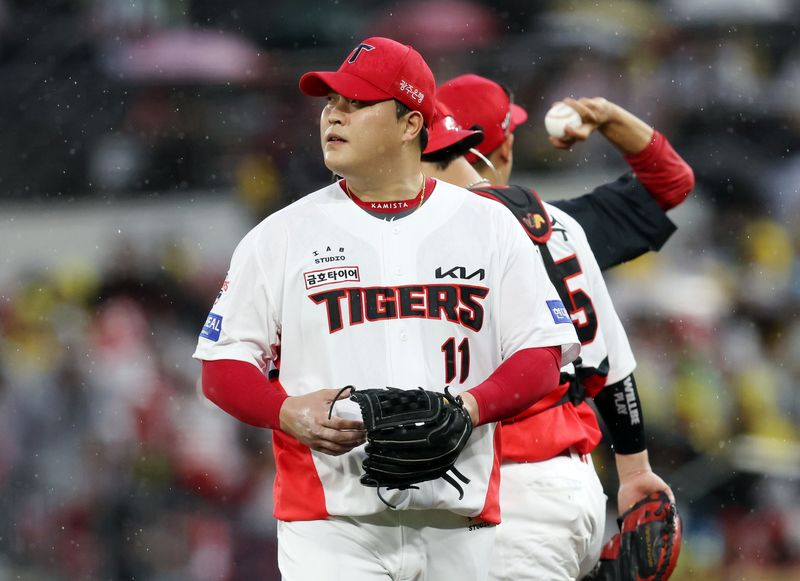
Annualized, Cho Sang-woo’s contract is worth around 750 million won, not much different from Hong Geon-hee’s one-year deal worth 700 million won.
But their contributions were worlds apart. While Hong could barely get on the mound, Cho appeared in an impressive 72 games and pitched 63 innings, recording eight wins, four losses, one save, 21 holds and a 3.29 ERA. He led the team in holds and was the bullpen’s indispensable anchor, helping lift the team from eighth to third place.
Another saving grace was the KIA front office’s “risk management.” KIA gave Hong a one-year deal instead of a multi-year contract, minimizing the financial burden it would have had to bear if he struggled. The failure stung, but the loss was limited to one year.
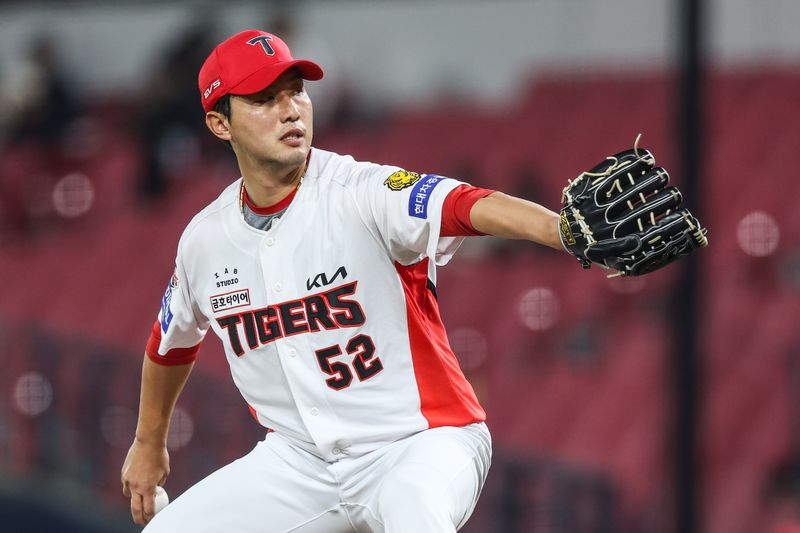
By contrast, Cho Sang-woo’s contract included a performance-based “conditional opt-out” clause (negotiations for a multi-year, non-free-agent contract after the 2027 season; if negotiations fail, he can move to another team).
It was a smart safeguard: clear motivation for the player, while allowing the club to avoid the risks of a high-value, long-term contract. As a result, Cho rebounded as one of the league’s top setup men.
KIA, which suffered the indignity of a 5.22 bullpen ERA (ninth) and 37 blown-lead losses last season, invested a total of 4.2 billion won in Cho Sang-woo (1.5 billion won), Kim Beom-soo (2 billion won) and Hong Geon-hee (700 million won), even at the cost of giving up on free-agent position players Choi Hyung-woo and Chan Ho Park. Although Kim struggled (13 holds, 5.63 ERA) and Hong was released, KIA at least achieved its objective by landing a sure thing in Cho.
Now, the stage remains for him to prove his true worth.
KIA will face the Samsung Lions, whose lineup boasts tremendous firepower with Lewin Díaz, Choi Hyung-woo and Koo Ja-wook, in the playoffs for a place in the Korean Series.
Cho Sang-woo’s shoulders, as he must defuse the opposition’s biggest threats before closer Jeon Sang-hyun takes over, are heavier than ever. Leaving behind the bitter 700-million-won signing that was over after just four games, KIA’s fall campaign rests on the arm of its 1.5-billion-won signing, who pitched in 72 games.
[email protected] Jeon Sang-il Reporter