“South Korea over Tokyo” ... Aero K’s Cheongju–Matsuyama Route Puts Japanese Demand in Focus
- Input
- 2026-10-26 07:59:00
- Updated
- 2026-10-26 07:59:00

“Matsuyama residents may think it is better to go to South Korea than to Tokyo.”
[Financial News, Ehime Prefecture—Reporter Kim Yun-ho]That is the outlook offered by a travel industry official. Aero K and Ehime Prefecture are planning to jointly support young Japanese people traveling to South Korea. Taking the support into account, international flights to South Korea could cost less than domestic flights in Japan or train and bus fares to destinations such as Tokyo. Seeing not only growing demand for trips to smaller Japanese cities but also the potential for more Japanese residents to travel to South Korea, Aero K will launch a new Cheongju–Matsuyama route next year.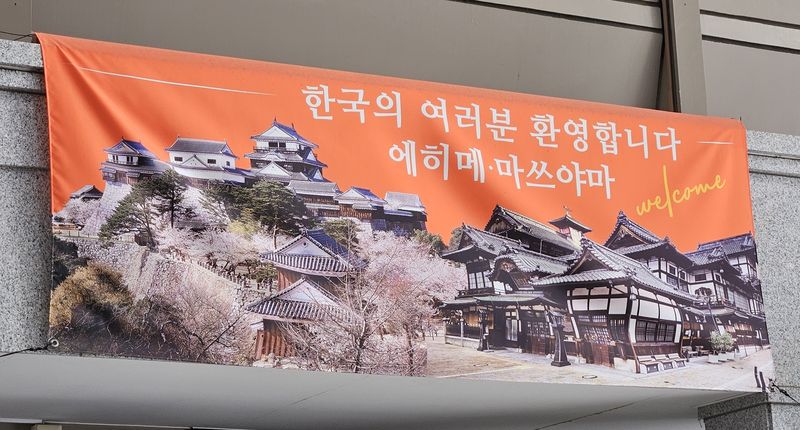
Japan’s Smaller-City Travel Boom ... Ehime Prefecture Ready to Welcome Visitors with ‘Free Coupons’ and More
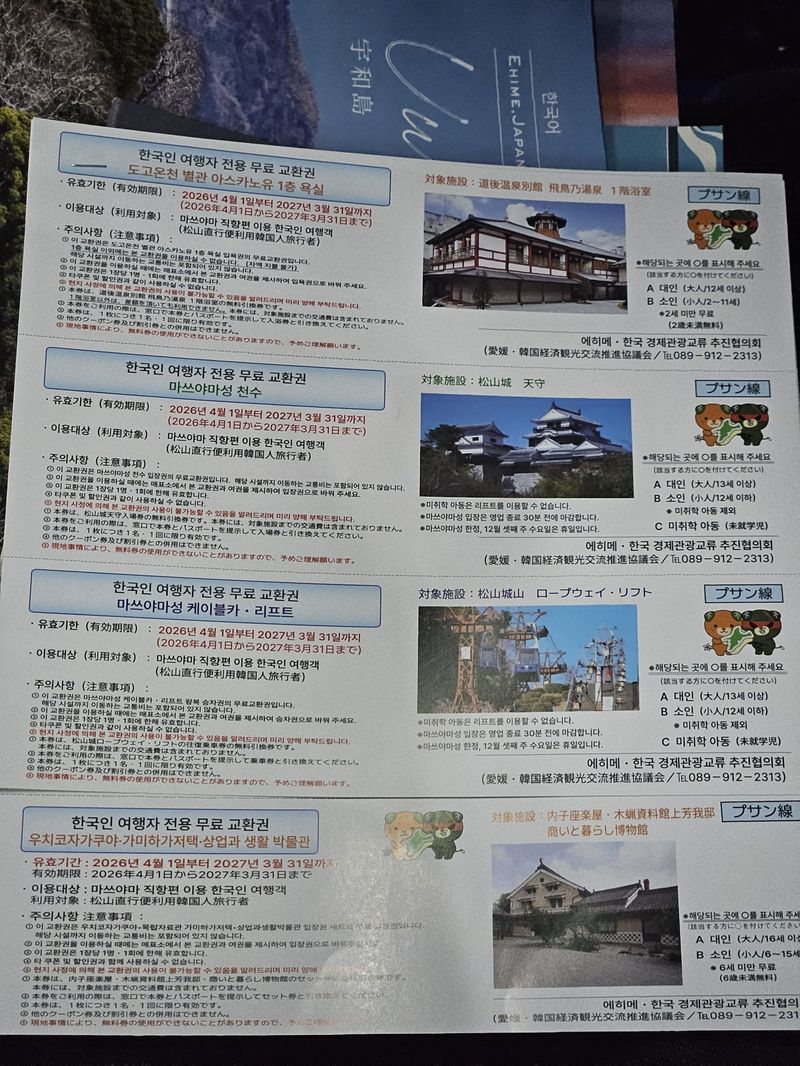
According to Aero K on the 26th, it will begin regular service on the Cheongju–Matsuyama route, which it had operated with charter flights, starting January 2 next year. Flights will operate three times a week, on Tuesdays, Thursdays and Saturdays. Aero K is focused not only on the load factor of nearly 90% on its charter flights to date, but also on Ehime Prefecture’s active efforts to attract Korean tourists and its willingness to support Japanese residents traveling to South Korea.At the information desk at Matsuyama Airport, which we visited with the cooperation of Ehime Prefecture, stacks of coupons for Korean tourists are available. They are free passes to major attractions including Matsuyama Castle, Dogo Onsen and the Towel Museum. Only Korean travelers arriving on direct flights to Matsuyama are eligible.
In Matsuyama, Korean-language signs are placed throughout the city, from the airport to major tourist attractions and downtown commercial districts. Korean text appears not only on directional signs but also in various brochures and maps, as well as longer explanations and guides. In the commercial district around Dogo Onsen, which we visited with the cooperation of Ehime Prefecture, a banner at the entrance caught the eye with a message written only in Korean: “Welcome, visitors from Korea.”
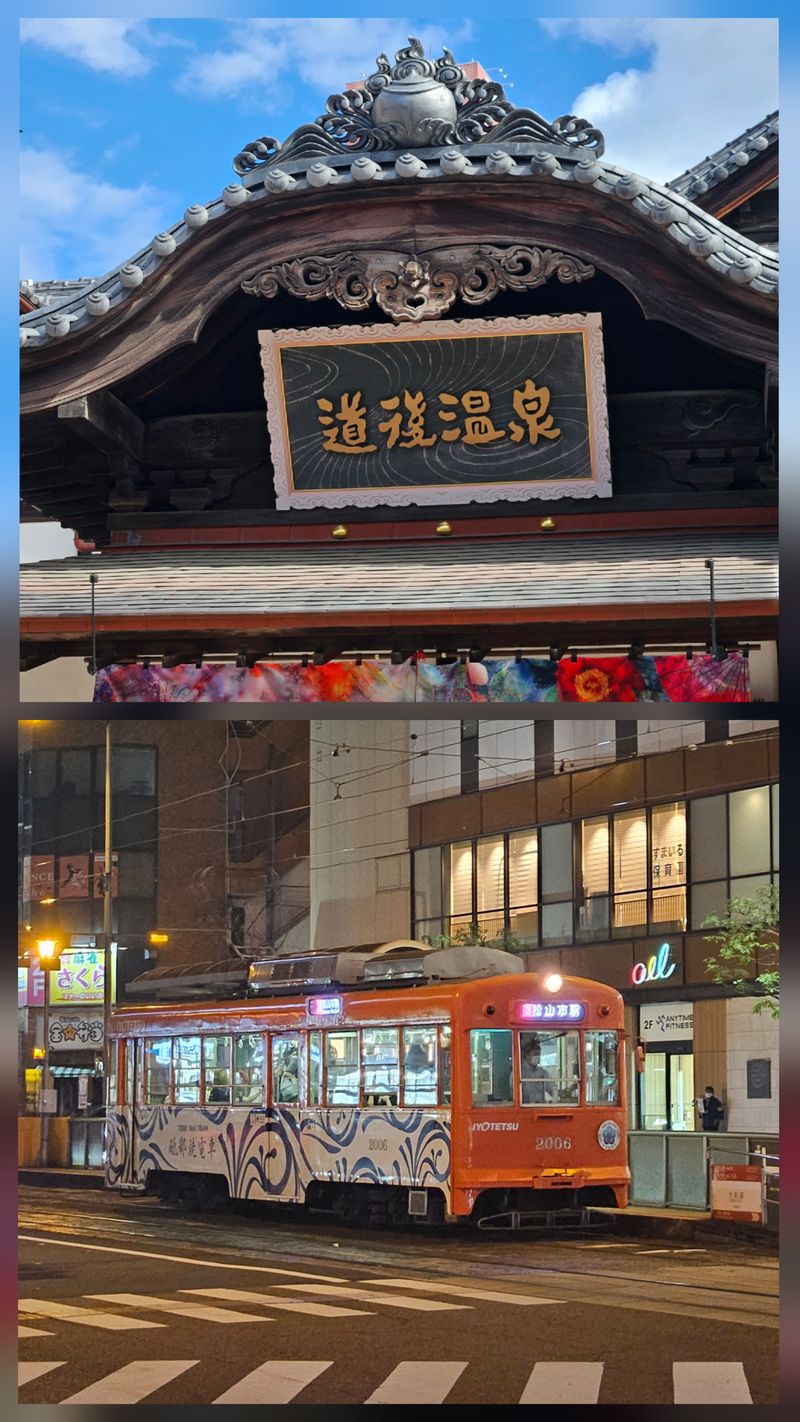
Social media has helped drive the increase in South Koreans traveling to Matsuyama. Photos capturing the tranquil scenery of Japan’s smaller cities are drawing interest. Matsuyama’s attractions include trams running on tracks laid along the roads, Dogo Onsen—which served as a motif for the setting of the animated film Spirited Away—and the town of Uchiko, lined with old houses.
Aero K and Ehime Prefecture Team Up to Support Travel to South Korea, Making It Cheaper Than Going to Tokyo
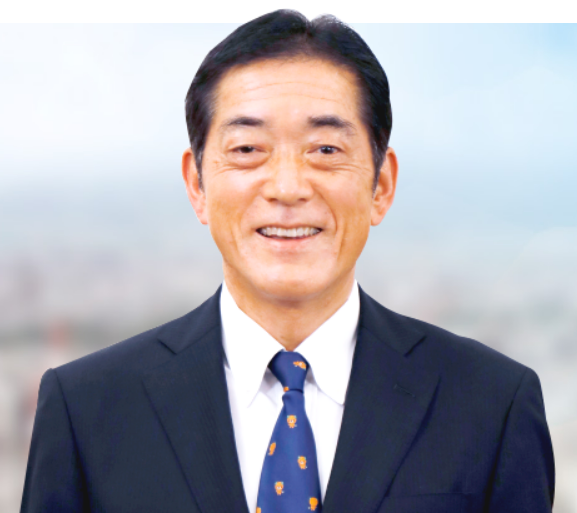
The determination of Ehime Governor Tokihiro Nakamura has helped bring about the infrastructure in Matsuyama aimed at attracting Korean tourists. He is also working to encourage residents of Ehime Prefecture to travel to South Korea, beyond simply attracting Korean visitors. At the announcement on the 30th of last month of the launch of regular Cheongju–Matsuyama flights, Governor Nakamura said, “We aim to encourage use by supporting young people in obtaining passports and university and vocational school students in taking study trips.”Ehime Prefecture has a track record of supporting travel to South Korea. From April last year through March this year, it provided 80,000 won to people aged 13 to 25 who obtained or renewed passports. It is also providing 100,000 won to members of the Ehime Prefecture teachers and staff mutual-aid association from this April through next March.
If costs are reimbursed at a level comparable to the previous support, flights to South Korea could be cheaper for Ehime residents than domestic flights. One-way fares from Matsuyama to Tokyo, whether by air or rail, are around 200,000 won, while Aero K’s Cheongju–Matsuyama airfares are expected to be below 200,000 won one way. Aero K also plans to work with Ehime Prefecture on additional promotions to lower airfares.
That is why Aero K chose Cheongju–Matsuyama as its first new route next year. Demand in both countries is clear, from the trend of traveling to smaller cities in South Korea to large-scale travel by Japanese residents to South Korea.
[email protected] Kim Yun-ho Reporter