“2 million won for just two months of special classes?” ... The brutal tale of dual-income couples earning 8 million won a month and paying it to academies as “educational tenant farmers” [How Much Is Enough?]
- Input
- 2026-10-25 13:34:20
- Updated
- 2026-10-25 13:34:20
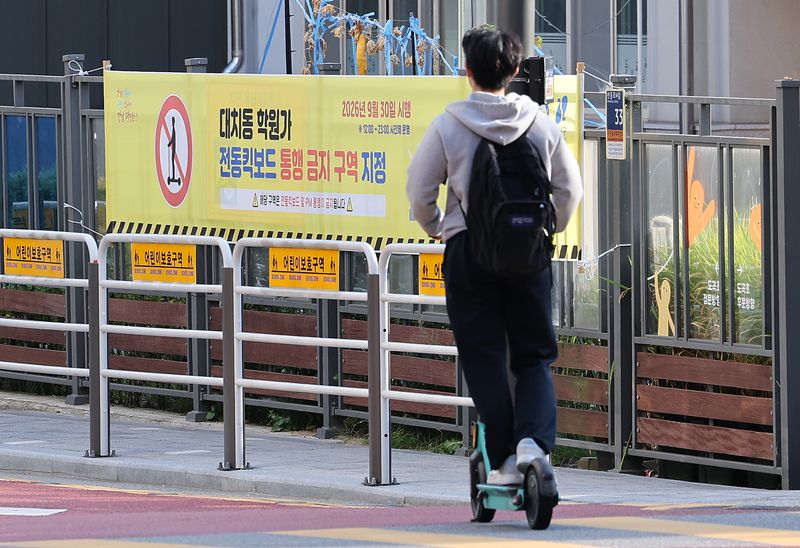
[Financial News] The final Sunday afternoon of October. Although the calendar still says autumn, the days of South Korean parents in their 30s and 40s are already racing toward January. This is when level tests and enrollment for “winter-break special classes” at major private academy districts begin in earnest.
Weekends for dual-income couples with elementary- and middle-school-aged children are packed with academy information sessions and payment deadlines. Education budgets that had been just barely holding at 700,000 to 800,000 won per child per month—covering Korean, English and math classes, plus extracurriculars such as taekwondo or piano—collapse completely at this time of year.
Once the bills include intensive vacation classes starting in the morning—the so-called “ten-to-ten” classes (10 a.m. to 10 p.m.)—and the cost of textbooks for studying ahead for the next grade, two months of academy fees quickly soar well past 2 million won. It is a bleak late-October scene that leaves even middle-income households earning a combined 8 million won scraping the bottom of their bank accounts.
◇ Outsourcing private childcare under the name of “winter-break special classes”
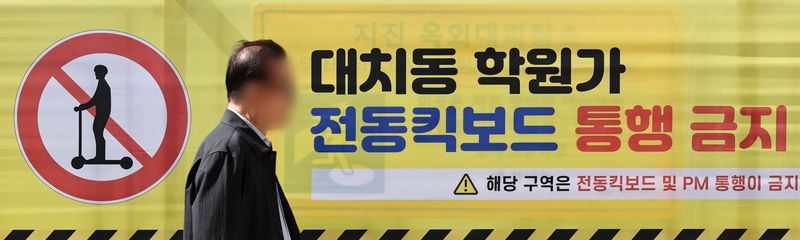
Why do dual-income couples spend so much money on winter-break special classes, even stretching themselves to the limit? It is not just because of the exceptional academic fervor in education districts such as Daechi-dong and Mokdong. For most ordinary dual-income households in their 30s and 40s, private education during winter break is directly tied to the very real matter of survival: “outsourcing childcare.”
Schools begin a long break of nearly two months in late December, but parents’ workplaces do not take a break. To keep a child from being left alone until 7 p.m., when the parents get off work, someone has to take the child in, feed them and keep them safe. Ultimately, the most reliable and safe option available to dual-income parents is to fill the child’s day, starting in the morning, with a tightly packed schedule of academy classes. Though it bears the label “education,” in essence it is an expensive “childcare cost” paid to leave the child under an academy’s heating system instead of in an empty home.
◇ The weight of 27 trillion won, confirmed by statistics ... A painful paradox: the higher the income, the greater the burden
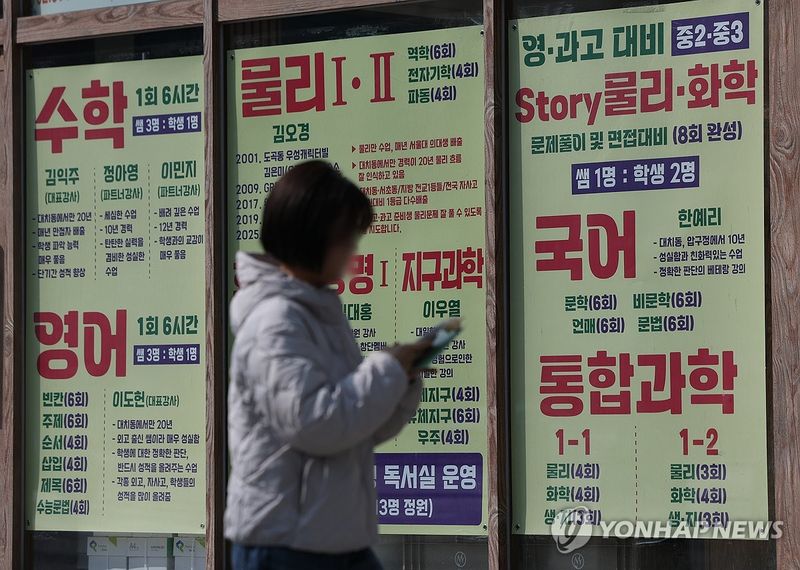
The education spending burden on these dual-income households is borne out by exact figures. According to Statistics Korea’s “Results of the 2023 Survey on Private Education Expenditures for Elementary, Middle and High School Students,” total private education spending last year reached 27.1 trillion won, a record high.
Particularly striking is how spending varies by income level. Average monthly private education spending per student in households with average monthly income of 8 million won or more was 671,000 won, the highest of all income brackets. With two children, that means a fixed outlay of 1.34 million won even in a typical month. Add winter-break special-class fees, and spending shoots up. Thus, even high-income dual-income households that are in the top 20% in South Korea by income are bound to see their disposable income shrink after taxes, mortgage principal and interest payments, and suffocating private education costs are deducted.
◇ Who are we working for? ... The birth of the “educational tenant farmer”
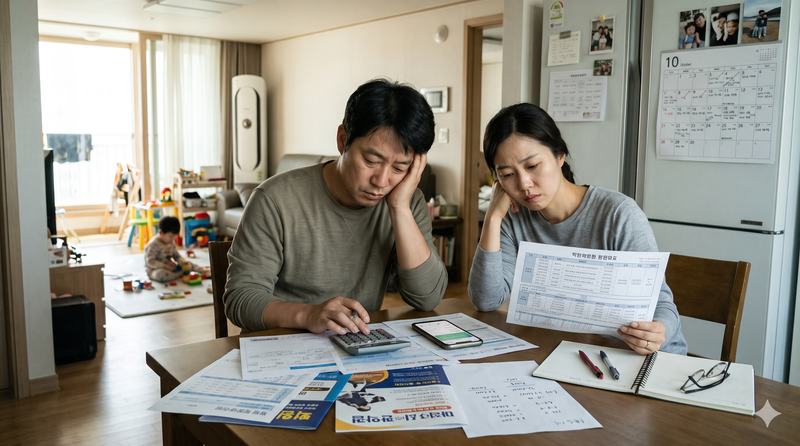
They board a packed subway early in the morning and work themselves to the bone, constantly watching their bosses’ moods. But much of the salary they earn slips out of their bank account almost as soon as it comes in, landing in the academy director’s account.
Experts call this a phenomenon that goes beyond “Edu-Poor”: “educational tenant farming.”
Just as tenant farmers toil on someone else’s land all year, only to hand over half or more of their harvest to the landlord come harvest time, today’s parents in their 30s and 40s are surrendering the fruits of their hard-earned labor in capitalist society to the vast private education market. They are sacrificing the present for their children’s future, while their own retirement savings dwindle toward zero—a cruel dilemma that repeats every month.
The final Sunday of October. As they search for interest-free credit card installment plans with the special-class payment page open, a fundamental question circles in the minds of parents.
“Are we working for our family, or are we working to pay for academy fees?”
Unable to find a clear answer, the parents set out on their grueling commute once more the next morning, to earn money for their children’s academy fees.
[email protected] Jeon Sang-il Reporter