LIG Defense & Aerospace barred from bidding based solely on an indictment: Why has DAPA imposed such an excessive sanction?
- Input
- 2026-10-25 14:15:24
- Updated
- 2026-10-25 14:15:24
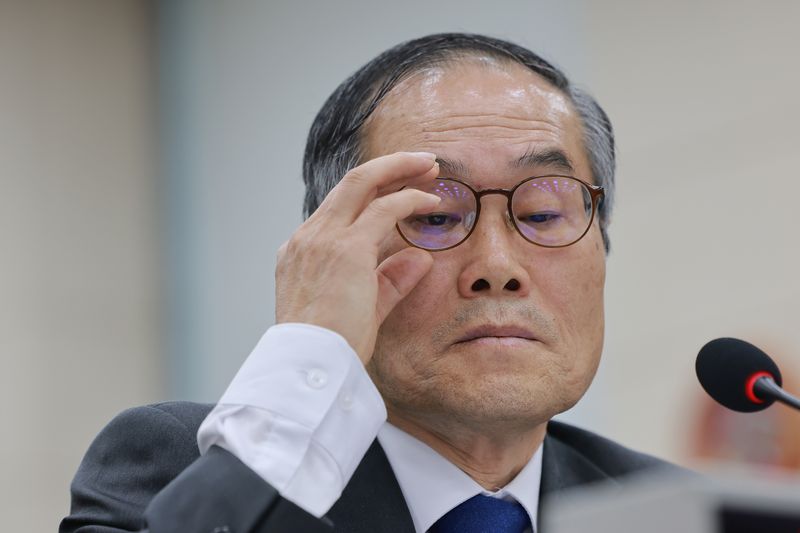
[Financial News] The Defense Acquisition Program Administration (DAPA) has imposed a two-year ban on LIG Defense & Aerospace (LIG D&A) from participating in bidding. The reasons include allegations that it provided cash and other valuables to a DAPA official. The issue is that the agency imposed the highest level of sanction even though no ruling has been issued in the first trial of the related criminal case. In the past, DAPA had been cautious about restricting bidding even in cases where convictions had been finalized. Such sanctions could hurt not only defense companies but also the military’s force deployment programs. This is why the sanction against LIG D&A is being described as unusual.
■ DAPA, once cautious even after convictions, restricts bidding based solely on an indictment amid political criticism
According to industry sources on the 25th, DAPA’s Defense Acquisition Program Contract Review Committee met on the 20th and voted to bar LIG D&A from bidding for 24 months. This is the highest level of sanction under the State Contracts Act.However, the bribery case involving a DAPA official that led to the sanction has not yet reached a first-trial ruling. The defendants are reportedly known to have admitted some of the charges during the trial, but the court has yet to determine whether the alleged wrongdoing was an organized effort by LIG D&A or an individual’s misconduct. Allegations of cost manipulation cited by DAPA as grounds for the sanction are also at issue. Prosecutors allege that the company falsely inflated research and development (R&D) and mass-production costs over an extended period. No judicial ruling has yet been issued on those allegations.
Given DAPA’s record of caution in restricting bidding eligibility, industry observers have been surprised by the latest measure. A prominent example is the Korean Next-Generation Destroyer (KDDX) project. Company A was convicted by the Supreme Court of violating the Military Secrets Protection Act, but DAPA limited its response to administrative guidance, citing a lack of evidence that its executives were involved.
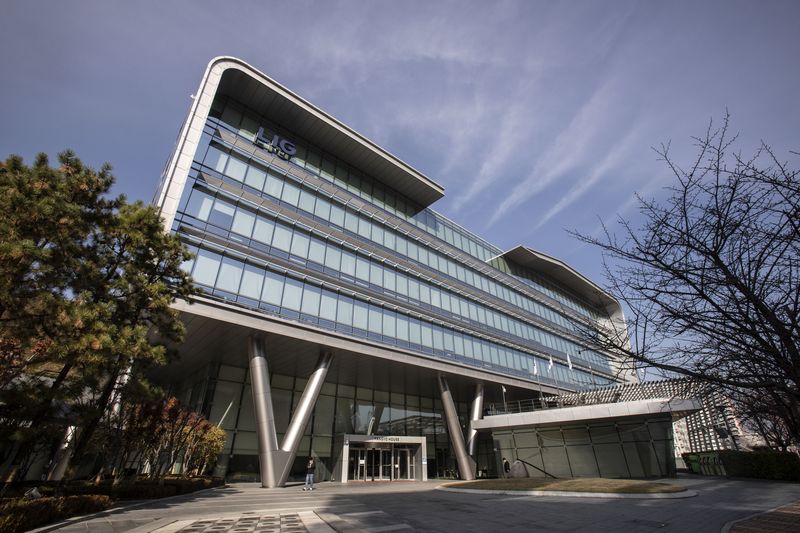
The fact that the severe sanction came after ruling and opposition lawmakers alike criticized DAPA during a National Assembly audit by the National Defense Committee has prompted questions about whether the measure was a response to political pressure. At the audit, DAPA Commissioner Lee Yong-cheol said, “I am extremely displeased,” and spoke of the need to “respond firmly to ensure this does not happen again.”
LIG D&A considers the sanction excessive and has launched legal action, including applying for a suspension of its execution and filing a suit to overturn the administrative measure. Shin Ik-hyun, CEO of LIG D&A, is scheduled to appear as a witness at the National Assembly National Defense Committee’s audit on the 26th. He is expected to raise concerns about the fairness of the sanction and its potential to undermine the competitiveness of South Korea’s defense industry.
DAPA’s heavy-handed sanctions put development and production of the 1.9-trillion-won KF-21 air-to-air missile at risk
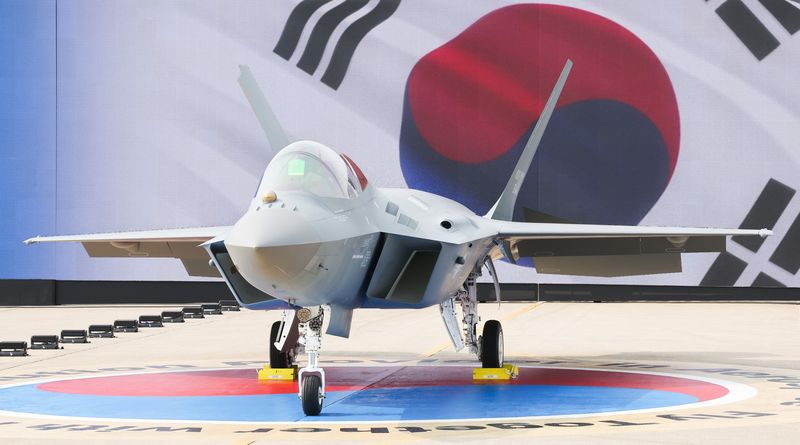
Critics say DAPA’s sanction could disrupt the project to develop a long-range air-to-air missile for the domestically developed KF-21 fighter. The large-scale project will involve about 1.9 trillion won in total, including 753.5 billion won in development costs and 1.1471 trillion won for follow-on production.
LIG D&A reportedly ranked first in proposal evaluations in five areas, including systems integration, which oversees missile design and component integration. If the bidding restriction remains in effect, it could disrupt the final contract award.
Company B, widely seen as a leading candidate to handle the missile’s airframe and propulsion system, also faces legal risks. An explosion at its Daejeon plant in June left five people dead and two injured, and an investigation into the accident is ongoing. The Enforcement Decree of the State Contracts Act provides that a company may be barred from bidding if two or more workers die at the same time as a result of violations of safety and health obligations under the Occupational Safety and Health Act. Concerns have been raised that excessive sanctions against LIG D&A, Company B and others could delay the KF-21’s fielding itself.
[email protected] Kim Yun-ho Reporter