Lee Kun-hee’s cultural stewardship ... His eye was honed by the founding chairman’s teachings
- Input
- 2026-10-25 14:46:12
- Updated
- 2026-10-25 14:46:12
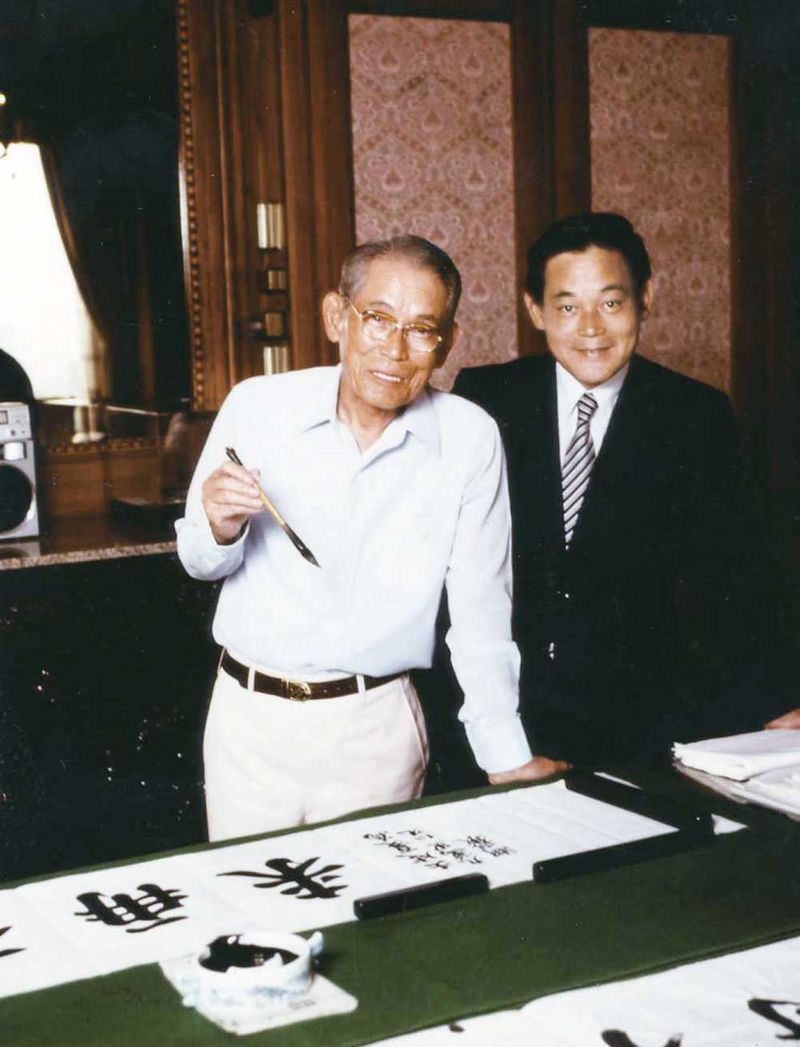
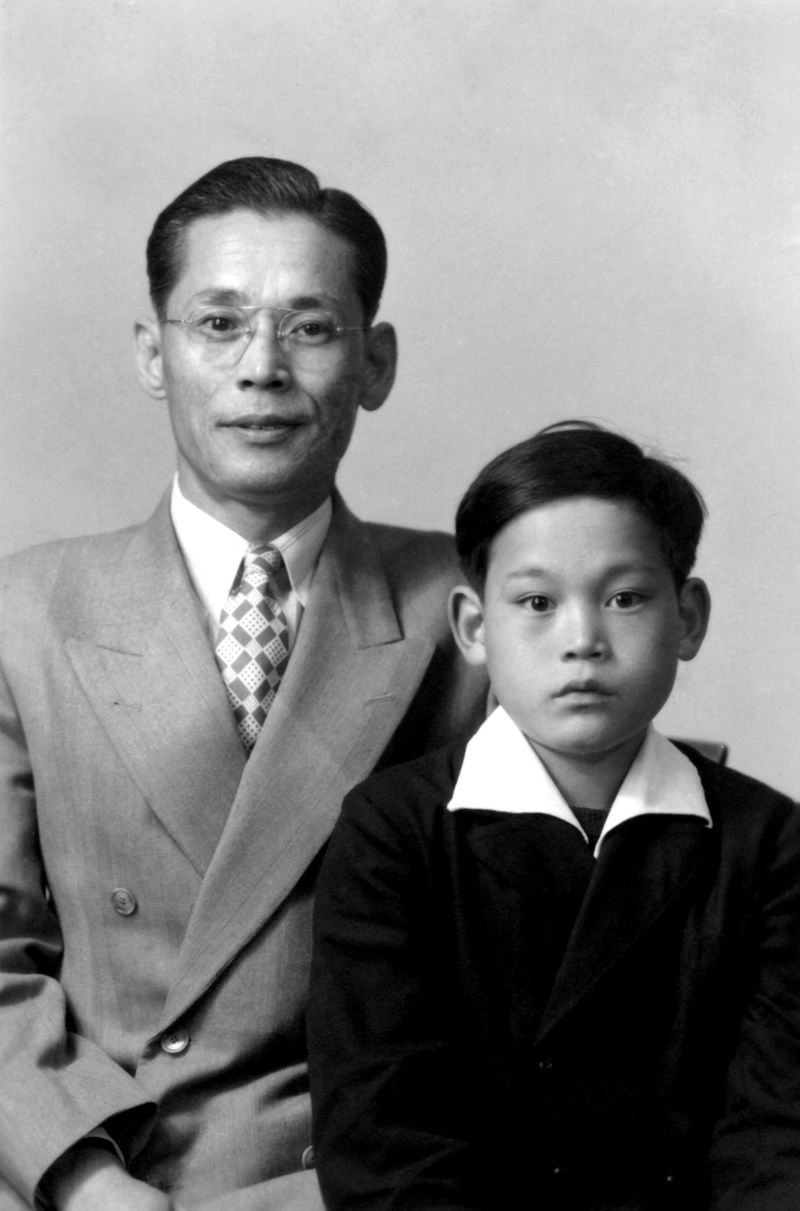
[Financial News] On the 25th, as the sixth anniversary of the death of former Samsung Group chairman Lee Kun-hee was marked, his cultural stewardship is receiving renewed attention. The Lee Kun-hee (KH) Collection, comprising more than 23,000 cultural heritage items he collected and donated during his lifetime, is drawing large crowds as it goes on display in the United States and the United Kingdom after receiving invitations from abroad.
In particular, Lee Kun-hee’s eye is said to have been cultivated by the affection and philosophy his father, Samsung Group founding chairman Lee Byung-chul, had for Korean antique art, enabling him to collect national-treasure-grade cultural artifacts and fine antiques and donate them to the nation.
According to business and cultural circles, Lee Byung-chul invested heavily in collecting and preserving antique art, guided by his philosophy that “we should protect our culture on our own soil.” An antique-art enthusiast, the founding chairman collected Korean antiques for more than 30 years, including a Gaya gold crown designated a National Treasure, and prevented Korean cultural artifacts from being smuggled overseas. Lee Kun-hee’s exceptional eye for art is also said to have developed naturally from childhood, as he studied antique art alongside his father. The founding chairman is remembered in business circles for giving his daughter-in-law, Hong Ra-hee, honorary director of the Leeum Museum of Art, pocket money so she could buy antiques in Insadong. Kim Sung-hee, former director of the National Museum of Modern and Contemporary Art, explained: “The founding chairman collected antique art out of the conviction that our cultural heritage must not be taken out of the country. Lee Kun-hee was the quickest to take in and absorb his father’s philosophy, and that is how he developed an exceptional eye for antique art, like his father.”
Discernment is especially important in antique art because there are many forgeries. Lee Kun-hee is said to have had such a discerning eye that he personally assessed and bought a “white porcelain jar with a blue-and-white plum and bamboo design,” whose authenticity had been disputed.
In the early 1970s, after purchasing Jeong Seon’s Inwangjesaekdo, he began filling Samsung’s storage facilities with antique art. Of the more than 23,000 artworks Lee Kun-hee donated to the nation, over 2,000 are antiques. Most are gilt-bronze Buddhist statues, metalwork and earthenware. The collection is also said to include around 50 rare National Treasure- or Treasure-grade works from the Silla and Gaya periods whose appraised value cannot be estimated.
In other words, grounded in his father’s teachings, the KH Collection reflected an interest in and affection for modern art as well as antique art. Opened in 2004 and built on the foundation of the Lee Kun-hee Collection, the Leeum Museum of Art established itself as a leading institution showcasing Korean antique art alongside contemporary art from Korea and abroad. Lee Kun-hee and honorary director Hong’s support for emerging artists is also credited with making a major contribution to revitalizing Korean contemporary art. Artists who were in their 30s at the time grew with Samsung’s support and became artists in their 60s.
During his lifetime, Lee Kun-hee also devoted attention to cultural and arts sponsorship that introduced Korean art to museums abroad. Through initiatives such as establishing Korean galleries in overseas museums and supporting the hiring of Korean curators, he pursued a form of cultural stewardship that promoted Korean art internationally. The Metropolitan Museum of Art in the United States, the Victoria and Albert Museum in the United Kingdom, and the Guimet Museum in France are among the examples of Samsung’s support for culture and the arts. Kim Sung-hee, the former director, said, “Given the circumstances of the time, Samsung’s preservation and collection of cultural and artistic works—things the state could not do—was an outstanding achievement that no one could fault.” She added, “The KH Collection being spotlighted at the conservative British Museum and other world-class museums reflects, in part, an effort to find connections between K-culture’s ‘Korean Wave’ and Korean antique art, as well as modern and contemporary art.”
[email protected] Park So-hyun, Lim Su-bin Reporter