“Visa quotas should rise in line with South Korean investment” ... Korean Americans in Iowa focus on U.S. midterms
- Input
- 2026-10-25 14:39:56
- Updated
- 2026-10-25 14:39:56
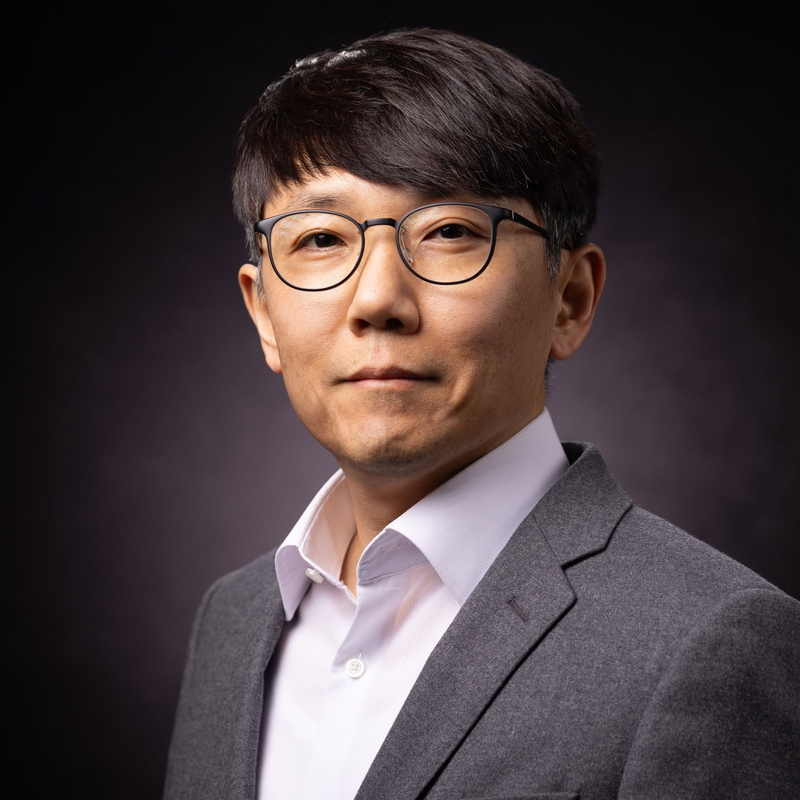
【Sioux City = Correspondent Lee Byung-chul】 Iowa, one of the United States’ leading agricultural regions, also has a Korean American community that differs from those in major cities. While its Korean business district is not large, university professors, researchers, and international students make up a substantial part of the community. As a result, skilled-worker visas and immigration policy have also emerged as key concerns ahead of the U.S. midterm elections.
In an interview with Financial News on the 22nd (local time), Lee Jong-hyun, a professor of mechanical engineering at Iowa State University, explained, “There aren’t many Koreans in Iowa, and the market for businesses catering to them isn’t large either. It’s mostly students, professors, and researchers who live here.”
Lee stressed the need to address skilled-worker visa issues as South Korean companies expand their investments in the United States. “If South Korean companies have no choice but to invest in the United States, they should negotiate terms commensurate with that,” he said. “We need to ensure flexibility in hiring so these companies can recruit the workers they need, and increase visa quotas for skilled professionals from South Korea.”
That is why the U.S. midterm elections matter to South Korean companies and Korean American communities as well. The way the newly formed Congress handles legislation on skilled-worker visas and immigration could affect how South Korean companies manage their workforces and the conditions under which Korean American researchers can work.
Lee said, “It is also good for the country when skilled professionals from South Korea work and gain experience in the United States before returning to South Korea,” and urged the government to expand training and exchange programs for skilled professionals.
He said visa issues are affecting efforts to recruit research personnel at U.S. universities. “There are cases where colleagues select international students, but the students can’t enroll because their visas don’t come through,” he said. “There was also a case of an Iranian student who left the country to renew a visa and was unable to reenter the United States.”■ “Rising diesel prices burden farmers ... whether Republican supporters will defect remains uncertain”Lee, who settled in Iowa in 2017, cited inflation and diesel prices as key factors in the midterm elections. “The biggest problems right now are inflation and diesel prices,” he said. “Iowa’s farm machinery has large diesel engines, so when fuel prices rise, farm profits fall directly as a result.”
He added, “President Trump said he would bring energy costs down, but fuel prices rose again after the war. If making ends meet becomes difficult, some people in his support base may waver.”
The cost-of-living burden has also grown. “Eating out these days is so expensive I’m afraid to do it,” he said. “A chicken dish at a local Chinese restaurant costs about $18.” He explained that the cost of eating out, as people experience it, has risen by at least 20 to 30 percent since the COVID-19 pandemic.
However, he thought it was uncertain whether dissatisfaction with high prices would immediately lead Republican supporters to abandon the party. “I haven’t personally heard anyone who used to be an ardent Republican supporter say they’re switching to the Democrats this time because fuel costs have risen so much,” Lee said. “Many people have already chosen their political camp.”
Iowa’s political landscape also varies by region. Republican support is strong in rural areas, while Democratic support is relatively stronger in college towns such as Ames, home to Iowa State University, and Iowa City, home to the University of Iowa.
Lee stressed, “Greater interest in Democratic candidates doesn’t necessarily mean greater support for the Democratic Party as a whole. The candidates’ individual competitiveness, the cost of living, and healthcare issues are all at play.”
[email protected] Correspondent Lee Byung-chul Reporter