"Russia secretly funded U.S. Alaska gas project, it turns out"
- Input
- 2026-10-24 23:45:36
- Updated
- 2026-10-24 23:45:36
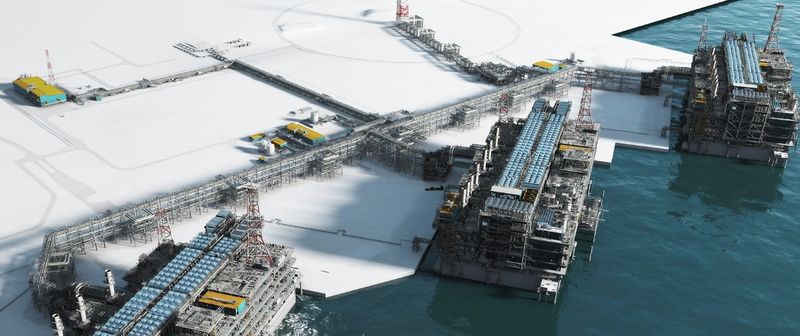
[Financial News] Evidence has emerged that a major Russian energy company under U.S. sanctions secretly provided funding for a U.S. liquefied natural gas (LNG) development project in Alaska and sought to acquire a stake in it. The project was reportedly discussed at the negotiating table for Ukraine peace talks between the United States and Russia, intensifying criticism that Russia is using energy cooperation as leverage to undermine sanctions and secure its interests.
■ Russian funds disguised as a “UAE company”; U.S. executives resign en masse
According to The New York Times (NYT), the Financial Times (FT) and other foreign media on the 23rd (local time), Novatek, Russia’s largest privately owned natural gas company and a target of U.S. Treasury sanctions, provided initial funding for a gas development project in northern Alaska being pursued by U.S. startup Polar LNG.
Polar LNG had been pursuing a plan to buy a 640,000-ton offshore liquefaction facility (a gravity-based structure) from Novatek, install it in Alaska’s northern waters, and export gas to Asia on icebreakers. The initial funding for the project was originally believed to have come from Tech Wave, a company based in the United Arab Emirates (UAE), but it turned out to be Novatek’s money, channeled through Tech Wave. Tech Wave’s senior executives are also former Novatek employees.
Key executives, including Polar LNG’s former CEO Joel Riddle, its CFO and a senior vice president, resigned en masse last month after belatedly learning that the true source of the funding was a Russian company under sanctions. Riddle urged U.S. authorities to conduct a thorough investigation, saying, “Allowing Russia to control the commercialization of Arctic gas in Alaska is illegal and not in the interests of the United States.”
Polar LNG dismissed Riddle as a “disgruntled, terminated employee” and denied the allegations, while Novatek acknowledged that it was taking steps to secure a minority stake in the project.
■ “Dangerous energy deal” between Trump and Putin under scrutiny
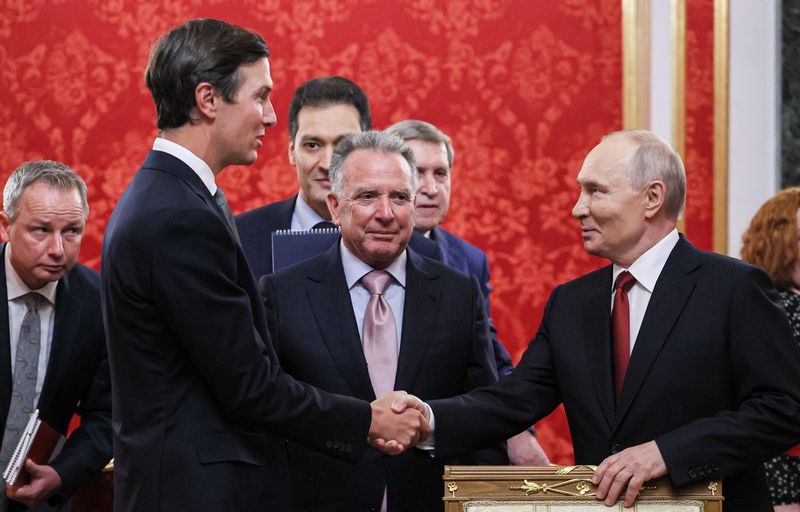
The secretive project is also deeply entangled in politics. Gentry Beach, a businessman close to the Trump family, was involved in the project early on. More recently, the Alaska LNG development proposal was reportedly raised during discussions on ending the war in Ukraine between Russian President Vladimir Putin and U.S. presidential envoy Steve Witkoff and Jared Kushner.
Some at the White House see such an “energy deal” as a way to improve relations with Russia and provide a path to ending the war, but experts have voiced strong concerns. Former U.S. Assistant Secretary of State Geoffrey Pyatt criticized the proposal as “environmentally, economically and geopolitically disastrous,” saying it would be a “get-out-of-jail-free card” that rewards Putin with benefits instead of holding him responsible for the war.
■ Clashes with pipeline project under consideration by South Korea; Hanwha Ocean icebreaker also in the picture
Polar LNG’s project is also in direct competition with existing Alaska gas development projects. In particular, it directly conflicts with the $50 billion Alaska LNG Pipeline Project, for which South Korea, Japan and Taiwan are considering investments. The project would transport gas produced in the north by pipeline to the southern coast for export. Former U.S. Deputy Assistant Secretary of State Matthew McManus said, “The pipeline project makes far more sense than Polar LNG, which would face years of permitting and the risk of sanctions on Russia.”
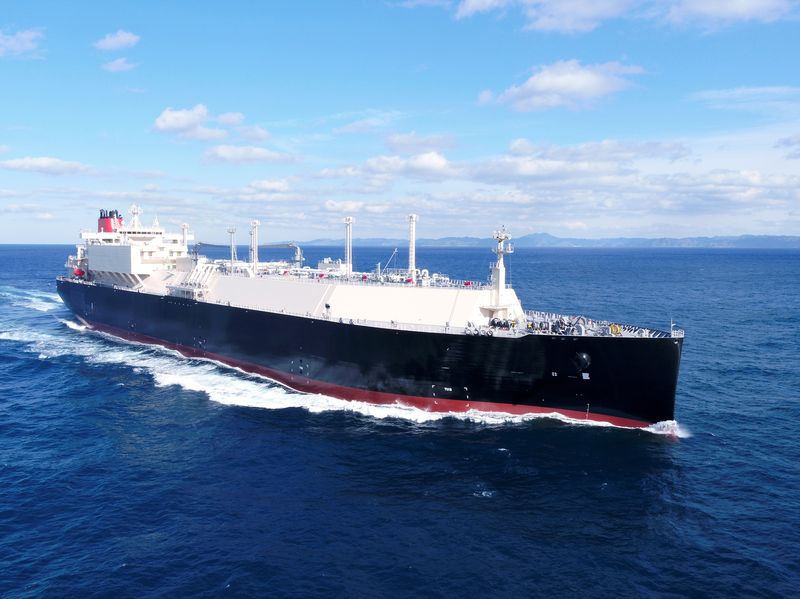
Polar LNG is also reportedly considering using an icebreaking LNG carrier built by Hanwha Ocean for Novatek’s Arctic LNG 2 project, but whose delivery and contract were halted because of U.S. sanctions, to transport gas.
The U.S. Treasury Department is scrutinizing the possibility of sanctions violations very seriously, so it remains unclear whether this project, involving Russian capital and technology, can actually go ahead despite the United States’ extensive sanctions network.
[email protected] Park Ji-hyun Reporter