Seo In-young: “Don’t touch my 10 billion won” ... Will a pledge written before marriage be worthless in court?
- Input
- 2026-10-25 05:00:00
- Updated
- 2026-10-25 05:00:00
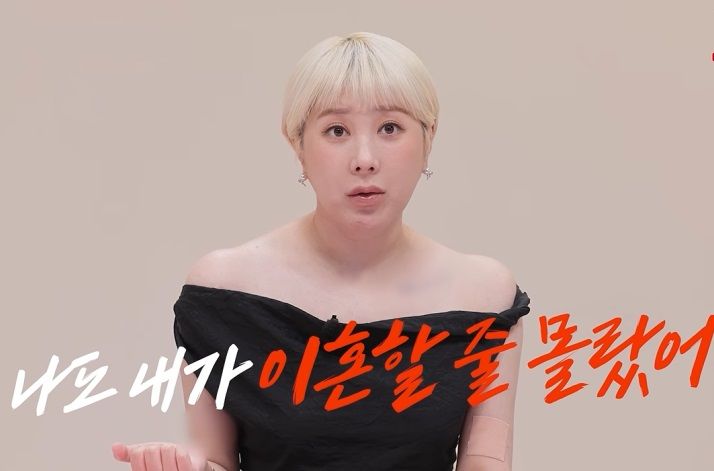
[Financial News] Singer Seo In-young spoke candidly on a TV show about her past divorce, saying she “bitterly regretted not drawing up a prenuptial agreement when [she] got married.” As she also shared how she feels about her upcoming remarriage and admitted she had even changed phones so she could record calls, interest has grown in how assets are divided in a divorce and whether written pledges have any real legal force.
“Apparently everyone knew but me” ... Seo In-young humorously opens up about the pain of her divorce
In the fourth episode of E Channel’s variety show “Seo In-young’s Trendy Kkondae,” which aired on the 22nd, Seo In-young and YouTuber Mimiminu invited divorce lawyer Park Min-cheol to discuss “damages and division of assets.”
The show featured a story shared online about a man who, after ending a long-term relationship, gave his former partner 50 million won in cash, saying he was sorry for making her miss the age considered ideal for marriage. Seo In-young said, “That man was considerate of the woman,” then protested, “Some people give their partners absolutely nothing when they split up, even after registering their marriage. Look at me,” making the set erupt in laughter.
She was just as outspoken with guest lawyer Park. Seo In-young said warmly, “I should have met you earlier.” When Park replied, “You shouldn’t see me anymore,” she quipped, “You never know what might happen in life. I didn’t know I’d get divorced either, but apparently everyone knew except me,” making a self-deprecating remark.
She is currently dating a businessman older than her and preparing to remarry. “I really have to make it work this time. I think of it as my last chance,” she said, then added, “I always said that. I said that then, too,” prompting a rueful laugh.
“I was No. 1 for most likely to get a prenup, but couldn’t bring myself to write one ... I should have included, ‘Don’t touch my 10 billion won’”
The main topic that day was prenuptial agreements. Seo In-young, who was named the female celebrity most likely to draw up a prenup first in a 2010 survey by a matchmaking company, recalled that time and expressed deep regret.
“People did have me figured out. At the height of my career, I used to say all the time, ‘I absolutely have to get a prenup,’” Seo In-young said. “But when I actually fell in love and got married, I couldn’t bring myself to write one. I bitterly regretted it later. You should definitely get one when you marry,” she urged viewers again.
Asked what she would want to include if she were to draw up a prenup again, she said firmly, “At the peak of my career, I earned more than 10 billion won. I would definitely include a clause saying, ‘Don’t ever touch my money.’”
“Switched to a Samsung phone to record calls” ... Lawyer explains how to prove contributions to household work
In response to Seo In-young’s practical concerns, lawyer Park Min-cheol offered specific ways to protect property rights in everyday life. “The key to dividing assets is contribution. What matters is who did how much during the marriage,” Park said, advising people to keep records of their household work and childcare.
Park advised, “Keep a daily household journal and send it to your spouse in a message so there’s a record confirming it. For example: ‘Honey, I got up this morning, packed the kids’ lunches and picked them up. I sorted out my parents’ insurance and finished all the laundry and cleaning. I did well, right?’” He explained, “These everyday records can later serve as powerful objective evidence in court that the wife contributed to the household.”
When Seo In-young asked, “Would call recordings have legal force if I had them instead of text messages?”, Park replied, “They can certainly serve as evidence.” Seo then said, “That’s why I switched to a Samsung phone this time. I’m going to use one that records calls.”
“If you cheat, do you leave with nothing but the clothes on your back?” Don’t blindly trust written pledges
Seo In-young also persistently asked about the effectiveness of pledges intended to address a spouse’s infidelity. When she asked, “Would it work if I had them sign a pledge in advance saying they’d give up all their assets if they cheated?”, Park drew a clear line: “Under Korea’s legal system, it has no effect whatsoever.”
Park explained, “The right to claim a division of assets arises when a marriage is dissolved (through divorce), so it cannot be waived in advance. A pledge saying ‘If you cheat, you leave with nothing but the clothes on your back’ will not be recognized by the courts, whether it is made before or during marriage.”
However, he advised, “An agreement setting a specific amount of damages to be paid for infidelity—for example, several tens of millions of won to 100 million won—may have legal force. Rather than signing a blank pledge driven by emotion, a more practical way to protect your rights is to make an agreement that meets the relevant legal requirements and keep everyday records that demonstrate each person’s contributions.”
[email protected] Moon Young-jin Reporter