Surge in Salmon and Tuna Imports Amid High-Protein, Value-for-Money Craze... Food Industry Accelerates Push into Convenient Seafood Meals
- Input
- 2026-10-25 12:48:44
- Updated
- 2026-10-25 12:48:44
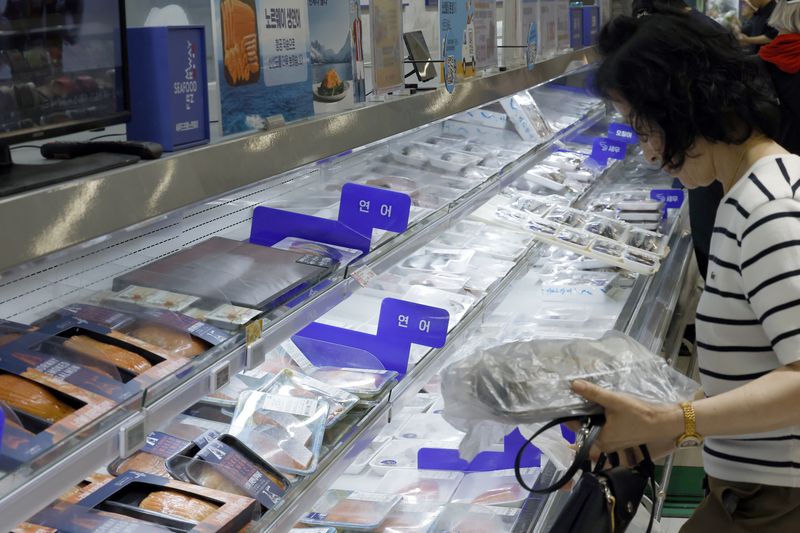
[Financial News] Consumption of imported seafood, including salmon and tuna, is rising sharply, driven by the high-protein diet trend among health-conscious consumers and demand for alternatives amid soaring prices for domestic seafood. As consumption shifts from dining out and sashimi toward grilled and salad options enjoyed at home, food companies are stepping up their push into the market by expanding processing facilities and rolling out home meal replacement (HMR) and small-pack products.
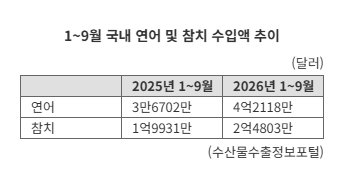
According to the Seafood Export Information Portal on the 25th, South Korea’s salmon imports from January through September this year were valued at $421.18 million, up $54.16 million (14.8%) from $367.02 million in the same period last year. Tuna imports also surged 24.4% over the same period, to $248.03 million from $199.31 million, an increase of $48.72 million.
In particular, imports of chilled and frozen salmon are projected to reach the 730 billion won range for the full year, following 604 billion won in 2024 and 634.1 billion won last year. That would represent growth of about 21% in the market over two years. Behind the rapid arrival of imported seafood on dining tables is a preference for high-protein diets fueled by the spread of “healthy pleasure.” Demand has recently risen sharply for salmon for grilling, steaks and salads, as people look to use it at home as a regular source of protein or as part of a diet.
As prices of domestic seasonal seafood surged across the board amid the fallout from abnormal weather, including summer heat waves, and rising costs due to high oil prices, consumers turned their attention to imported seafood, which has relatively stable supply and demand and is competitively priced.
Major food companies are therefore making an all-out effort to expand their small-pack and HMR lineups, allowing consumers to enjoy seafood at home conveniently and at affordable prices.
Dongwon Industries imports salmon, processes it in-house and distributes it. Salmon’s share of the B2C transaction market grew from 40% in 2024 to around 50% this year.
SHINSEGAE FOOD Inc. is seeking to get ahead in the market by significantly expanding its production infrastructure. In July, it doubled the salmon processing facilities at its Icheon plant. In particular, “Leroy Shinsegae Food Fresh Salmon Fillet,” which can be stored chilled, has gained popularity on social media as a product for grilling and making sushi at home, thanks to the fresh, tender taste of chilled salmon.
CJ CheilJedang is also diversifying its seafood portfolio. It recently officially launched Calvo, Spain’s No. 1 tuna brand, in South Korea, expanding the premium seafood convenience-meal market.
A food industry official said, “With rising prices for domestic seafood putting more pressure on household budgets, convenient meals made with imported seafood that offer not only taste and nutrition but also competitive prices are emerging as an alternative.” The official added, “Beyond simply distributing raw seafood, differentiated processing technologies tailored to consumers’ eating habits and a broader lineup of convenience meals will determine market competitiveness in the future.”
[email protected] Park Gyeong-ho Reporter