Development of an ‘Ammonia Reduction Device’ to Stabilize Long-Distance Sea Transport of Live Seafood
- Input
- 2026-10-23 14:11:46
- Updated
- 2026-10-23 14:11:46
The National Institute of Fisheries Science (NIFS) said on the 23rd that it had developed the ammonia-reduction technology, recently applied it at a U.S. export site, and completed verification of its effectiveness.
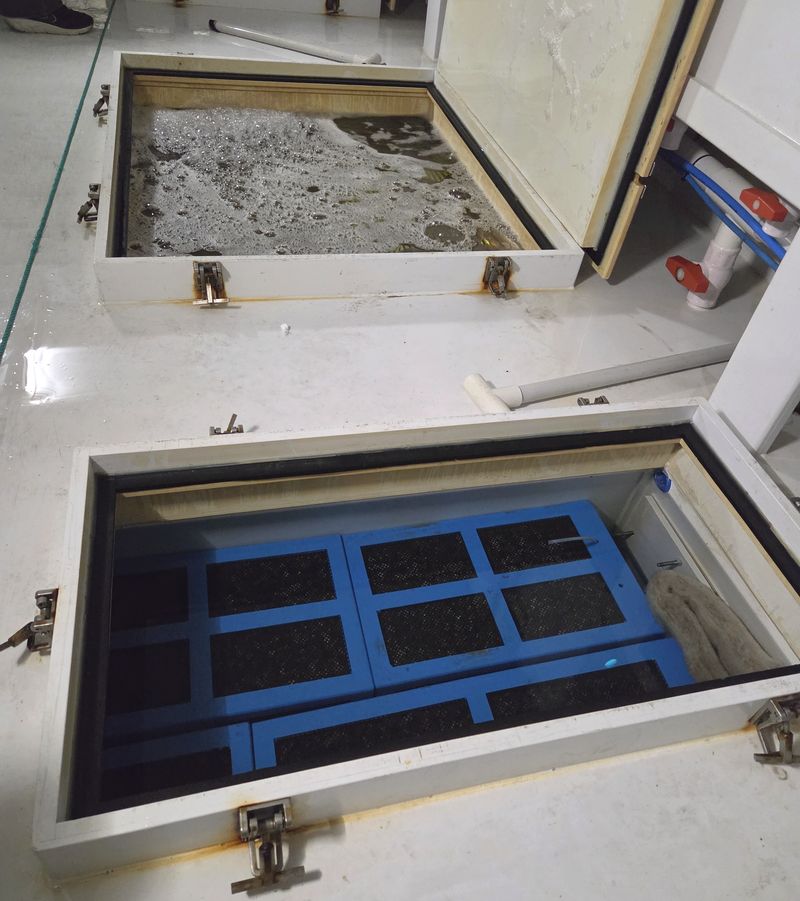
Transporting live seafood produced in Korea to the Port of Long Beach on the U.S. West Coast takes about four weeks. In the case of live olive flounder, transport in a live-fish shipping container takes about 15 days, excluding movement to a logistics hub before sea transport and onward transport at the destination.
However, ammonia levels in container tanks rise during sea transport, sometimes causing live olive flounder to die. As a result, technology to reduce ammonia levels in live seafood during long-distance transport has been needed.
In response, NIFS began joint research with live seafood exporters in 2024 and developed the “Ammonia Reduction Device for Live Fish Transport Containers.”
In this demonstration evaluation of exports to the United States, unloading was delayed because of local conditions, extending the actual transport period to 22 days. Even so, ammonia levels in the container tank were found to have fallen by 14.2% compared with before. Blood ammonia levels in live olive flounder also fell by 22.2%, and stress indicators decreased as well.
The development of this technology has raised hopes that survival rates and quality can be maintained during long-distance transport of live fish. It is also expected to help increase the volume shipped per container and expand export markets to new, more distant destinations such as the eastern United States and Europe.
NIFS Director Soonwook Kwon said, “This technology development has improved the stability of long-distance transport of live seafood and laid the groundwork for expanding export volumes,” and emphasized, “I will continue to develop technologies that can be applied at export sites and strengthen the global competitiveness of Korean seafood.”[email protected] Byun Ok-hwan Reporter