[Han Dong-ha’s Herbal Medicine Anecdotes] He Didn’t Light a Lamp While Counting the Medicine Fees
- Input
- 2026-10-24 06:00:00
- Updated
- 2026-10-24 06:00:00
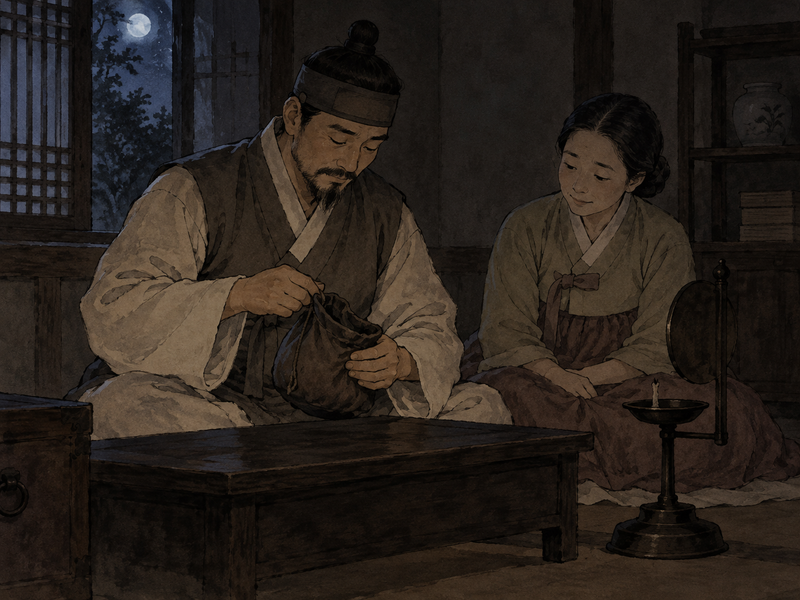
Long ago, during the Ming dynasty, there was a physician named Liu Songquan in Yizhen County. He came from a family that had practiced medicine for generations. Not only was he highly skilled, he was also a man of fine character. So whenever people, rich or poor, came to ask for treatment, he never refused and went to see them.
Liu Songquan had one unusual habit. After treating patients, he accepted payment from them, but had them put the money in a pocket before handing it over. Even after receiving payment, he never tried to find out how much they had given him. And when he returned home and took out the medicine fees he had received from patients that day, he never lit a lamp, no matter how dark it was.
His wife, puzzled by this, asked him: “Why don’t you light a lamp when you look at the medicine fees? It’s too dark to tell how much money there is, isn’t it?”
Liu Songquan replied: “That’s exactly why. If I knew who paid generously and who paid little, I might develop feelings of liking or disliking them without even realizing it. Then I might treat a patient differently the next time they came to see me. Wouldn’t it be better not to know?”
He was wary of judging patients’ status by the amount they paid for medicine and ultimately letting that affect their treatment.
One day, in the middle of the night, a thief climbed over a wall, entered the room, and rummaged through the furniture, including a wardrobe and a chest. Liu Songquan was awake, but even when he saw the thief, he did not shout. The thief was so taken aback by how completely unstartled Liu Songquan seemed that he became flustered himself.
Liu Songquan took out the money he had earned treating patients that day, handed it to the thief, and said, “I don’t know why you’re stealing, but this money should help with your household expenses. But sneaking into someone else’s home to steal their things—what kind of thing is that to do? Don’t do it again.”
The thief didn’t know what to make of this unexpected turn of events. He had expected to be scolded or caught and beaten, but the physician was giving him money and, instead, expressing concern for him. The thief took the money and hurried away.
But then, one day, something strange began to happen. Every morning, fresh seasonal food would be sitting on the medicine-preparation table, where medicinal herbs were trimmed and medicines compounded. Some days it was fruit; other days, vegetables. No one knew who had brought it, but it appeared every single day.
This continued for several years. Then, one spring day, Liu Songquan was about to offer the season’s first cherries to his ancestors. This offering, known as cheonsin, is the custom of presenting one’s ancestors with the first fruits or grain harvested that year. Just then, he spotted someone setting a basket down on the medicine-preparation table and hurrying away.
Liu Songquan quickly caught up with him. “Wait a moment. Have you been the one bringing food here all this time?”
The man lowered his head and could not say a word. Looking closely at his face, Liu Songquan realized that he was the very thief who had entered his home in the middle of the night several years earlier. “Wait—you’re that thief from back then, aren’t you?”
At last, the man spoke. “I could never forget the kindness you showed me that day, sir. I had nothing, so I couldn’t think of a proper way to repay you. That’s why I brought you whatever food was in season.”
Liu Songquan told the man, “That was a long time ago, wasn’t it? I didn’t give you that money expecting you to pay it back. Stop now, and put it to good use for your household.”
Only after Liu Songquan had spoken to the man that way did the food stop appearing on the medicine-preparation table.
Liu Songquan was also an exceptional physician. Once, his younger brother got something stuck in his throat while eating fish soup. Strangely, his throat felt clear when he spoke, but became blocked again whenever he tried to drink water or swallow food. His brother asked Liu Songquan to examine him.
After examining his throat, Liu Songquan had someone bring him finely ground ivory powder. He mixed it into boiled wine and had his brother drink it. Miraculously, the food went down again.
Curious, his younger brother asked Liu Songquan: “Brother, what exactly was stuck in my throat that made you use ivory powder? Wasn’t it a fish bone?”
“It wasn’t a fish bone; it was a scale. The scale was light, so when you spoke, the lung qi burst outward and opened the passage. When water or food entered, the scale settled back down and blocked it. The elephant is originally descended from the dragon, and its ivory has the property of dissolving all kinds of bone. So when you swallowed it with hot wine, it easily swept the scale down.”
This treatment combined ivory’s properties as described in herbal medicine with the ascending and dispersing action of warm wine. Rather than focusing only on the symptoms, it harmoniously applied the body’s changing qi dynamics and the inherent medicinal properties of the ingredients.
The fact that Liu Songquan took out the medicine fees without lighting a lamp is particularly telling. These days, many doctors seem to regard patients as a means of making money. In the past, people regarded Liu Songquan as an exemplar of the “Great Physician’s Sincerity,” recorded in Qianjin Yaofang, written by Sun Zhenren.
“Whenever a true physician treats illness, they must first calm the mind and be firm in their purpose, free of greed and desire. They must first cultivate great compassion and empathy, and vow to relieve the suffering of all living beings. If someone comes seeking help because of illness or calamity, they must not ask whether that person is noble or lowly, poor or rich, young or old, handsome or plain, an enemy or someone close to them, a good friend, Chinese or barbarian, foolish or wise. They must treat everyone equally and regard each person as they would their closest relative.”
Source for today’s Herbal Medicine Anecdotes
<Biographies of Famous Physicians>Ming dynasty. Liu Songquan. According to the Yizhen County Gazetteer: Liu Songquan was a physician from a family of physicians. While traveling, he came upon a woman in labor who died before delivering her child. After examining her, he said, “She can be saved.” One dose of medicine revived her at once and saved her child as well. When people in the county asked him to treat their illnesses, he rushed to help them, regardless of whether they were rich or poor. Every night when he returned home, he took out the medicine fees he had received, but did not light a lamp. When someone asked why, he replied, “I fear I might develop likes and dislikes depending on whether the payment is generous or scant. It is better not to distinguish between them.” One night, he saw a thief entering through a hole in the wall and immediately gave him the money he had earned that day, admonishing him: “I reckon this will be enough to support you. What are you doing? Don’t do this again.” After that, fresh seasonal produce appeared every day on the medicine-preparation table. No one knew where it came from, and this continued for several years. One day, as he was about to offer the season’s first cherries, he suddenly saw a man set down a basket and hurry away. He stopped him and asked why; it was the very man who had received money from him in the middle of the night years earlier. Liu admonished him again, and only then did the gifts stop. His younger brother choked while eating fish soup. He could speak freely, but as soon as he swallowed a spoonful of water, his throat became blocked. Songquan examined him and ordered someone to bring ivory shavings, mixed them with boiling wine, and had him drink it. The food went down at once. His younger brother also knew medicine and asked why. Songquan replied, “This is not a fish bone stuck in the throat, but a fish scale lying across the qi passage. The scale is light, so when he speaks, the lung qi rushes outward and opens the passage; when something enters from outside, it covers it and closes it. The elephant is originally descended from the dragon, and its nature enables it to dissolve all kinds of bone. Take it with hot wine, and nothing will fail to melt.” In his later years, after being widowed, his son bought a maidservant and presented her to him. He turned to his son and said, “I am old now. How could I ruin a young woman’s life?” He provided her with wedding clothes and arranged her marriage; such was his great virtue. He lived past seventy. One day, he told his son, “I will depart in three days. The Supreme Emperor has ordered me to fill the vacant post of City God of Taixing.” Three days later, he died. (Ming dynasty. Liu Songquan. According to the Yizhen County Gazetteer, Liu Songquan came from a family of physicians. A woman in labor had not yet delivered when she died. After examining her, he said, “She can be saved.” A single dose of medicine revived her immediately and saved her child as well. When people in the county asked him to treat their illnesses, he rushed to help them all, rich or poor. Every night when he returned home and took out the medicine fees he had received that day, he did not light a lamp. When someone asked why, he replied, “I worry that I might like or dislike people depending on whether they paid generously or sparingly, so it is better not to distinguish between them.” One night, when he saw a thief entering through a hole in the wall, he immediately gave him the money he had earned that day and admonished him: “This money should help with your household expenses. What are you doing? Don’t do this again.” After that, fresh seasonal food appeared without fail on the medicine-preparation table every day. No one knew where it came from, and this continued for several years. One day, as he was about to offer the season’s first cherries to his ancestors, he suddenly saw someone set down a basket and hurry away. He stopped the man and asked why; it was the very person who had taken money from him in the middle of the night years earlier. Liu Songquan admonished him again, and only then did the food deliveries stop. His younger brother choked while eating fish soup. He could speak without difficulty, but even a spoonful of water would block his throat again. Liu Songquan examined him and had someone bring finely shaved ivory powder. He mixed it with boiling wine and had his brother drink it, and the food went down at once. His brother also knew medicine and asked for an explanation. Liu Songquan replied, “It isn’t a fish bone that’s stuck, but a fish scale lying across the airway. The scale is light, so when he speaks, the lung qi rushes outward and opens the passage; when something enters from outside, it covers it and closes it. The elephant is originally descended from the dragon, and its nature can dissolve all kinds of bone. Take ivory with hot wine, and nothing will fail to melt.” In his later years, after his wife died, his son bought a maidservant and presented her to him. Instead, he said to his son, “I am old now. How could I ruin another person’s young daughter?” He made her wedding clothes and married her off; such was his great virtue. When he was over seventy, he told his son one day, “I will depart in three days. The Supreme Emperor has ordered me to fill the vacant post of City God of Taixing.” Three days later, he died.)<Qianjin Yaofang>The Great Physician’s Sincerity. Whenever a great physician treats illness, they must calm the mind and be firm in their purpose, free of desires and pursuits. They must first cultivate great compassion and empathy, vowing to relieve the suffering of all living beings. If someone comes seeking help because of illness or calamity, they must not ask whether that person is noble or lowly, poor or rich, young or old, beautiful or plain, an enemy or a loved one, a good friend, Chinese or non-Chinese, foolish or wise. They must treat everyone equally and regard each person as their closest relative. (The Great Physician’s Sincerity. Whenever a true physician treats illness, they must calm the mind and be firm in their purpose, free of greed and desire. They must first cultivate great compassion and empathy, vowing to relieve the suffering of all living beings. If someone comes seeking help because of illness or calamity, they must not ask whether that person is noble or lowly, poor or rich, young or old, handsome or plain, an enemy or someone close to them, a good friend, Chinese or barbarian, foolish or wise. They must treat everyone equally and regard each person as their closest relative.)/ Han Dong-ha, director of Han Dong-ha Korean Medicine Clinic
[email protected] Jeong Myeong-jin, Medical Correspondent Reporter