“The rejuvenating effects are exaggerated”... The unvarnished truth about growth hormone replacement therapy [Professor Ahn Cheol-woo’s Encyclopedia of Hormones]
- Input
- 2026-10-24 07:00:00
- Updated
- 2026-10-24 07:00:00
Shouldn’t we get growth hormone injections right away to stop aging? Sadly, that is not possible. Growth hormone treatment is strictly limited to children with growth disorders and adults diagnosed with growth hormone deficiency. A decline in growth hormone levels with age alone is not grounds for receiving growth hormone treatment.
Why, then, is the best way to slow aging off the table? Because it carries a high risk of various side effects. The studies discussed earlier found good results after several months of treatment, but over the long term, the risks outweigh the benefits. Common side effects include arthritis, sleep apnea, diabetes, high blood pressure and heart disease.
Of these, diabetes is the most concerning side effect when growth hormone treatment is given to older people. Many older people already have insulin resistance. Administering growth hormone can accelerate the breakdown of fat tissue, releasing large amounts of free fatty acids into the bloodstream. At the same time, as growth hormone levels rise, secretion of insulin-like growth factor 1 increases, which in turn leads to greater insulin secretion. Insulin’s role is to move glucose into cells, but the high levels of free fatty acids in the blood interfere with this process. As a result, insulin resistance worsens: insulin levels are high, but glucose cannot enter the cells.
Artificially administering growth hormone is also linked to cancer. When growth hormone levels rise, levels of insulin-like growth factor 1 rise as well. This hormone causes all cells to proliferate, including cancer cells. Normally, macrophages—immune cells that deal with foreign substances, microorganisms and cancer cells—remove cancer cells effectively, so most fail to multiply and self-destruct. But insulin-like growth factor 1 signals that all cells should receive ample nutrients, preventing cancer cells from undergoing apoptosis and prompting tumors to grow.
In 2020, the University of Oxford’s Nuffield Department of Population Health and the International Agency for Research on Cancer jointly analyzed blood samples from about 400,000 Britons to examine the association between insulin-like growth factor 1 levels and the incidence of around 30 types of cancer. The results showed that thyroid cancer incidence was higher among those with higher levels of insulin-like growth factor 1. Breast, prostate and colorectal cancers were also associated with insulin-like growth factor 1 levels.
There is an even more surprising side effect: too much growth hormone can actually lead to an earlier death. Mice with growth hormone deficiency caused by genetic mutations are smaller than mice of the same age, but live 42–68% longer. Various animal studies have also confirmed that artificially lowering growth hormone levels extends lifespan. Most strikingly, mice whose secretion of growth hormone and insulin-like growth factor 1 was abnormally elevated through gene transfer died much sooner than expected. Their kidneys were damaged and their livers enlarged. Various types of cancer cells were found in their livers in particular.
The anti-aging effects of growth hormone reported in the various studies discussed earlier may also have been exaggerated. In 2021, a research team at the University of Genoa in Italy reviewed papers on growth hormone replacement therapy published to date. They found several flaws in the study designs and concluded that the actual effects were not all that remarkable. Although some studies reported improved heart function, many had inconsistent results, and claims of reduced fat mass were also disputed. The researchers considered cognitive improvement possible, but said further research was needed.
Ultimately, everything should follow nature. Just as it is natural for all the body’s functions to decline with age, it is also natural for hormone levels to fall. Artificially replenishing and raising levels that naturally decline may bring a brief benefit, but it can leave you facing even greater side effects. As growth hormone levels fall, energy declines, the heart weakens and weight increases. On the other hand, this helps prevent insulin resistance from worsening and suppresses cancer development, allowing people to live out their natural lifespan. Perhaps aging naturally is a way to bring life to a healthy close.
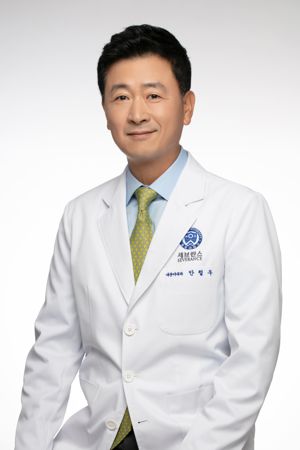
/Ahn Cheol-woo, professor of endocrinology at Gangnam Severance Hospital
[email protected] Jeong Myeong-jin, medical correspondent Reporter