H. pylori Eradication: Women at a Disadvantage, with Higher Antibiotic Resistance and Side Effects to Blame [Health Check]
- Input
- 2026-10-23 09:49:02
- Updated
- 2026-10-23 09:49:02
[Financial News] An analysis has found that women who are more frequently exposed to antibiotics to treat gynecological conditions or urinary tract infections may be at a disadvantage when receiving H. pylori eradication therapy.
A research team led by Professors Kim Na-young and Choi Yong-hoon of the Department of Gastroenterology at Seoul National University Bundang Hospital analyzed more than 20 years of patient data. The results showed that women had a lower H. pylori (Helicobacter pylori) eradication success rate than men, and higher resistance rates to major antibiotics.
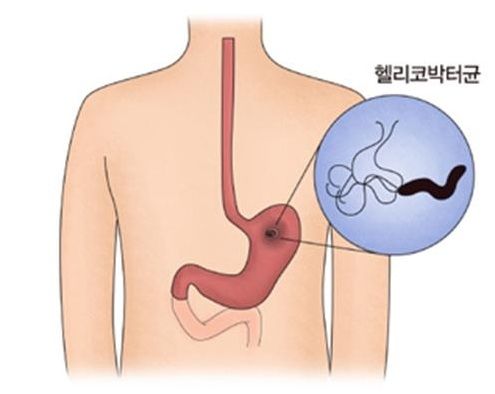
H. pylori is a bacterium that lives in the stomach lining and is a major cause of chronic gastritis, gastric and duodenal ulcers, and stomach cancer. People infected with the bacterium undergo eradication therapy, taking antibiotics together with acid-suppressing medication. Successful eradication can greatly reduce the risk of stomach cancer. However, success rates have fallen short of expectations as antibiotic-resistant bacteria become more common and outcomes vary depending on side effects and medication adherence. There have been suggestions that treatment outcomes and antibiotic resistance may differ between men and women, but findings have varied across studies, and few studies have systematically analyzed sex differences in resistance.
The research team first analyzed 4,748 patients who received eradication therapy at Seoul National University Bundang Hospital between 2003 and 2024. Among all patients who began treatment, the eradication success rate was significantly lower for women, at 65.1%, than for men (71.1%). However, among patients who completed treatment, there was no notable difference: 87.0% for women and 85.7% for men.
The research team identified side effects as one possible reason. During treatment, 60.2% of women reported side effects, markedly higher than the rate among men (37.9%). The proportion who dropped out without undergoing a follow-up test after treatment was also higher among women (21.7%) than men (17.1%). The analysis suggested that the overall success rate may have been lower because women more often stopped treatment due to side effects.
The team then collected bacteria from the stomach tissue of 890 infected patients between 2003 and 2025 and compared resistance to the six antibiotics used in eradication therapy. Women had significantly higher resistance rates to four of them: clarithromycin (50.0% for women, 35.9% for men), metronidazole (45.3%, 38.4%), levofloxacin (45.8%, 33.7%), and moxifloxacin (45.5%, 34.1%). There was no difference for amoxicillin or tetracycline. Notably, women remained at higher risk of resistance to clarithromycin, levofloxacin, and moxifloxacin even after the results were adjusted for factors including age, alcohol consumption, and body mass index.
The differences were more pronounced among patients who had experienced treatment failure. There was little difference between men and women among patients with no prior treatment, but among those with a history of treatment failure, clarithromycin resistance rates diverged to 80.9% for women and 67.2% for men. Levofloxacin resistance was also higher among women, at 61.1% compared with 48.9% among men.
Multidrug resistance, in which bacteria are resistant to several antibiotics at once, was also more common among women. Dual resistance to clarithromycin and metronidazole was found in 27.9% of women and 20.4% of men, while triple resistance that also included quinolones was found in 19.7% of women and 13.3% of men. Multidrug resistance continued to rise: the overall rate of dual resistance climbed from 9.2% in 2003–2007 to 40.0% in 2018–2025, while triple resistance rose from 1.4% to 31.7%. The rate of dual resistance among men remained around 30% from 2013 onward, whereas it rose steadily among women, reaching 50.0% in 2018–2025.
Professor Kim Na-young said, “The lower eradication success rate among women is likely due to both higher antibiotic resistance and dropouts caused by side effects. Women may have developed higher resistance because they are often exposed to antibiotics to treat gynecological or urinary tract infections, so reducing unnecessary antibiotic use is a fundamental measure.”
Professor Choi Yong-hoon emphasized, “Women who have previously experienced treatment failure are more likely to be resistant to multiple antibiotics, so it is advisable to check for resistance before the next course of treatment using resistance gene testing or a culture test. Patients should receive a thorough explanation before treatment, and their side effects should be managed to help them complete the full course.”
The study was conducted with support from the National Research Foundation of Korea (NRF) and the Korea Disease Control and Prevention Agency’s National Institute of Health. It was published online in the Korean Journal of Helicobacter and Upper Gastrointestinal Research and the international journal Gut and Liver.
[email protected] Jung Myung-jin, Medical Correspondent Reporter