Jeju open-field mandarin distribution rises 107% as wholesale prices fall 6.5%
- Input
- 2026-10-23 07:03:06
- Updated
- 2026-10-23 07:03:06
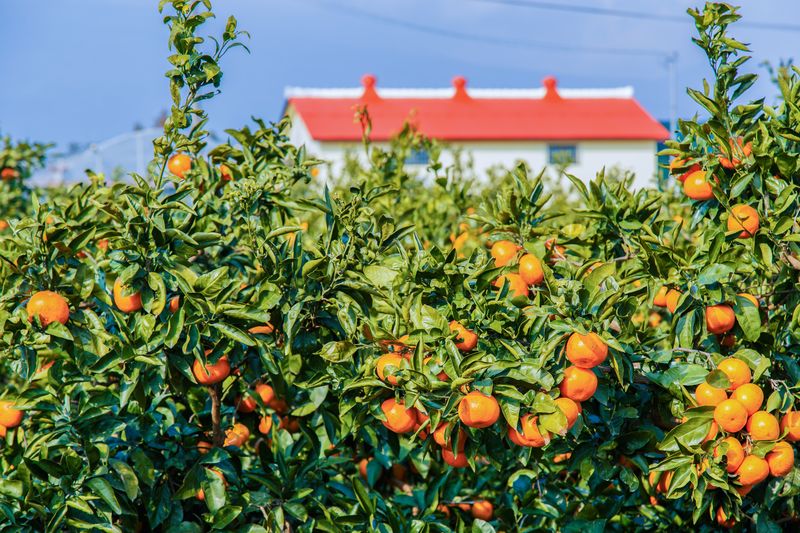
【Financial News Jeju = Jeong Yong-bok】 The cumulative volume of Jeju open-field mandarins handled through distribution during the initial shipping period rose 107% from the same period last year, while the average wholesale price fell 6.5% to 9,733 won per 5 kg.
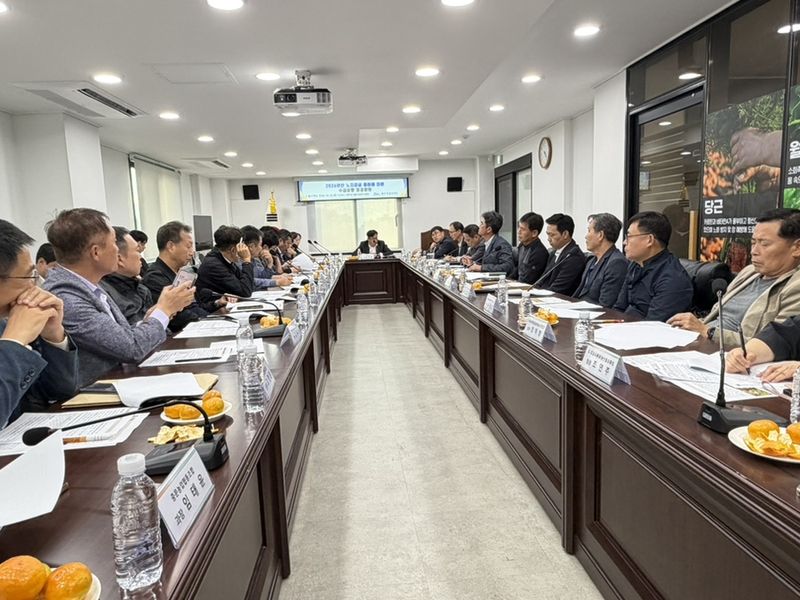
According to Jeju Special Self-Governing Province on the 23rd, a meeting on measures to stabilize supply and demand for the 2026 open-field mandarin crop was held the previous afternoon at the Jeju Agricultural Products Supply and Demand Management Center, attended by 20 officials from administrative cities, Nonghyup, producer and distribution organizations, the Jeju Autonomous Police Unit, and other groups.
The Jeju Agricultural Products Supply and Demand Management Center reported that the cumulative volume of this year’s open-field mandarin crop handled through distribution reached 18,540 tons, up 107% from the same period last year and 27% from the same period in 2024. The recent daily average shipment volume is about 1,200 tons.
By contrast, the cumulative average wholesale price during the initial shipping period was 9,733 won per 5 kg, 679 won below the 10,412 won recorded during the same period last year. Compared with 9,747 won in the same period of 2024, it was down 14 won (0.1%).
Total production is also expected to increase this year. According to the second survey of fruit-setting conditions by the Jeju Agricultural Research and Extension Services and the Citrus Outlook Survey Committee, production of open-field Satsuma mandarins is estimated at 443,300 tons, up 7.8% from last year.
The average sugar content was 8.5 Brix, 1.1 Brix higher than last year and 1.4 Brix above the average for the past five years. Jeju Province, however, cited a recent increase in shipments of very early-maturing mandarins, some quality deterioration caused by frequent rain, and sluggish consumption as factors behind the price decline.
Key issues at the meeting included blocking the distribution of substandard mandarins and adjusting the procurement timing for mandarins intended for processing. Participants said processors, including Jeju Development Corporation, should bring forward the start of procurement of very early-maturing mandarins to before mid-October.
Jeju Province will first intensively crack down on the distribution of substandard mandarins from the 23rd through November 20. Administrative cities, Nonghyup and the Jeju Autonomous Police Unit will take part in joint crackdowns at wholesale markets outside Jeju every other week. The province will also step up cross-inspections between administrative cities and monitoring of online sales.
Substandard mandarins are citrus fruit that do not meet the commercial quality standards set by Jeju Province ordinance. Improperly distributing them for sale, artificially coloring them, or violating requirements for quality inspections and shipment declarations is subject to administrative sanctions under the relevant regulations.
Jeju Province had earlier formed distribution guidance and enforcement teams comprising 150 people in 19 squads. Joint inspections at wholesale markets outside Jeju in September and October uncovered six violations involving 2,020 kg of mandarins.
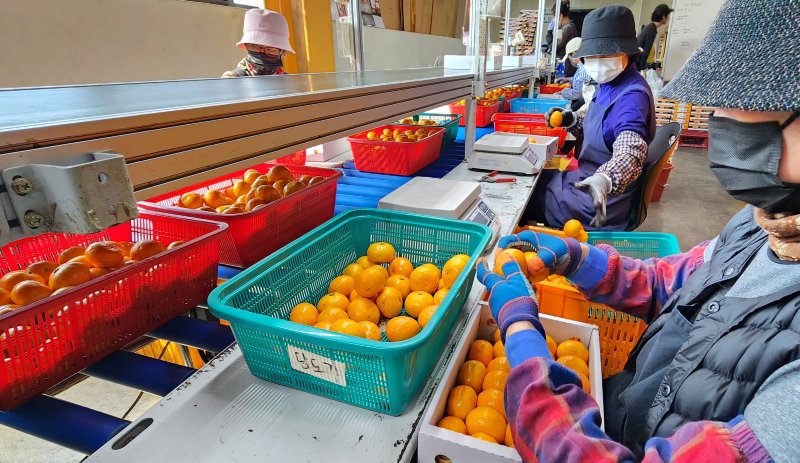
Jeju Province will also regulate shipments and promote consumption to stabilize prices. It operates a supply-and-demand management manual with three response levels—caution, alert and serious—based on the size and duration of price declines. Measures such as shipment adjustments, consumption promotion and market withdrawals are applied at each level.
Nonghyup plans to hold events to promote mandarin consumption from late October through November. Jeju Province also plans to work with producer organizations to encourage staggered shipments to different wholesale markets and quality sorting, and to expand consumer-coupon discount promotions and direct sales.
Kim Young-jun, director-general of Jeju Province’s Agriculture, Livestock and Food Bureau, said, “We will do our utmost to stabilize mandarin prices by regulating shipments of open-field mandarins and thoroughly blocking the distribution of substandard mandarins,” adding, “I ask producers and distributors to cooperate with quality management and appropriate shipments.”
[email protected] Jeong Yong-bok Reporter