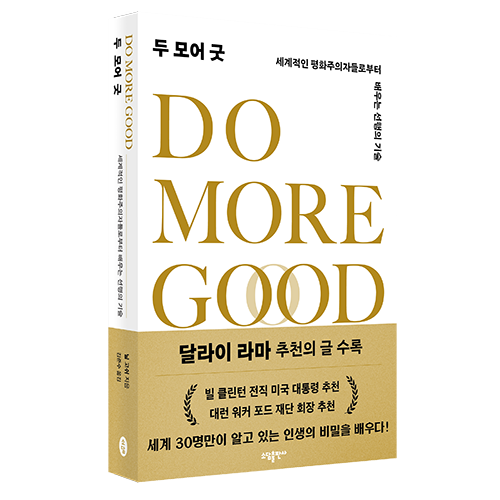
The Dalai Lama’s compassion, Malala’s courage ... the change small actions can make [fn Book Briefing]
- Input
- 2026-10-23 08:00:00
- Updated
- 2026-10-23 08:00:00
Ghosh carried the empathy he learned from his parents into community work. From the age of 15, he organized youth groups and set out to improve sanitation in Kolkata’s slums. He also posted news articles he had written himself for people to read for free, drawing attention to issues facing the community. Reflecting on his own experiences of discrimination, unemployment and business failure, he notes that relationships with others helped him get back on his feet.
From the Dalai Lama, whom he met at the “First Delhi Dialogue” in 2011, he learned a lesson about how to help. The idea is to protect the dignity and self-esteem of people in poverty and marginalized communities, and help them take part as agents who can change their own lives. He sees compassion in listening to those receiving support and building trust with them.■ Practical ways to connect reflection, conviction and actionThe book is divided into three parts: “Change the World Sitting Down (SIT),” “Change the World by Rising (RISE)” and “Change the World Through Action (ACT).” It moves from looking inward to standing up for values one believes are right and continuing to take action.
Malala’s example of speaking up for the right to education explores the courage to stand by one’s convictions. Malala advocated the right of women and children to receive an education and won the Nobel Peace Prize in 2014 at the age of 17. Ghosh recalls that after meeting her, he developed the habit of not staying silent on social issues, but writing down his thoughts and making them public.
Sustaining action is also a major theme. From Rosa Parks, he draws the power of individuals to bring about social change; from Jimmy Carter, an attitude of maintaining a sense of purpose over many years. The author acknowledges the figures’ flaws and controversial aspects, while focusing on one value that can be learned from each.
At the end of each chapter, the book lists actions readers can try, relevant organizations and reference materials. These include listening without prejudice, expressing gratitude once a day and taking the initiative to ask people in need. It also suggests ways to become someone’s mentor and share one’s resources and influence.
Ghosh writes in the book, “If you want to find meaning in life through your actions, I hope these lessons will be put into practice.”
[email protected] Jang In-seo Reporter