America Divided Over Guns and Abortion: Exploring the Roots of the Divide [fn Book Briefing]
- Input
- 2026-10-23 07:00:00
- Updated
- 2026-10-23 07:00:00
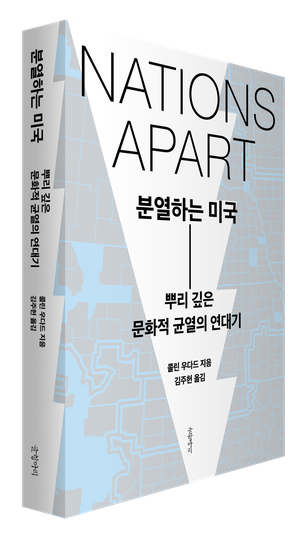
Even within a single state, cultural divisions can make negotiations and compromises over policy necessary. In the book’s classification, only 15 of the 50 states fall entirely within a single cultural region.
Individual freedom and the interests of the community are the axes along which these differences can be understood. Some places have emphasized public education and public facilities, while others have been wary of government interference and favored low taxes and a smaller public sector.
Large-scale immigration in the late 19th and early 20th centuries also left its mark. In places with high levels of immigration, the idea of accepting people of different religions and origins as Americans took hold. In the South, where there were fewer immigrants, existing hierarchies and traditions remained in place, the book explains.
The author argues that even as party platforms and support bases change over time, political and social traditions rooted in regions endure longer.■ Disparities Reflected in Life Expectancy and Gun Death RatesThe book combines historical narrative with opinion polls and health statistics. An analysis of 2010–2020 data by Nationhood Lab, which the author leads, found that the gun death rate in the Deep South was about four times that in New Netherland. The figure combines homicides and suicides.
Data from 2018–2020 showed that even among whites, life expectancy in Greater Appalachia was 4.4 years shorter than in New Netherland. The book does not explain such differences solely in terms of individuals’ health habits. It argues that regional choices about taxes, regulation and social services have affected health care and living conditions.
On abortion, the book focuses on the distribution of religious communities. Attitudes toward the issue differ by region even among people of the same religion, and the analysis finds that the share and political influence of white evangelicals help shape the direction of policy.
There is also common ground on climate action. In opinion polls from 2019–2021 analyzed by the institute, support for limiting carbon emissions exceeded opposition in every cultural region surveyed. This is a point worth considering separately from political divisions, as it suggests the possibility of consensus among residents.
Woodard sees the possibility of unity in the history of division. He proposes rebuilding shared civic values that transcend origin and ancestry, drawing on the freedom and equality enshrined in the Declaration of Independence. Translated by Kim Ju-heon. 448 pages.
[email protected] Jang In-seo Reporter