[fn People] “So Korean-language studies can thrive overseas on their own, we need to train local educators”
- Input
- 2026-10-22 18:44:38
- Updated
- 2026-10-22 18:44:38
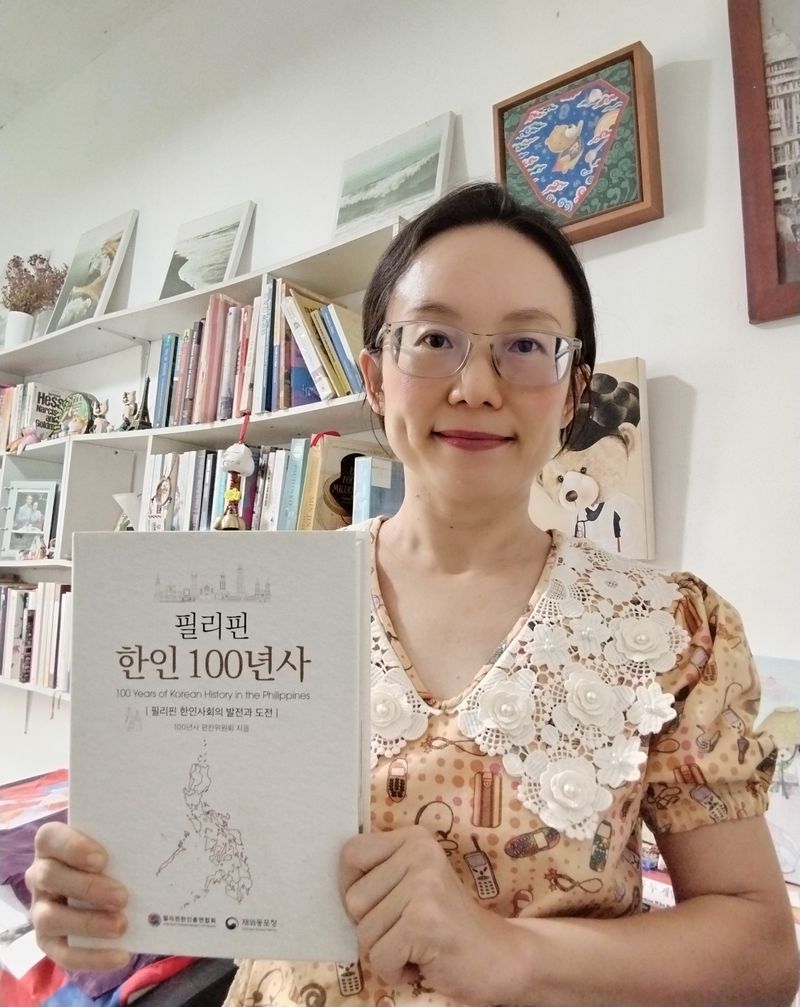
Bae Gyeong-min, director of the Institute for Korean Studies at the University of the Philippines (UP), spoke about the direction Korean-language studies and Korean studies in the Philippines should take during an interview on the UP campus in Manila on the 16th. Established in 2016, the UP Institute for Korean Studies is the only specialized Korean studies research institute at a local university, and marks its 10th anniversary this year.
Bae’s ties with the Philippines date back to 2005. Before starting graduate school, Bae took a first step as an instructor at a Korean-language institute in Manila, teaching there for a year through an instructor training program for the Employment Permit System Test of Proficiency in Korean (EPS-TOPIK). After returning to Korea, Bae completed a master’s program in Korean language education at Yonsei University and, in 2010, returned to the Department of Linguistics at UP Diliman through the Korea Foundation (KF) Visiting Professor Dispatch Program. Bae earned a doctorate in language education from UP’s Graduate School of Education. Since 2023, Bae has led the Institute for Korean Studies and worked to broaden the scope of its research.
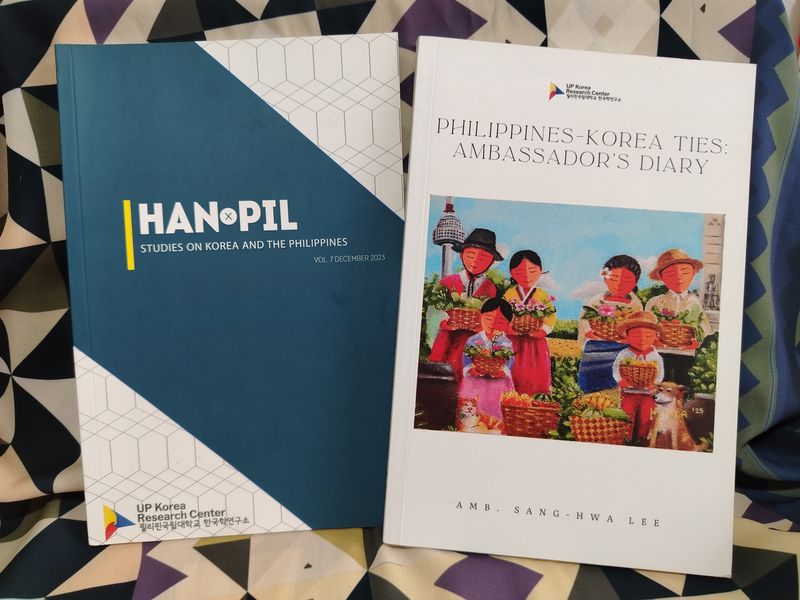
Bae stressed, “We must not stop at simply translating Korean materials,” adding, “Korean studies can be sustainable only if local researchers ask incisive questions themselves and produce work from the perspective of their own people.”
The institute is also continuing its work to document the history of the Korean community in the Philippines. Recalling the experience of contributing to A 100-Year History of Koreans in the Philippines, Bae said, “Recording the journeys of Korean migrants who have built their lives and businesses here is an invaluable scholarly asset for looking back at the past and exploring future-oriented relations between the two countries.”
Bae, who also teaches in the Korean language specialization in the Department of Linguistics at UP, noted that Korean-language education in the Philippines needs to evolve in response to local demand and conditions. Asked about the popularity of Korean, Bae said, “It is the second most popular language after Japanese, and general education classes draw crowds of around 150 students.” Bae added, “Interest sparked by the Korean Wave, including K-pop, is leading students to study abroad through programs such as GKS and explore career paths, providing valuable motivation to continue their studies.”
Bae identified training local educators as the most urgent task in broadening the base of Korean-language studies and Korean studies in the Philippines. “I don’t think being Korean alone means one should take the lead in teaching Korean language and Korean studies,” Bae said. “I hope a virtuous cycle takes root in which students advance, earn master’s and doctoral degrees, move on to other universities or institutions, and teach the next generation, so that Korean studies can become fully self-sustaining in the Philippines without help from Korean institutions.”
[email protected] Kim Joon-seok Reporter