“Even If I Really Like Them, I Can’t Stand It” ... The “One Thing” About a Blind-Date Match That 7 in 10 Women Find Shocking
- Input
- 2026-10-23 04:50:00
- Updated
- 2026-10-23 04:50:00
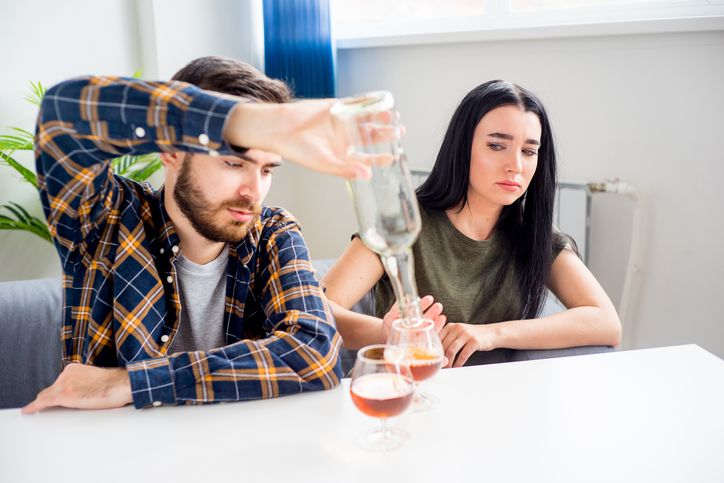
[Financial News] “Even if someone makes a great first impression, I honestly hesitate if they say they drink three or four times a week. I’ve never seen anyone who drinks often be free of problems like going unreachable or making mistakes.”
As Lee, a 29-year-old female office worker, put it, “drinking habits” are emerging as a key measure for evaluating potential partners in the dating market among people in their 20s and 30s. As the “sober curious” trend of consciously avoiding or moderating alcohol gains traction, a survey has found that even a highly attractive potential partner can become far less appealing if they drink too often.
On the 22nd, according to a survey on “Alcohol Consumption and Dating Culture” conducted by social dating app WIPPY among 1,320 users in their 20s and 30s, 71.3% of female respondents said, “Even if I like someone, I find them less appealing if they have a habit of drinking often.” Men gave the same answer at a rate of 62.4%, showing that excessive drinking habits were viewed negatively regardless of gender.
The vast majority of respondents, 91.1%, said they take a potential partner’s drinking habits into serious consideration when deciding whether to date them. In particular, the share who said they were “very important” was at least 20 percentage points higher among women (59.7%) than men (37.0%), indicating that women react much more sensitively than men to a potential partner’s drinking habits.
Underlying this decline in attraction is anxiety about the lifestyle patterns and behavior that can result from drinking occasions. The most common reason respondents gave for frequent drinking being a drawback was “they might go out drinking or socialize too often” (69.3%; multiple answers allowed). This was followed by “I’m concerned about their behavior or antics when drunk” (54.9%) and “I don’t think they’d be easy to reach” (45.8%). Rather than alcohol itself, the concern appears to be a desire to head off the strain it can bring to a relationship, such as frequent nights away from home, loss of contact, and difficulty controlling one’s emotions.
These views are also changing what first meetings look like. More than half of the women (53.5%) said they preferred not drinking at all, or having just one or two drinks, on a blind date or first date. Of the respondents who preferred a date without alcohol, 62.8% said, “I want to get to know the other person properly while sober and not under the influence.”
But drinking occasions have not disappeared entirely from the dating scene. Paradoxically, the most popular choice for a first date was “having a drink at a bar” (47.3%), while bars were also by far the most popular choice for a second stop (57.3%). This reflects a generational preference for “light drinking” to ease an awkward atmosphere rather than rejecting alcohol altogether, while drawing a firm line against binge drinking and frequent drinking occasions.
In fact, half of the respondents (50.3%) said they had cut back on how much or how often they drink compared with the past. The most common reason was “because it interferes with daily life or work the next day” (51.2%), followed by “self-care, such as exercise or dieting” (40.1%) and “improving health” (37.3%). The belief that excessive drinking and hangovers get in the way of a person’s “productive, exemplary life” has taken root.
Lee Jung-hoon, a lead on WIPPY’s marketing team, said, “The key condition in dating is no longer simply whether someone drinks, but whether their drinking frequency and the lifestyle that comes with it are compatible.” He added that this was “the result of the showy binge-drinking culture fading and a practical dating culture taking root, one that values self-care and stable relationships.”
[email protected] Moon Young-jin Reporter