Ruling and opposition parties agree to adopt Choi Gil-soo hearing report; special inspector system’s return after 10 years is imminent
- Input
- 2026-10-22 15:59:29
- Updated
- 2026-10-22 15:59:29
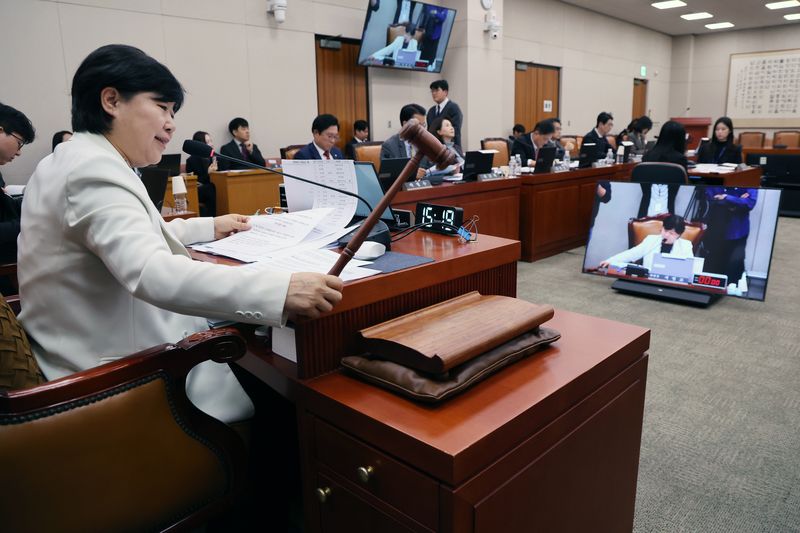
The National Assembly’s Legislation and Judiciary Committee held a plenary meeting that afternoon and approved the report on Choi’s confirmation hearing without objection. This came 34 days after the confirmation hearing was held on the 18th of last month.
The report was adopted after the ruling and opposition parties agreed to leave their opposing assessments of the nominee on the record. It included a favorable opinion finding Choi qualified, citing the nominee’s expertise in inspection work and commitment to maintaining political neutrality. It also included an unfavorable opinion that the nominee’s status as a ruling-party recommendation could limit the ability to conduct independent inspections.
Earlier, on the 19th, the ruling and opposition parties agreed to include both favorable and unfavorable opinions, resolving the issue of the report’s adoption, which had been delayed for more than a month. Although they disagreed in their assessments of the nominee, they agreed not to delay the appointment process for a special inspector any further.
If President Lee appoints Choi, the special inspector system will resume operation about 10 years and one month after the resignation of its first special inspector, Lee Seok-soo, in September 2016. The system was introduced to prevent power-related corruption among the president’s relatives and close aides, but remained effectively nonfunctional through the Moon Jae-in and Yoon Suk Yeol administrations because no successor was appointed.
The key question is the actual scope of inspections after the system’s revival. At last month’s confirmation hearing, the Democratic Party raised the need to investigate allegations of illegal solicitations and interference in personnel appointments during the Yoon Suk Yeol administration. In response, the People Power Party called for inspections of Kim Hyun-ji, head of the Blue House’s First Annex Office, and President Lee’s family.
The current Special Inspector Act defines the targets of inspections as the president’s spouse, relatives within the fourth degree of kinship, and public officials at or above the senior secretary level in the Office of the President of the Republic of Korea, among others. This leaves room for legal interpretation and political disputes over whether inspections can cover officials from the previous administration or Blue House aides below the senior secretary level.
[email protected] Jiwon Song Reporter