Looted goods openly sold online in France
- Input
- 2026-10-22 16:08:29
- Updated
- 2026-10-22 16:08:29
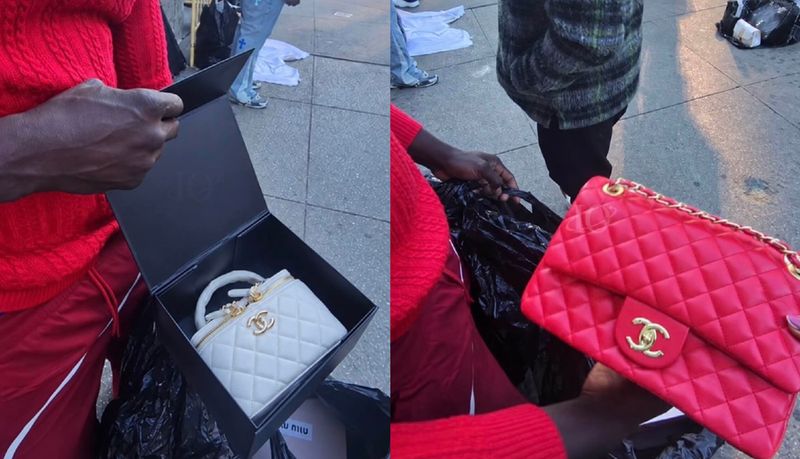
[Financial News] Nationwide protests in France, which began with demands to improve school conditions and escalated into demonstrations against rising prices, spread into large-scale unrest over the weekend. Amid the turmoil, luxury goods and everyday necessities looted from stores have flooded online secondhand marketplaces, sparking controversy.
On the 22nd (local time), The New York Times reported that immediately after the unrest in France, large numbers of items suspected of being looted—including luxury handbags, skincare products and lip gloss—were listed for sale on popular resale platforms such as Vinted. Online marketplaces are significantly stepping up monitoring in cooperation with French authorities, deleting suspicious listings and permanently suspending accounts.
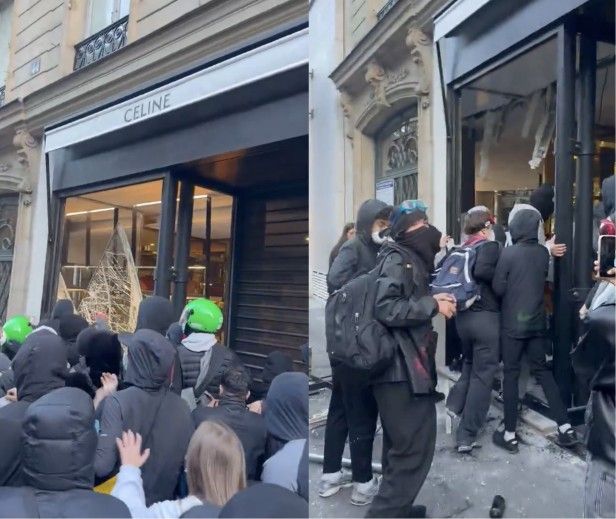
Recently, more than 3,000 stores were looted in major cities including Paris, Lyon and Marseille, with windows smashed and shops ransacked, and numerous government buildings were damaged. More than 2,500 people were arrested. Luxury stores, pharmacies and electronics shops were among the hardest hit, particularly in Paris’s Les Halles district; affected luxury brands included Louis Vuitton, Celine, Hermès and The North Face. Preliminary estimates put the damage at hundreds of millions of euros.
French President Emmanuel Macron issued a stern warning: “Those who committed looting will have to pay compensation, and we will hold accountable those who sought to bring down the Republic.” Trade Minister Serge Papin and Digital Minister Anne Le Hénanff also held an emergency meeting with an association representing online marketplaces such as eBay, Vinted and Etsy to discuss strengthening systems for monitoring and reporting stolen goods.
Experts, however, say the scale of the looting is so large that it is practically impossible to completely prevent online transactions. Charlotte de Montpellier, an economist at ING, said, “Far more people took part in the looting than the police can arrest,” and predicted that “it will be difficult for platform companies to track every transaction.”
The damage to businesses extends beyond the stolen products themselves. France’s largest food retailer, Carrefour, lowered its annual financial targets amid higher security and logistics costs, early store closures due to curfews, and a decline in visitors. Carrefour Chairman Alexandre Bompard said around 50 stores had been damaged, resulting in losses of at least tens of millions of euros.
The French government announced interest-free loans, wage support for workers affected by business closures—100% for minimum-wage workers and 60% for others—emergency grants of up to €1,500 (about 2.2 million won), and the creation of a support fund for businesses with fewer than 50 employees.
The situation on the ground was temporarily calm on the 21st, but Prime Minister Sébastien Lecornu said a large-scale security operation was being planned ahead of the weekend, when further protests are expected. Concerns are growing that if the unrest continues, it could lead to a wave of tourist cancellations and dampen new business activity, hitting the economy harder than the large-scale protests in 2018.
[email protected] Yoon Jae-joon Reporter